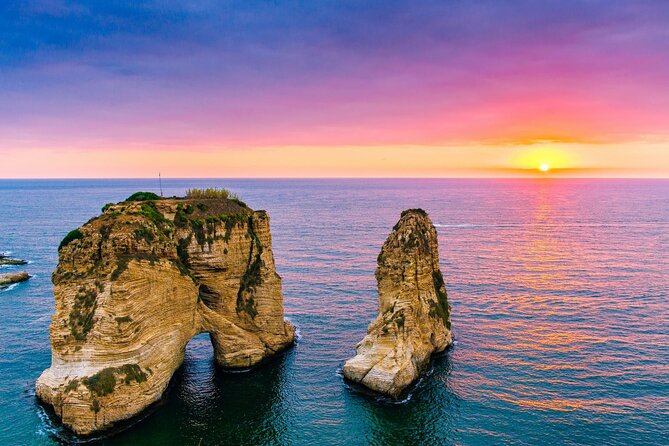
All of Lebanon leaves from Beirut.
The boat through the caves at Jeita, the six columns still standing at Baalbek, lunch above the vines in the Bekaa. Every tour here departs the capital; we reviewed the lot and ranked what a short week deserves.
The day trips Beirut sells out first.
Every review →Ranked by the travellers who went: the runs that fill their minibuses before anything else on the coast road.
 1
1
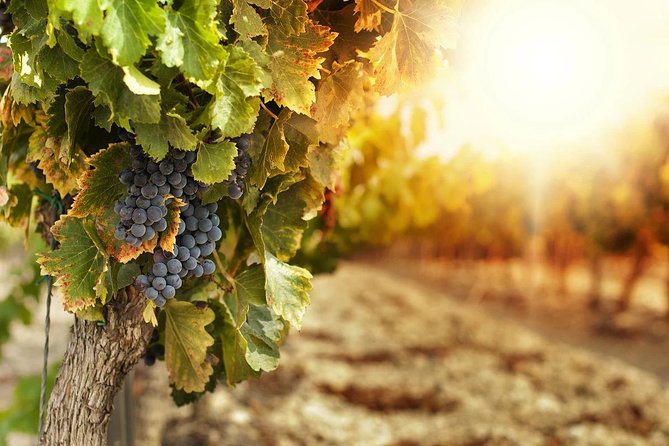
Guided Small-Group Tour to Baalbek, Anjar and Ksara with Lunch
Beirut small-group day trip to UNESCO Baalbek and Anjar, then Chateau Ksara wine tasting and a Lebanese lunch with hotel pickup.
From · $65
Read our review →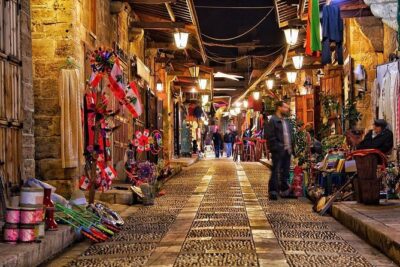 2
Guided Small-Group Tour to Jeita, Harissa, Byblos with Lunch
from $60
2
Guided Small-Group Tour to Jeita, Harissa, Byblos with Lunch
from $60
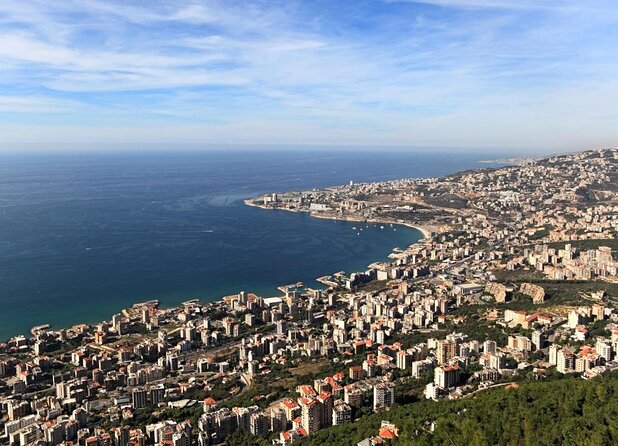 3
Paragliding Trip Over Lebanon – Jounieh Bay
from $100
3
Paragliding Trip Over Lebanon – Jounieh Bay
from $100
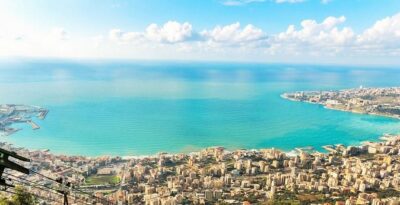 4
Jeita Grotto,Harissa&Byblos Full-Day PRIVATE-CAR Trip from Beirut
from $75
4
Jeita Grotto,Harissa&Byblos Full-Day PRIVATE-CAR Trip from Beirut
from $75
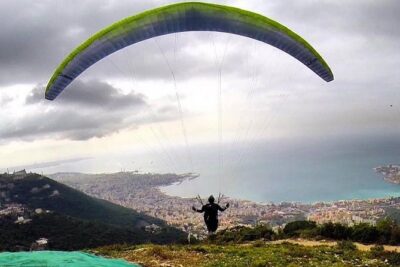 5
First Paragliding Club in Lebanon – Since 1992
from $90
5
First Paragliding Club in Lebanon – Since 1992
from $90
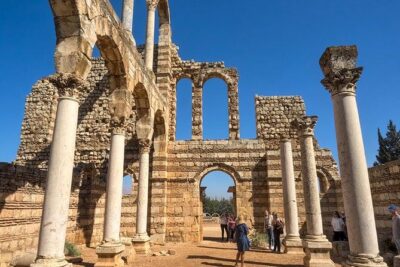 6
Anjar, Baalbek & Ksara Day Trip – With Lunch (4G on Board)
from $95
6
Anjar, Baalbek & Ksara Day Trip – With Lunch (4G on Board)
from $95
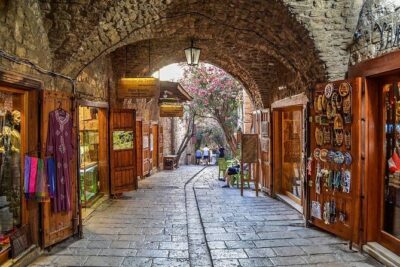 7
Jeita Grotto – Harissa – Byblos Trip
from $37
7
Jeita Grotto – Harissa – Byblos Trip
from $37
 8
Byblos, Jeita Grotto & Harissa Day Trip -With Lunch (4G on Board)
from $98
8
Byblos, Jeita Grotto & Harissa Day Trip -With Lunch (4G on Board)
from $98
North to Jeita first, or east to Baalbek?
Nearly every itinerary opens with one of three roads out of the capital. Each is a full day, each comes back for dinner; the order is yours to argue about.
Jeita, Harissa & Byblos in one loop
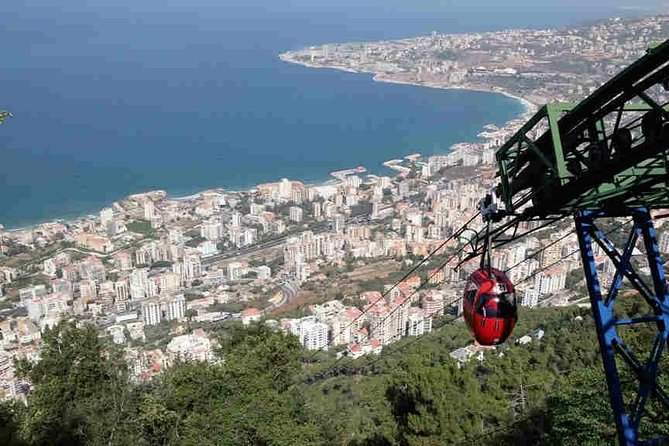
The caves first while the queue is short, the cable car above Jounieh bay before lunch, then the old harbour at Byblos until the light goes.
Compare the north days →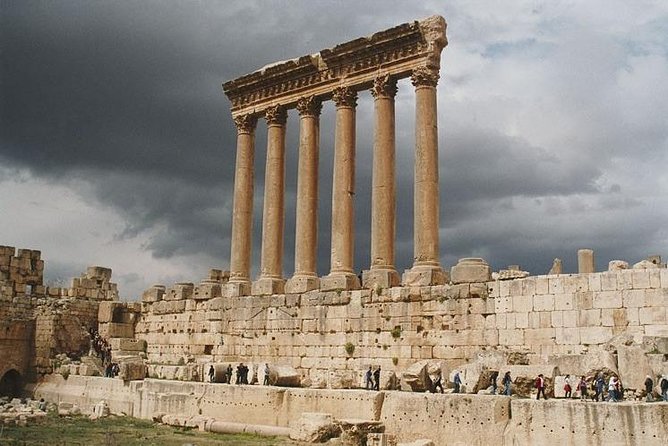
Baalbek, Anjar & a Bekaa cellar
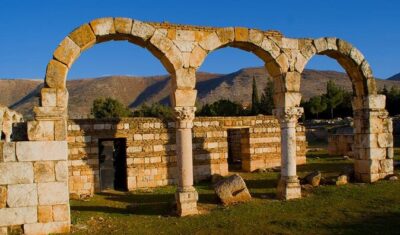
Across the range into the Bekaa: the temples at Baalbek, the Umayyad arcades at Anjar, and a tasting in the caves at Ksara on the way home.
Compare the east days →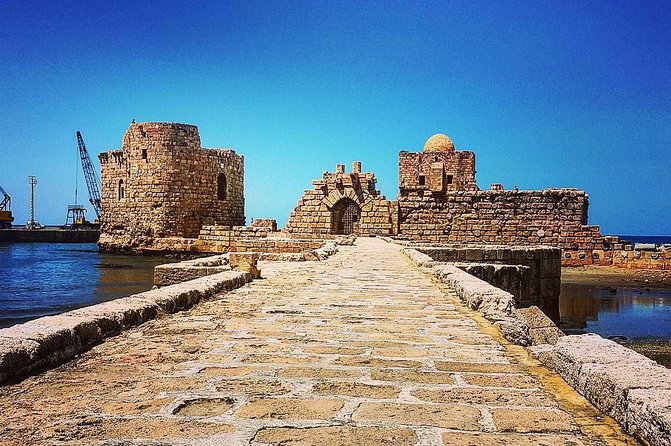
Sidon, Tyre & Maghdouche
The Crusader sea castle on its causeway at Sidon, the Roman arch and hippodrome at Tyre, and the shrine terrace at Maghdouche between them.
Compare the south days →Six roads out of Beirut, six different Lebanons.
Caves, Roman stone, a harbour older than the alphabet you are reading, cedar shade, barrel cellars and the southern ports. Pick the day, then pick the best-reviewed way to do it.
Jeita, Harissa, Byblos: the loop Lebanon is judged by.
Three stops, one coast road, home by dinner. It is the most-booked day in the country and the reviews agree on why: the caves do the talking, the cable car does the views, Byblos does the evening.
- 1Guided Small-Group Tour to Jeita, Harissa, Byblos with Lunchfrom $60
- 2Jeita Grotto,Harissa&Byblos Full-Day PRIVATE-CAR Trip from Beirutfrom $75
- 3Jeita Grotto – Harissa – Byblos Tripfrom $37
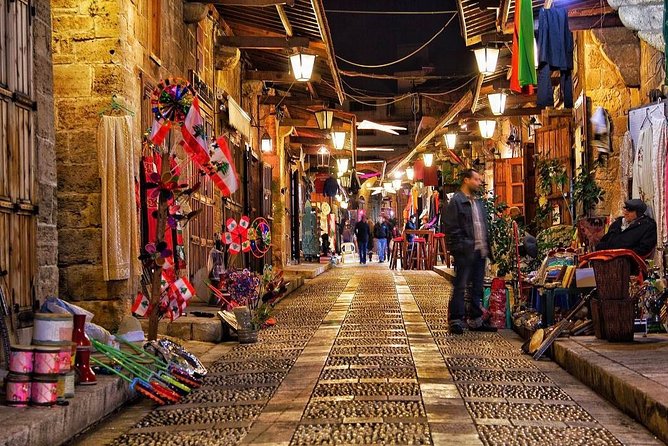
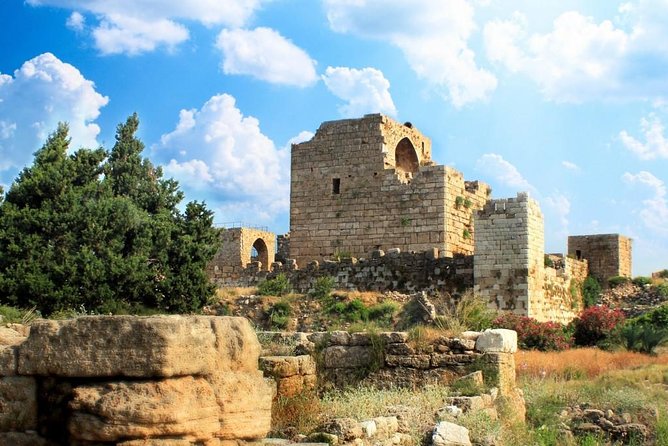
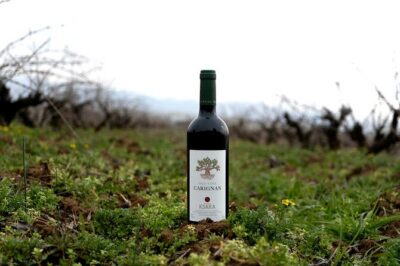
Ksara’s cellars were cut by the Romans. The wine is younger.
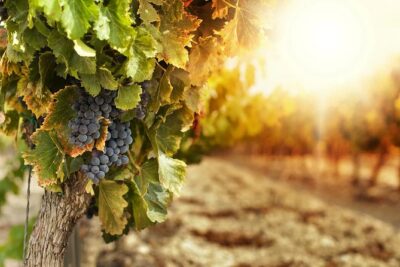
Two kilometres of cool stone tunnels under the Bekaa plain, stacked with barrels since 1857. Most east-road days end here for a tasting; the dedicated wine runs go deeper.
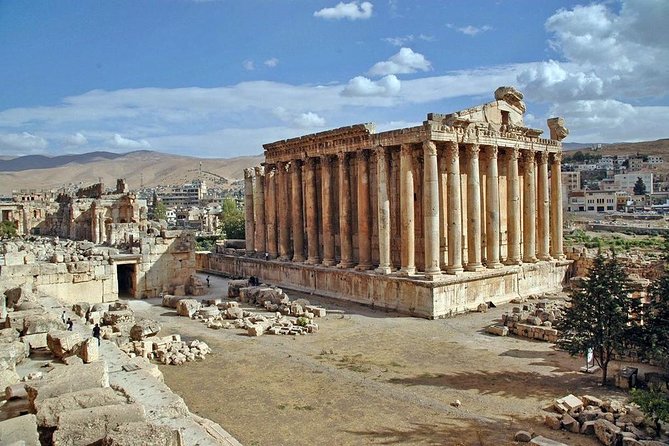
Six columns at Baalbek have outstood every empire since Rome.
The temple complex in the Bekaa is the heavyweight of the Levant: the Temple of Bacchus nearly intact, the Temple of Jupiter reduced to six columns twenty metres tall. Tours pair it with Anjar’s Umayyad city and a cellar stop, which is exactly the right amount of day.
- 1Guided Small-Group Tour to Baalbek, Anjar and Ksara with Lunchfrom $65
- 2Anjar, Baalbek & Ksara Day Trip – With Lunch (4G on Board)from $95
- 3Anjar – Ksara Trip From Beirutfrom $34
What a day out of Beirut costs.
Every reviewed tour, sorted by the price on the ticket. The famous days here are cheaper than most capitals’ museum queues.
Shared minibus runs to Jeita, Baalbek and the south: the whole classic circuit at group rates.
Small-group days with lunch on the table and entries handled, which is how most travellers do Lebanon.
Private cars, private guides and the days that bend to your own schedule.
Three stops no other country can copy.
Souks and ruins exist all over the Levant. A cave lake you cross by boat, trees older than most nations and a shrine you reach by cable car do not.
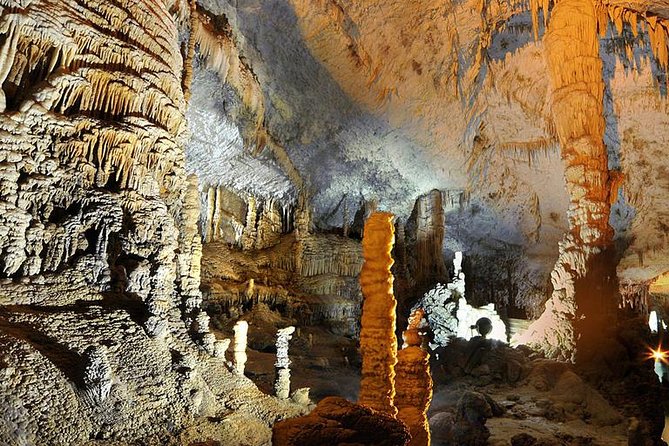
The Jeita Grotto
The upper gallery is a walkway through stone curtains the height of buildings; the lower one is a river you cross by boat, in silence, under a ceiling the lights barely reach. Cameras wait at the door, which is half the reason it stays with people. Note the calendar: the grotto rests on Mondays.
- 1Guided Small-Group Tour to Jeita, Harissa, Byblos with Lunch★★★★★★★★★★ 5.0 · 361 reviews
- 2Jeita Grotto,Harissa&Byblos Full-Day PRIVATE-CAR Trip from Beirut★★★★★★★★★★ 5.0 · 222 reviews
- 3Jeita Grotto – Harissa – Byblos Trip★★★★★★★★★★ 5.0 · 169 reviews
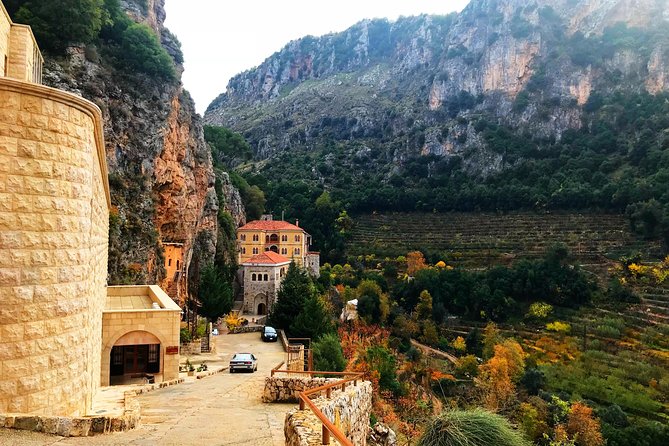
The Cedars of God
The cedar on the flag grows for real above Bsharri, in a grove where some trees have stood for over a thousand years. The same day drops into the Qadisha gorge below, where monasteries are built straight into the cliff face and the valley floor is still farmed by hand.
- 1Guided Small-Group Tour to Qadisha, Bcharee & Cedars with Lunch★★★★★★★★★★ 5.0 · 39 reviews
- 2Cedars of Lebanon, Qozhaya, & Bcharre – With Lunch (4G on Board)★★★★★★★★★★ 4.5 · 34 reviews
- 3Cedars, Bsharre & Kozhaya Day Tour★★★★★★★★★★ 5.0 · 15 reviews
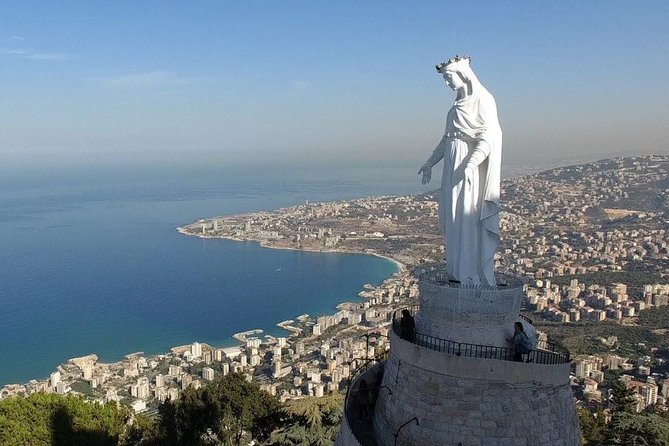
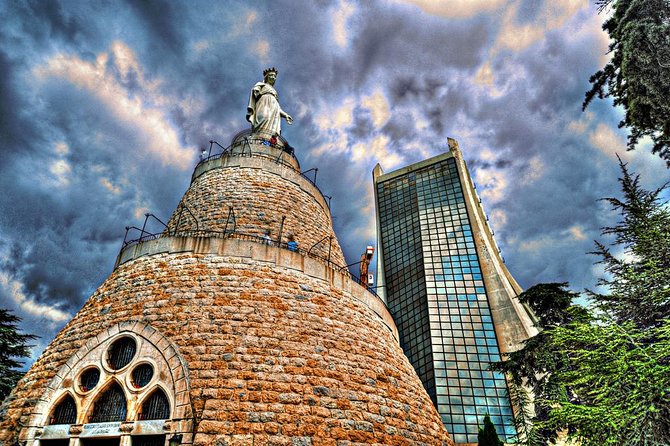
Harissa by cable car
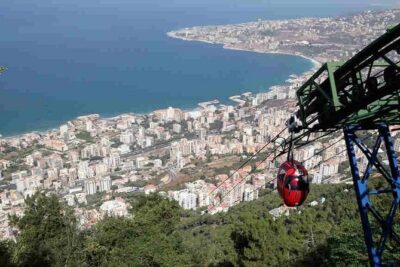
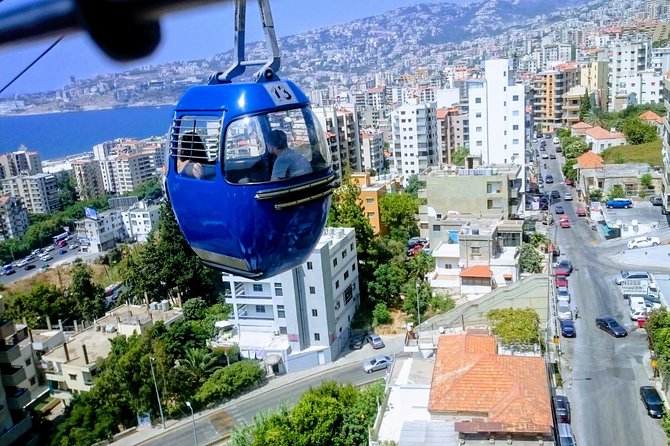
From the seafront at Jounieh a cable car climbs the ridge to Our Lady of Lebanon, the white statue that watches the whole bay. Pilgrims take the spiral ramp to her feet; everyone else takes the view, which runs from Beirut to Byblos on a clear afternoon.
- 1Guided Small-Group Tour to Jeita, Harissa, Byblos with Lunch★★★★★★★★★★ 5.0 · 361 reviews
- 2Jeita Grotto,Harissa&Byblos Full-Day PRIVATE-CAR Trip from Beirut★★★★★★★★★★ 5.0 · 222 reviews
- 3Jeita Grotto – Harissa – Byblos Trip★★★★★★★★★★ 5.0 · 169 reviews
Mondays, midsummer heat and the mountain pass.
Jeita closes on Mondays, so anchor the north loop to any other day. In July and August the coast is at its stickiest after noon: mornings for the ruins, afternoons for cellars, souks and long lunches. And the Bekaa sits across a mountain pass, which is why the east road is a full day and never half of one.
By road — every spoke out of the capital
 All Beirut departures147 tours
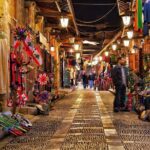 Jeita & the north27 tours
- Byblos29 tours
- Baalbek & the Bekaa28 tours
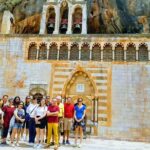 The Cedars & Qadisha17 tours
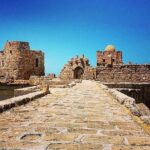 Sidon & Tyre15 tours
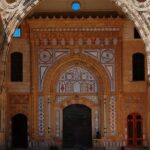 Beiteddine & the Chouf9 tours
- All 149 reviews →
By kind of day — what are you in the mood for?
Four days, six spokes: a first Lebanon, reviewed end to end.
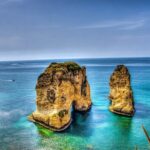 Beirut
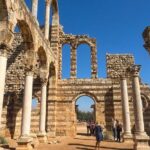 Baalbek & Anjar
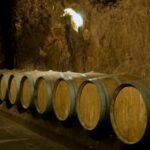 Ksara
Ksara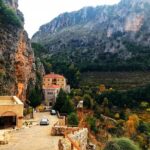 The Cedars
The newest Lebanon tour reviews.
All recent →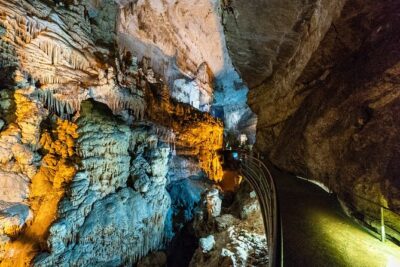
Small Group Tours to Jeita Grotto and Byblos with tickets
Read our review →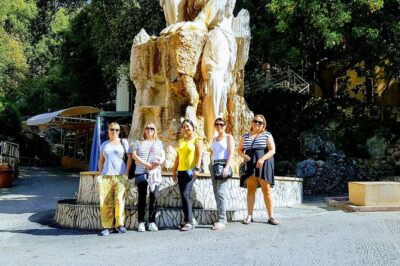
Small-Group Tour with Lunch to Jeita Grotto, Byblos and Harissa
Read our review →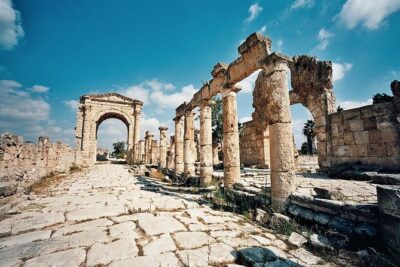
Small-Group Tour to Sidon, Tyre and Maghdouche with Lunch and Tickets
Read our review →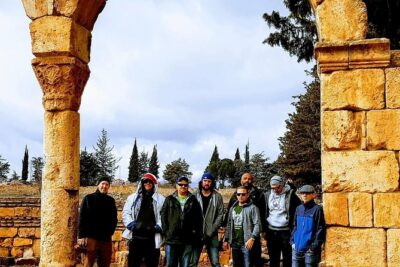
Small-Group Tour with Lunch to Baalbek, Anjar and Ksara
Read our review →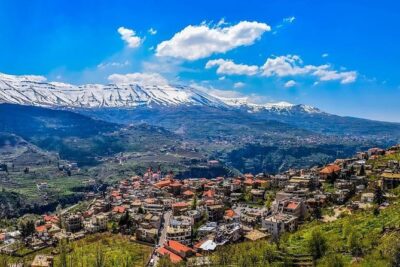
Beirut to Qadisha Valley, Bcharri & Cedar: Daily Tours with Lunch
Read our review →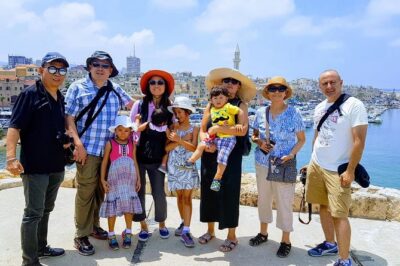
Beirut to Sidon, Tyre and Maghdouché: Daily Tours with Lunch
Read our review →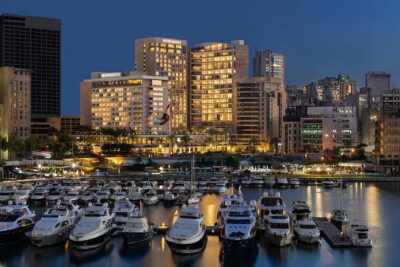
Exploring Beirut’s Past: A Private Guided Historical Tour
Read our review →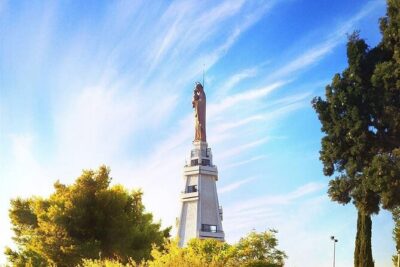
Private Tour: Tyre, Sidon and Maghdouche Day Trip from Beirut
Read our review →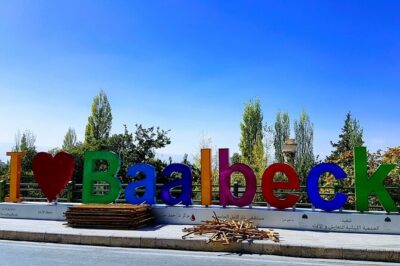
Journey Through Time: Half-Day Private Tour to Baalbek
Read our review →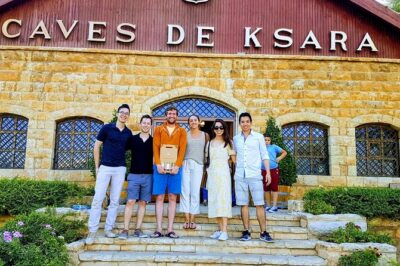
Private Trip to Beiteddine, Deir el Qamar & Maaser el Chouf Cedars
Read our review →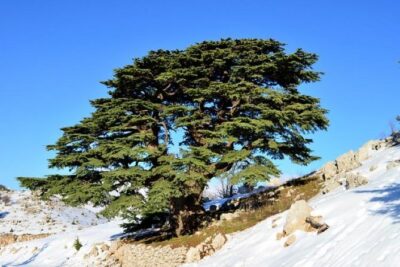
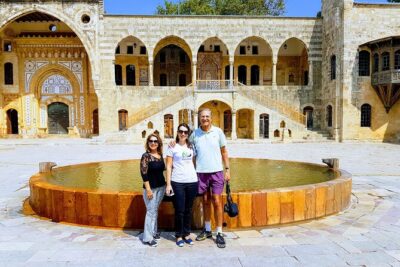
Chouf Charm: Private Journey Through Lebanon’s Historic Heartland
Read our review →
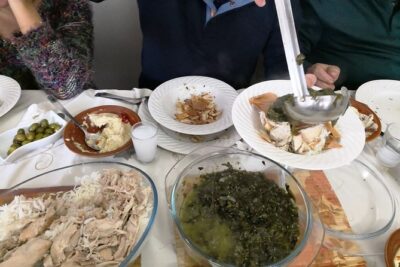
Traveling Spoon Lebanese Mezze Private Online Cooking Class
Read our review →