
Reviewed · BEITEDDINE & CHOUF TOURS
Chouf Charm: Private Journey Through Lebanon’s Historic Heartland
Chouf Charm is interesting because it turns a long day in Lebanon into a simple, guided circuit through the country’s historic heartland and famous cedars. It’s basically the comfortable option for seeing big sights without wrestling with directions, buses, or timing.
I especially like the mix of built heritage and living nature. Deir el Qamar gives you that old-stone-village feel right away, and Beiteddine Palace is a real “how did this place survive all that?” kind of stop. The Ottoman, French Mandate, and civil-war scars make the architecture easier to read.
One consideration: it’s transport-forward and timing-focused, so you won’t get a slow, wandering half-day in each site. Also, admission tickets at the palace and the reserve are not included, and lunch isn’t part of the plan.
Key things to know before you go
- Door-to-door pickup and drop-off in an air-conditioned private vehicle, with a chauffeur doing the driving
- Deir el Qamar sights are mostly free, including key religious landmarks and the municipality area
- Beiteddine Palace is timed and structured, with about 1 hour 30 minutes there, but the entry ticket is extra
- Al-Shouf Cedar Nature Reserve is UNESCO-listed, and you’ll get around 1 hour in the reserve area
- A tour leader adds context, and the service style is set up to handle your preferences
- Admission costs are uneven, so check fees ahead to avoid surprise budgeting
Why the Chouf region feels like a different Lebanon
The Chouf region is one of those places where you can feel time layers at work. In a single day you move from steep-sided village history to palace grandeur to the kind of slow, tall-tree calm people travel for. It’s not just “pretty scenery,” it’s a route through Lebanon’s cultural shifts.
What makes this itinerary click is that it’s intentionally compact. You start in Deir el Qamar, then head to Beiteddine Palace, then transition into the Al-Shouf Cedar Nature Reserve. That order matters because it keeps the day moving from stone streets and sacred sites into the natural world, without bouncing back and forth across the region.
Because this is private transport, the experience also tends to feel less stressful. You’re not coordinating your own rides or trying to build a mini road trip with limited daylight. Your chauffeur handles the driving, and the tour leader helps you connect the dots between what you’re seeing and what shaped it.
Other days out of Beirut to consider
- PRIVATE Beirut Historical Walking Half Day Tour
★ 5.0 · 27 reviews - Historical Beirut Tour (AM) Half Day – (4G on Board)
★ 4.0 · 16 reviews - Temple of Eshmun – Mleeta Landmark – Beaufort Castle
★ 5.0 · 9 reviews
9:00 AM door-to-door setup from Beirut, and what transport-only really means
This is an 8-hour, approximately timed tour that starts at 9:00 am. The key value is the hotel pickup and drop-off, which removes the biggest hassle for day trips out of Beirut: getting everyone to the right starting point at the right time.
You’ll ride in a comfortable private, air-conditioned vehicle, and you’ll have a tour leader along for context. The word transport-only can sound like you’re just being driven around, but in practice it’s more like: the driving is handled for you, and your stops are built in with specific time blocks. It’s a good format if you want a coherent route without turning the day into a logistics project.
There’s also a practical bonus: the tour offers a mobile ticket and group discounts. If you’re traveling with friends or family, this setup makes it easier to lock in plans without complicated paperwork.
Beiteddine Palace: architecture with a resume of rulers and institutions
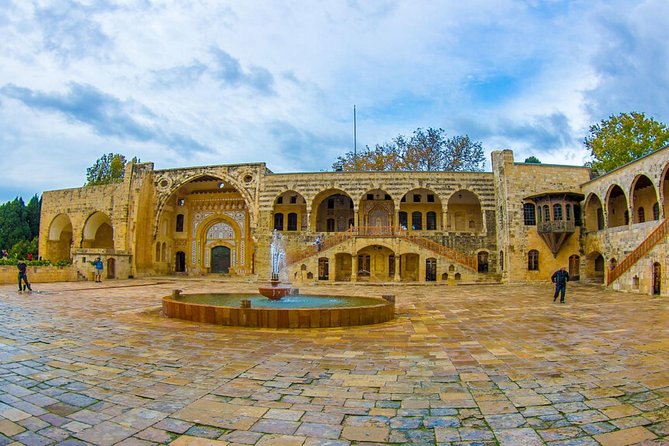
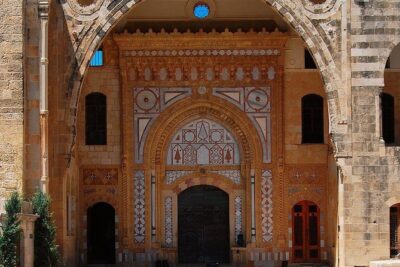
Beiteddine Palace is the day’s big architectural headline. Built between 1788 and 1818 by Emir Bashir Chehab II, it reflects the ambition of a Mount Lebanon leadership style that wanted to show power through design. If you like reading buildings like documents, this stop delivers.
The palace also has a long list of second lives. After 1840, the Ottomans used it as a government building. During the French Mandate, it served as a local administrative office. In 1943, it was declared the president’s official summer residence. During the Lebanese Civil War, it was heavily damaged, and today parts of the complex are open to the public while other sections remain tied to the president’s use.
For your visit, plan on about 1 hour 30 minutes at the palace. The admission ticket is not included, so budget for that if you want to enter. The palace also hosts the annual Beiteddine Festival and has a museum element, so even if you’re not there for a performance, you’re seeing a place that still functions as more than a static monument.
A simple tip: when you’re inside, don’t just take photos. Look for signs of repair and reuse. The history here is not hidden, it’s built into the structure.
Deir el Qamar: narrow lanes, mixed-faith history, and the meaning of the moon
Deir el Qamar (also spelled Deir al-Qamar) is where the day starts feeling intimate. The village sits a short distance from Beiteddine, in the Chouf District, and the name literally points to a poetic idea: Monastery of the Moon.
This is also one of those places where you can see how communities lived side by side. Historically, people from all religious backgrounds lived here, including a mosque, synagogue, and Christian churches. That matters, because it turns the stop from a few sights into a story about how everyday life was organized.
There’s a civic milestone too. Deir el Qamar was the first village in Lebanon to have a municipality in 1864, and it’s described as the birthplace of well-known artists, writers, and politicians. Even if you only have 30 minutes in the municipality area, that detail gives you context for why the town matters beyond tourism.
And then there’s the hard chapter. In 1860, the village was destroyed in the civil war between Druze and Christians, and it was set ablaze. Napoleon III sent a French contingent to rebuild it. That rebuilding story helps explain why some areas feel layered rather than ancient only in a single moment.
This stop is timed at about 30 minutes, and it’s free to visit the municipality area. In practical terms, wear comfortable walking shoes. The lanes can be tight, and you’ll appreciate not rushing your steps.
A different spoke from Beirut:
- Guided Small-Group Tour to Baalbek, Anjar and Ksara with Lunch
★ 5.0 · 511 reviews - Guided Small-Group Tour to Jeita, Harissa, Byblos with Lunch
★ 5.0 · 361 reviews - Paragliding Trip Over Lebanon – Jounieh Bay
★ 5.0 · 257 reviews - Jeita Grotto,Harissa&Byblos Full-Day PRIVATE-CAR Trip from Beirut
★ 5.0 · 222 reviews
Fakhreddine Mosque and Saydet el Talle Church in one short push
After Deir el Qamar’s broad story, the itinerary pinpoints two religious landmarks that help you read the village’s history in concrete form.
Fakhreddine Mosque
The Fakhreddine Mosque is known for an octagonal minaret and dates back to 1493. It was restored in the 16th century by Fakhreddine 1st, and it is described as the oldest mosque in Mount Lebanon. Even if you only get about 15 minutes here, you can still clock why this is a landmark. The age and the minaret shape make it an anchor point for the village skyline.
Entry is free. The mosque is also the kind of stop where quiet observation works better than speed. If you’re visiting respectfully, you’ll get more out of it than a quick photo-and-go.
Saydet el Talle Church (Our Lady of the Hill)
Saydet el Talle Church, or Our Lady of the Hill, dates to the 15th century and is described as one of the most important historical and religious sites in Deir el Qamar.
What makes it especially interesting is the site history. A monk named Nicolas Smisaati built a church on the location over the ruins of an older Phoenician temple dedicated to the goddess Astarte. That older temple was later destroyed by an earthquake in 859. There’s also a legend included around a Druze Emir in Baakline who saw a light from the hill and ordered soldiers to dig. The story continues with the idea of building a mosque if an Islamic symbol was found, but what you should take from it is the recurring theme of sacred sites changing hands and meanings over time.
You’ll have around 15 minutes here, also with free admission. Again, it’s short, so focus on atmosphere and architecture rather than trying to study every detail.
Al-Shouf Cedar Nature Reserve: see Lebanon’s cedars, not just hear about them
Then you go from stone and faith sites into the long-time star of the region: the cedars.
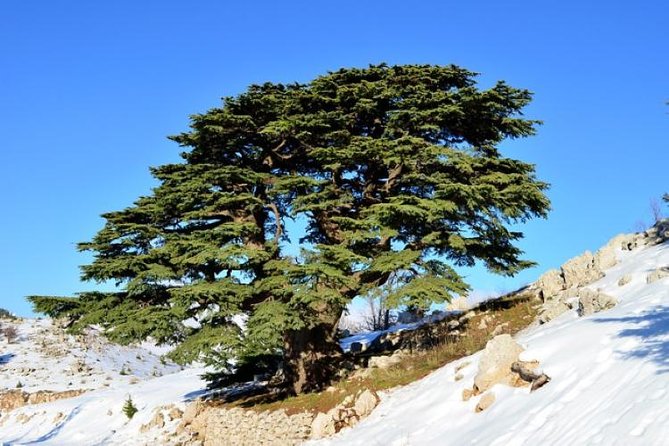
The Shouf Cedars Reserve is located on the slopes of Barouk Mountain and covers a huge area, described as 550 km². It’s part of the Al-Shouf Cedar Nature Reserve, recognized by UNESCO as a biosphere reserve in 2005. The reserve is described as home to giant cedars and as the largest nature reserve in the Middle East, with 70 percent of Lebanon’s green area mentioned in the description.
Your time here is about 1 hour, and admission is not included. That hour can’t turn you into a serious ecologist, but it is long enough to do two important things:
1) confirm what people mean by cedar-scale, and
2) reset your pace after the village and palace stops.
In a day plan like this, cedar time works best if you keep expectations realistic. Think of it as a nature visit and a photo chance, with the option to stop for quiet looks. Since the exact walking options are not detailed here, stay flexible and follow the tour leader’s lead on where to spend your hour.
Practical note: even without a hike plan, it’s still outdoors. Bring water and protect yourself from sun if the day is clear.
Time, pacing, and how the tour handles your preferences
This itinerary is built with small, specific time blocks:
- Beiteddine Palace: about 1 hour 30 minutes
- Deir el Qamar municipality area: about 30 minutes
- Fakhreddine Mosque: about 15 minutes
- Saydet el Talle Church: about 15 minutes
- Shouf Cedars Reserve: about 1 hour
Add in the driving time and you’re in the right zone for the approximately 8-hour day. The pacing is not leisurely in the way of a multi-day stay. It’s more like a well-timed sampler that still gives you enough time to feel each stop.
One of the most praised parts of this experience is the helpful, punctual guide who gives you a good idea of Lebanese history and is willing to accept wishes. Translation: if you care more about the palace details or want a slightly different order within the day, your guide is set up to respond instead of acting like a strict robot.
Also, keep lunch in mind. Lunch is not included, so you’ll need to handle your own meal. If you’re the type who gets grumpy when you’re hungry, plan for that. Even a snack break can make the whole day feel smoother.
Price and value: is $75 per person a smart deal?
At $75.00 per person for an approximately 8-hour private tour, the value depends on how you travel.
If you’re trying to piece together public transport, deal with transfers, and still keep a coherent route, this price can feel like buying convenience. You get:
- hotel pickup and drop-off
- a tour leader
- comfortable private transportation
- an air-conditioned vehicle
That’s a lot of “day-trip friction” removed in one go.
Now the trade-off: some entries cost extra. The palace admission is not included, and cedar reserve admission is not included. Meanwhile, the municipality area, the Fakhreddine Mosque, and the Saydet el Talle Church are described as free admission. So your total spending day might feel uneven, but it’s not totally ticket-heavy.
If you’re traveling as a pair or small group, the private format usually becomes even more attractive because you’re not splitting the cost across multiple unrelated people. And with mobile ticket and group discounts available, it’s easier to manage the day as a real plan rather than a last-minute scramble.
Who should book Chouf Charm, and who might skip it
This tour is a good fit if you want:
- a private driver and door-to-door pickup from Beirut
- a history-and-architecture day without needing to manage transport
- a short, scenic nature stop at the cedar reserve
- a guide who explains what you’re looking at and stays punctual
You might want to look elsewhere if you want a long hiking experience or a slow day with long free time. The cedars stop is about 1 hour, and the religious sites are each around 15 minutes. This tour aims for efficient seeing.
If you’re traveling with kids or anyone who prefers steady pacing, this kind of structured day can work well. It’s built to be manageable, and the air-conditioned ride helps a lot in warm weather.
Should you book this private Chouf day trip?
If your ideal day is: get picked up, see Deir el Qamar’s key historic sites, spend meaningful time at Beiteddine Palace, and then end with Lebanon’s cedars in the Shouf reserve, I think this is a solid book.
I’d especially recommend it if you’re new to the area and want the day to feel organized. The best part here is not just the destinations, it’s the private logistics plus the fact that the guide is described as punctual and history-focused, with room to adjust to your wishes.
Book it if you’re comfortable handling a couple of ticket purchases and you’ll manage lunch on your own. Skip it if you already plan to self-drive, or if you want long, unscripted time in each location.
FAQ
What time does the tour start?
The tour starts at 9:00 am.
How long is the Chouf Charm tour?
It runs for approximately 8 hours.
Is this tour private or shared?
It is private, meaning only your group participates.
What’s included in the price?
The tour includes hotel pickup and drop-off, a tour leader, comfortable private transportation, and an air-conditioned vehicle.
Is lunch included?
No, lunch is not included.
Which entrance fees are included?
Beiteddine Palace admission is not included. The Shouf Cedars Reserve admission is not included. The municipality area in Deir al-Qamar, Fakhreddine Mosque, and Saydet el Talle Church are listed as free admission.
Can I cancel for a full refund?
Yes. You can cancel up to 24 hours in advance for a full refund.
Do you get a mobile ticket?
Yes, the tour includes a mobile ticket.
Newest Beirut write-ups
- Small Group Tours to Jeita Grotto and Byblos with tickets★ 5.0 · 3 reviews
- Small-Group Tour with Lunch to Jeita Grotto, Byblos and Harissa★ 4.5 · 3 reviews
- Small-Group Tour to Sidon, Tyre and Maghdouche with Lunch and Tickets★ 4.5 · 3 reviews
- Small-Group Tour with Lunch to Baalbek, Anjar and Ksara★ 5.0 · 3 reviews
- Beirut to Qadisha Valley, Bcharri & Cedar: Daily Tours with Lunch★ 4.5 · 3 reviews
- Beirut to Sidon, Tyre and Maghdouché: Daily Tours with Lunch★ 5.0 · 3 reviews
- Exploring Beirut’s Past: A Private Guided Historical Tour★ 5.0 · 3 reviews
- Private Tour: Tyre, Sidon and Maghdouche Day Trip from Beirut★ 4.5 · 3 reviews
Beiteddine & Chouf Tours, compared.
Guided small group to Cedars Reserve & Beiteddine w/lunch+entries
Read our review →
Cedars Shouf & Beiteddine w/pick-up, guide, entries+lunch
Read our review →
Beirut, Beiteddine & DeirElQamar Day Trip-With Lunch(4G on Board)
Read our review →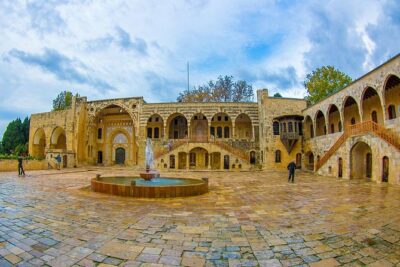
Small Group Tours to Beirut, Beiteddine & Deir el Qamar with lunch and all fees
Read our review →
Deir el Qamar – Beiteddine Palace – Chouf Cedars From Beirut
Read our review →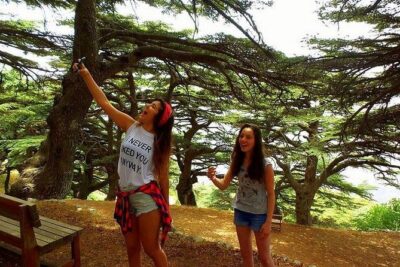
Deir Al-Qamar, Beiteddine Palace and Barouk Cedars Tour
Read our review →
PRIVATE tour to Beirut history museum, Beiteddine & Deir elQamar
Read our review →
Private Trip to Beiteddine, Deir el Qamar & Maaser el Chouf Cedars
Read our review →Browse the lists this tour appears in