
Reviewed · LUNCH EXPERIENCES
Lebanese wineries guided tour with tastings & lunch
Lebanon wine country is interesting because it is not just about bottles. It is about how people make wine in the Bekaa Valley, how they protect it in cool caves, and how they keep traditions going despite a tough region. This one day loop takes you to some of the biggest wine names in the area, with guided tours and tastings packed in. The one possible drawback is the pace: it is a full schedule, so you will not have hours to wander alone at each stop.
I especially liked two parts. First, the professional guided tours in caves and vineyards make the tasting feel earned, not random. Second, you get more than wine: expect a full lineup that can include Lebanese arak or white milk, plus the tour’s beer stop and a traditional lunch.
Key things you will enjoy most on this Lebanese winery day
- Chateau Ksara caves tour, with a guided look at how wine is stored and handled
- West Bekaa winery visits, including Chateau Kefraya plus more major estates
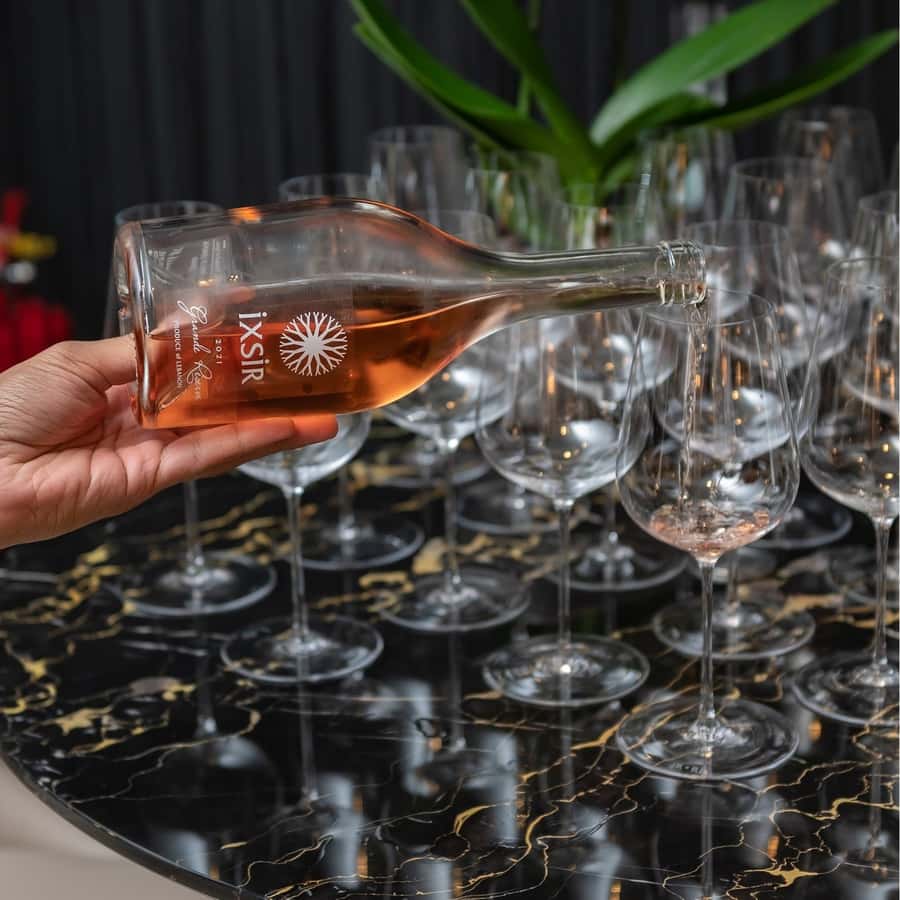
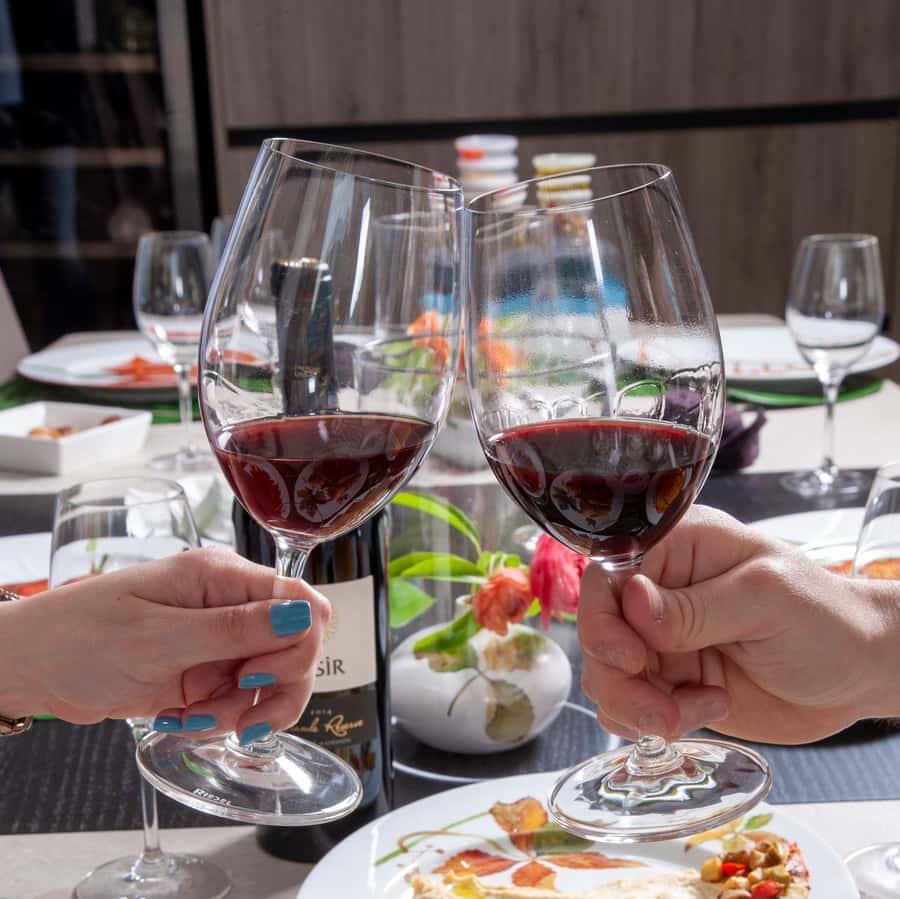
- A tasting mix of red, rosé, and white, explained in a structured way
- Craft beer included at the brewery stop, not just a quick sample
- Lebanese lunch included as part of the day’s flow
- Pickup from Beirut with an English live guide, in a private group setup
Why the Bekaa Valley wineries feel more like a story than a checklist
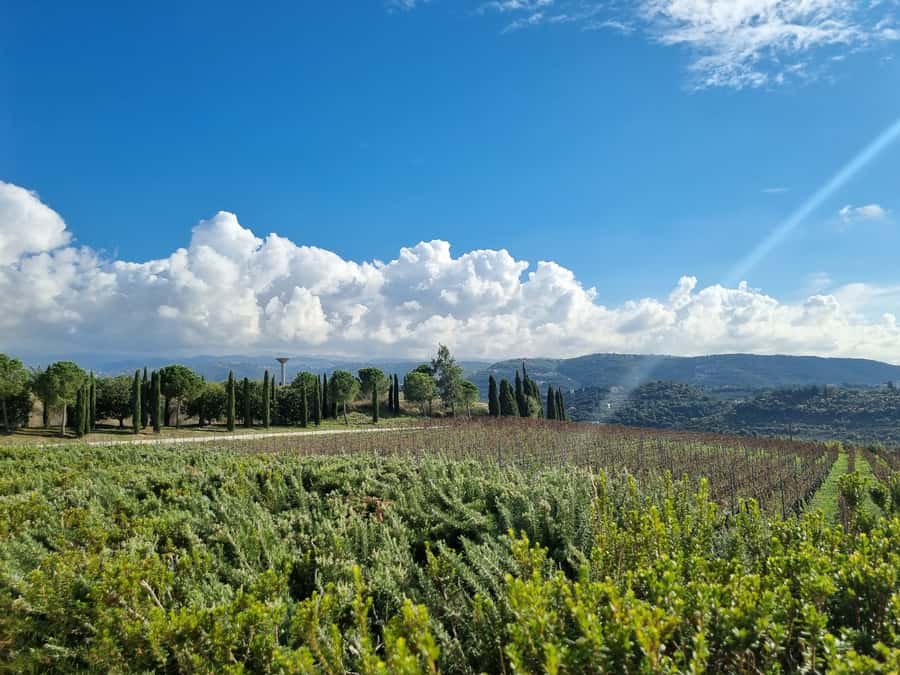
If you have only seen wine tourism marketed as photo stops and quick pours, Lebanon can surprise you. In the Bekaa, wine is tied to generations of winemakers and a landscape of caves, cellars, and vineyard rows that control temperature and timing. You are not just drinking. You are watching people explain choices, like why the grapes are harvested when they are, how storage affects flavor, and how they approach different styles.
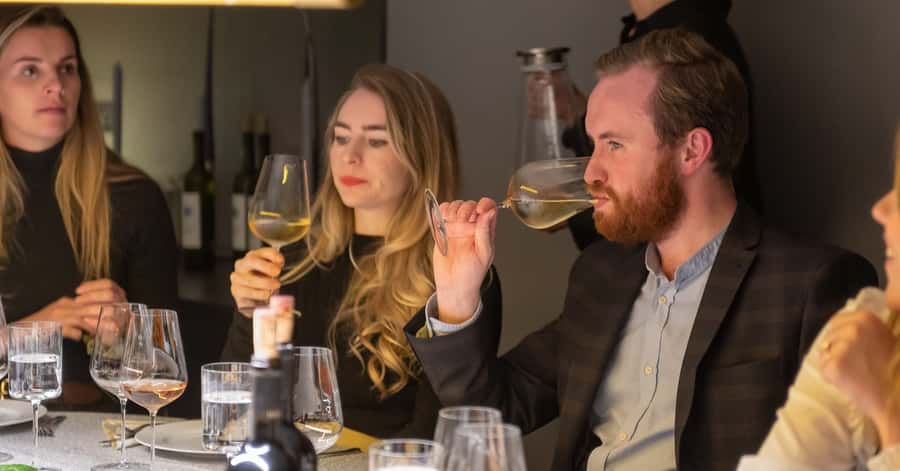
This tour is built for that. You jump between major estates in the Bekaa Valley and you get guided time inside the caves and out in the vineyards. That guidance matters because tasting is easier when you know what you are looking for: structure, acidity, and the kinds of aromas Lebanon’s producers often emphasize.
Also, the day does not ignore Lebanon’s broader drinking culture. In addition to wine tastings, you are set up for the Lebanese side too, with options like arak or white milk and a craft beer visit that is treated as its own stop, not an afterthought.
Other days out of Beirut to consider
- Guided Small-Group Tour to Baalbek, Anjar and Ksara with Lunch
★ 5.0 · 511 reviews - Guided Small-Group Tour to Jeita, Harissa, Byblos with Lunch
★ 5.0 · 361 reviews - Guided Private Full Day Tour to Baalbek, Anjar and Chateau Ksara
★ 5.0 · 60 reviews
Getting from Beirut: one day, smart routing, and a lot of driving
The tour starts with pickup in Beirut and ends back in Beirut. That is convenient if you do not want to organize your own car and driver for a Bekaa day, especially since wineries are spread out and timing matters when you are squeezing in multiple tastings.
What I like about this format is that the ride turns into part of the experience. From the way this tour runs, you should expect conversation and context from your driver and guide during the journey, not just silence while you sit in traffic. The English live guide is also on hand to keep things flowing, and you will usually get help with what to notice during tastings so you are not left guessing.
One practical consideration: you are committing to a full day with several guided segments. If you want a slower vacation rhythm, this is not the kind of tour where you can linger at the last winery for an extra hour. You can still take notes and ask questions, but you will feel the schedule.
Chateau Ksara caves: the cool start that sets your tasting mindset
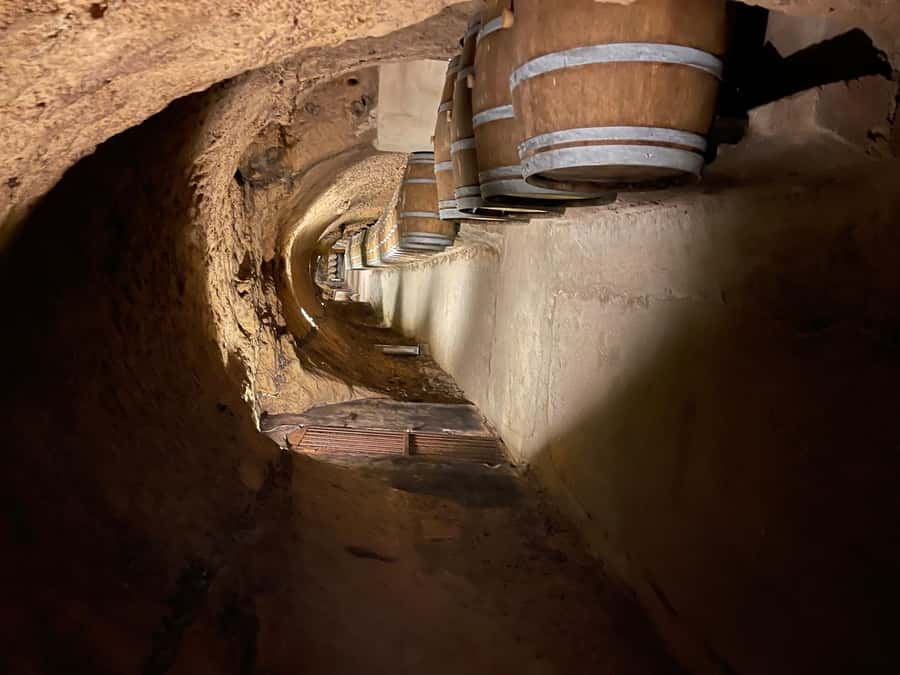
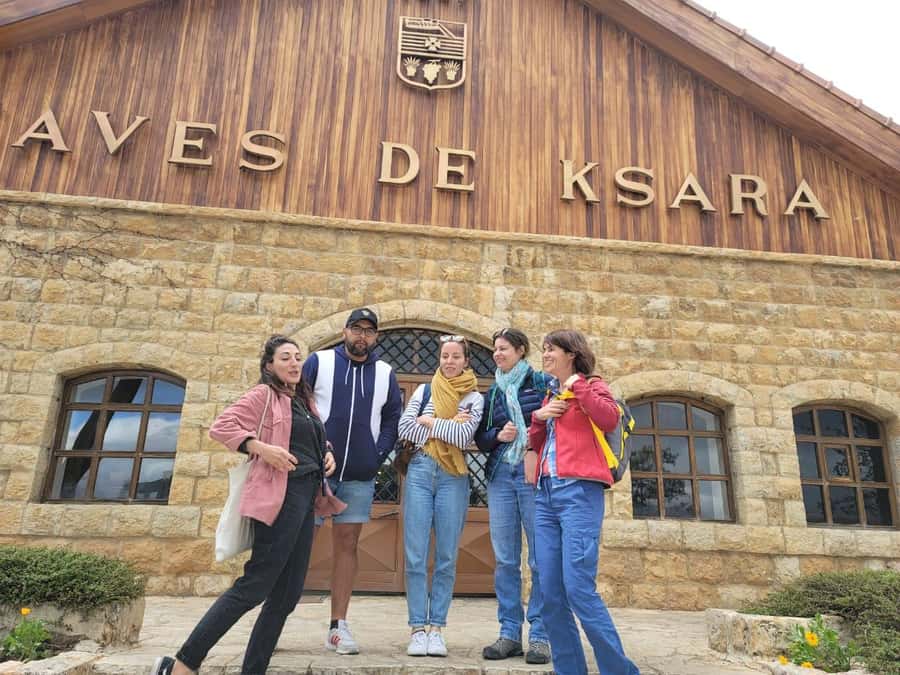
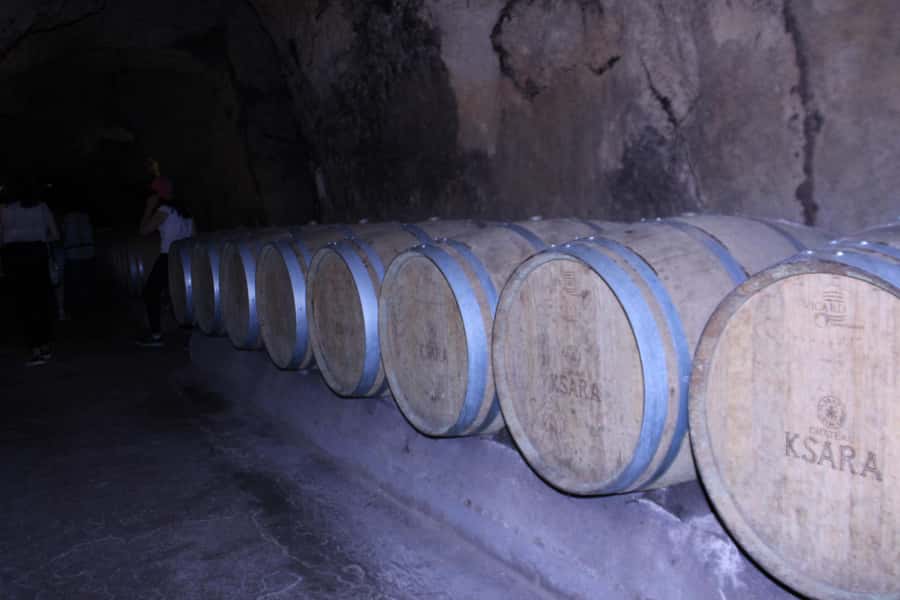
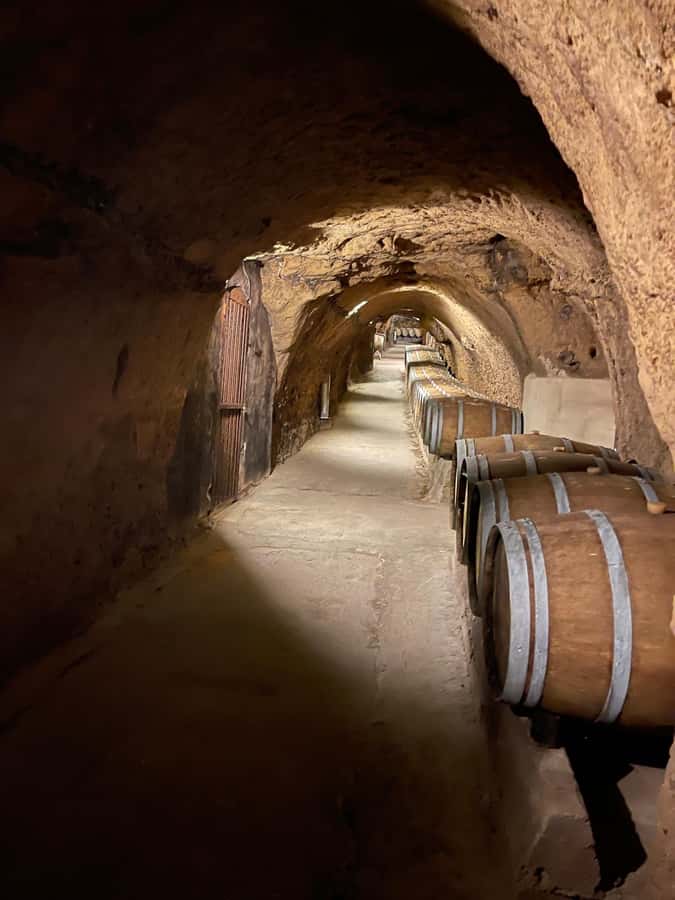
Your day kicks off in the Bekaa with a visit to Chateau Ksara Caves. Caves are not a decorative detail here. They are part of how wine is protected. When you tour caves, you understand why temperature stability matters and why winemakers think about storage as much as harvest.
Inside the caves and cellars, the guide’s job is to connect the physical space to what you will taste later. Expect explanations geared toward how storage and aging can shape flavor, and how the winery thinks about balance across different wine types.
Why this is a strong first stop: after you see cool caves firsthand, the rest of the day makes more sense. You start tasting with a mental map of how wine is handled between vineyard and bottle, and you notice differences more clearly instead of simply rating sweetness or dryness.
Chateau Kefraya: guided tasting that helps you compare styles
Next up is Chateau Kefraya winery in the West Bekaa. You get a guided tour plus a tasting session that runs about 1.5 hours. That length is helpful because it is long enough to compare wines rather than just sample and move on.
You will be tasting Lebanon’s red, rosé, and white options across the day, and Kefraya is one of the key places where you can start spotting how producers express Lebanon differently by color and grape blend choices. The guide’s explanations make comparison easier. When you know what the winery is trying to show, you taste with purpose.
A small tip that improves the experience: during a tasting, do not rush to write down everything. Focus on two things you notice in each glass, for example acidity and finish. Then, after each stop, reflect. You will remember the day better than if you try to turn it into a notebook sprint.
A different spoke from Beirut:
- Paragliding Trip Over Lebanon – Jounieh Bay
★ 5.0 · 257 reviews - Jeita Grotto,Harissa&Byblos Full-Day PRIVATE-CAR Trip from Beirut
★ 5.0 · 222 reviews - First Paragliding Club in Lebanon – Since 1992
★ 5.0 · 193 reviews - Anjar, Baalbek & Ksara Day Trip – With Lunch (4G on Board)
★ 4.5 · 181 reviews
Chateau Rayak: shorter tasting time, still worthwhile
After Kefraya, you move to Chateau Rayak for a guided tour and a tasting session of about 1 hour. That is shorter than some stops, so the key is to stay present. One of the advantages of a guided visit is that you do not waste that hour translating what you taste on your own.
Rayak gives you another point of comparison. If one winery’s reds feel more structured, the next might feel smoother or more aromatic. If one white seems crisp and citrus leaning, another might feel rounder. The best way to get value out of a shorter tasting is to listen carefully, ask one good question, and pick one favorite to anchor your memory.
If you are the type who loves big tastings, you might wish every stop had more time. Still, the one hour is usually enough to get a clear sense of what this winery is doing.
Craft beer at the brewery stop: a Lebanon twist you will not expect
One of the highlights of this tour is the brewery visit, and the tour includes admission fees to the brewery. That matters because craft beer is often treated as a side activity in wine tours, like a quick pour while everyone waits.
Here, it is part of the plan, and the vibe is built as a full stop. I like this because it expands the day beyond wine without turning it into a random detour. You get a break from tasting wine, you learn something about another local beverage culture, and it keeps the day from feeling repetitive.
If you like pairing sips with food and atmosphere, this stop is where you can reset your palate. Beer also gives your taste buds a different set of flavors and textures before you move on to the next round of wine.
Château St Thomas: finishing with another guided tasting
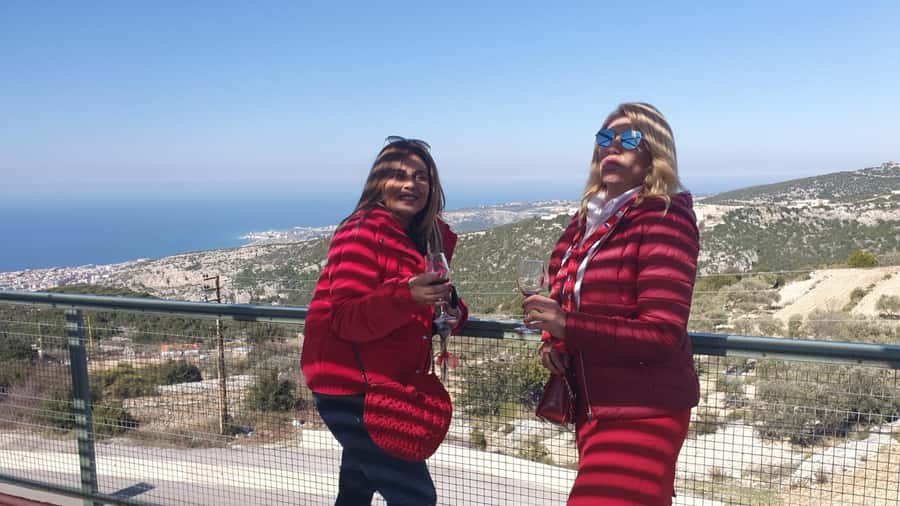
Later in the day, you visit Château St Thomas with a guided tour and a tasting session of about 1 hour. By this point, you have already toured caves or vineyards and tasted multiple wine styles. So your job changes from learning the basics to spotting patterns.
You start recognizing what you enjoy across Lebanon’s reds, rosés, and whites, and you might even notice when a style feels more consistent with what you already liked earlier. The guidance you have received up to this point pays off here. You are tasting more actively, not just drinking.
This is also a practical moment: if you plan to purchase bottles, this stop is typically the best time to decide because you have the clearest comparison from the earlier tastings. Keep in mind that if you are sensitive to strong alcohol flavors, you should pace yourself across the day.
Lunch at the local restaurant: a needed reset in the middle
Between wineries, you stop for a break and a traditional Lebanese lunch at a local restaurant. The lunch block is about 1 hour, which gives you time to eat properly without killing the rest of your day.
Why I like that this tour includes lunch: a tasting day without food can turn into a blur. With a meal in the middle, you reset your palate and you can enjoy the wine tastings more calmly afterward.
One consideration: you should not expect lunch to be served inside a winery tasting room. The tour treats lunch as its own stop. That is not a problem, just set your expectations so you do not think you will be eating in the middle of a cellar tour.
What you will taste: wines, plus arak or white milk
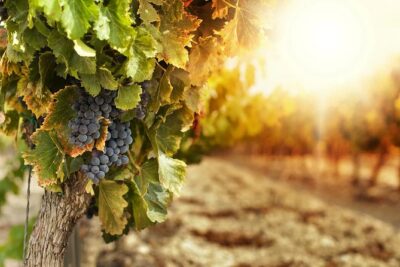
The tour is designed around wine tasting in Lebanon’s core styles: red, rosé, and white wines. You also get a tasting experience that can include Lebanese arak or white milk. This part is worth paying attention to, because it shifts the day from being only wine-focused to being more like a real tasting culture in Lebanon.
Arak, as a Lebanese spirit, is usually a different flavor experience than wine, and it tends to change how you perceive sweetness and finish. White milk, on the other hand, can be a creamy, mellow contrast that helps you cool down between stronger sips.
Your best approach is simple: try it, but do not treat every pour like it needs to be compared to wine. Think of it as a separate tasting category. You will enjoy the day more, and you will avoid overthinking the comparison when the goal is variety.
Also, because you are tasting multiple wines across several stops, pacing matters. Sip first, then decide if you want a second round of your favorites. It will keep the experience fun instead of tiring.
Price and value: is $140 per person worth it?
At $140 per person for a full day, this tour looks priced like a true package, not a DIY day with separate tickets. You get hotel pickup and drop-off, admission fees to the wineries, admission fees to the brewery, wine tastings, a Lebanese lunch, and an English live guide.
The real value here is time and organization. Getting between multiple Bekaa Valley wineries on your own means arranging transport, managing different visiting hours, and paying separate admission tickets. Even if you are a confident planner, that kind of juggling can eat up energy fast.
Also, the tour is private group. That usually means less waiting around and more direct guidance, which you can feel during tastings. You are not just buying entry. You are paying for the guided structure that helps you understand what you are tasting.
If you love wine and want a guided day that covers more than one estate, this price feels reasonable for what is included. If you only care about one winery and you prefer slow travel, you might find yourself overpaying for stops you could have skipped. In that case, consider a more single-estate visit instead.
Tips to make this tasting day smoother (and more fun)
Here is how I would set yourself up for success on a one day winery loop:
- Wear comfortable shoes. You may move between spaces, and you will likely spend time indoors and outdoors.
- Bring sunglasses and sunscreen. The Bekaa day can involve sun between stops.
- Plan to pace your sips. You taste at multiple wineries plus beer, so a calm approach gives you better results.
- Ask one question during each tasting. You do not need to grill the guide. One good question makes your tasting stick.
- If you think you will buy bottles, mentally note your top two favorites early. Decision fatigue is real late in the day.
Who this tour suits best
This tour is a great fit if you want a complete Lebanese wine day without the hassle of planning driving and bookings. It suits couples, friends, and small private groups who like guided explanations and want to compare styles across multiple major wineries in the Bekaa Valley.
It is also good for people who want more than wine. The brewery stop and the chance to try Lebanese arak or white milk make it feel like a broader cultural tasting day, not a narrow wine classroom.
If you are a wine expert who already knows each winery’s exact approach, you might find some stops feel brief. But even then, guided cave and vineyard time can still be interesting because it gives context that labels alone cannot.
Should you book this Lebanese wineries guided tour?
If you want a guided day with Chateau Ksara caves, Chateau Kefraya, Chateau Rayak, and Château St Thomas, plus a craft beer stop and a traditional Lebanese lunch, I think booking makes sense. The package is built around value, especially when you factor in pickup from Beirut and admission fees.
Do it if your goal is to taste widely, learn as you go, and come home with a few clear favorites. I would hesitate only if you hate structured itineraries or you prefer to spend half a day at one place rather than sampling multiple estates.
If you like your travel days organized, this one is a strong choice.
FAQ
How long is the Lebanese wineries guided tour?
The tour lasts 1 day.
Where does the tour start and end?
It includes pickup in Beirut and returns you to Beirut at the end of the day.
What is included in the price?
It includes hotel pickup and drop-off, admission fees to the wineries, admission fees to the brewery, wine tasting, and a Lebanese lunch.
What languages are available for the live tour guide?
The live tour guide is English.
Do you taste more than wine?
Yes. Along with wine tastings, the tour includes a brewery stop for craft beer, and it also mentions tasting Lebanese arak or white milk.
Is the tour wheelchair accessible?
Yes, the tour is wheelchair accessible, and it is offered as a private group.
Newest Beirut write-ups
- Small Group Tours to Jeita Grotto and Byblos with tickets★ 5.0 · 3 reviews
- Small-Group Tour with Lunch to Jeita Grotto, Byblos and Harissa★ 4.5 · 3 reviews
- Small-Group Tour to Sidon, Tyre and Maghdouche with Lunch and Tickets★ 4.5 · 3 reviews
- Small-Group Tour with Lunch to Baalbek, Anjar and Ksara★ 5.0 · 3 reviews
- Beirut to Qadisha Valley, Bcharri & Cedar: Daily Tours with Lunch★ 4.5 · 3 reviews
- Beirut to Sidon, Tyre and Maghdouché: Daily Tours with Lunch★ 5.0 · 3 reviews
- Exploring Beirut’s Past: A Private Guided Historical Tour★ 5.0 · 3 reviews
- Private Tour: Tyre, Sidon and Maghdouche Day Trip from Beirut★ 4.5 · 3 reviews
Lunch Experiences, compared.
Guided Small-Group Tour to Baalbek, Anjar and Ksara with Lunch
Read our review →
Guided Small-Group Tour to Jeita, Harissa, Byblos with Lunch
Read our review →
Anjar, Baalbek & Ksara Day Trip – With Lunch (4G on Board)
Read our review →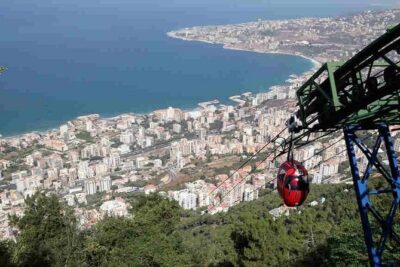
Byblos, Jeita Grotto & Harissa Day Trip -With Lunch (4G on Board)
Read our review →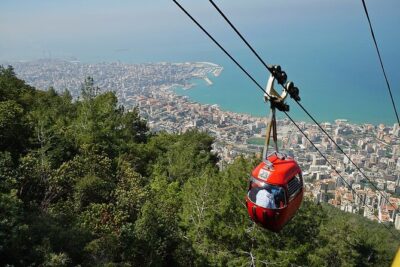
Semi-Private Tour to Jeita Grotto, Harissa & Byblos with Lunch
Read our review →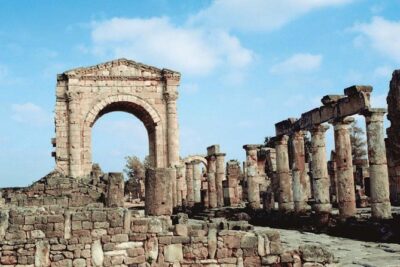
Sidon, Tyre & Maghdouche Day Trip – With Lunch (4G on Board)
Read our review →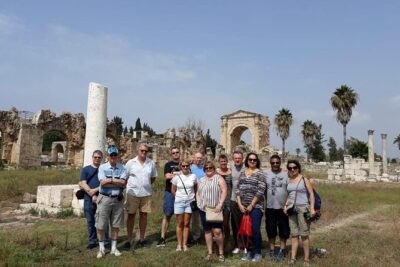
Guided Small-Group Tour to Sidon, Tyre & Maghdouche with Lunch
Read our review →
Guided Small-Group Tour to Qadisha, Bcharee & Cedars with Lunch
Read our review →Browse the lists this tour appears in