
Reviewed · BAALBEK & ANJAR TOURS
Baalbek, Anjar & Wine: A Journey Through Lebanon’s Heritage
Baalbek, Anjar, and Ksara is interesting because you get two different ancient civilizations and then a modern Lebanese payoff in the same day. I love how the scale at Baalbek hits you fast, and I also like that the tour finishes with a proper winery stop in the Bekaa Valley, not a rushed photo moment.
Two things I really liked: the Temples of Baalbek time is long enough to feel the place, and the Chateau Ksara tasting is guided, so you know what you are drinking. The only drawback to think about is timing. This is about 8 hours total, so if you want a super slow pace or a long lunch, you will feel the squeeze.
Key Highlights to Know Before You Go
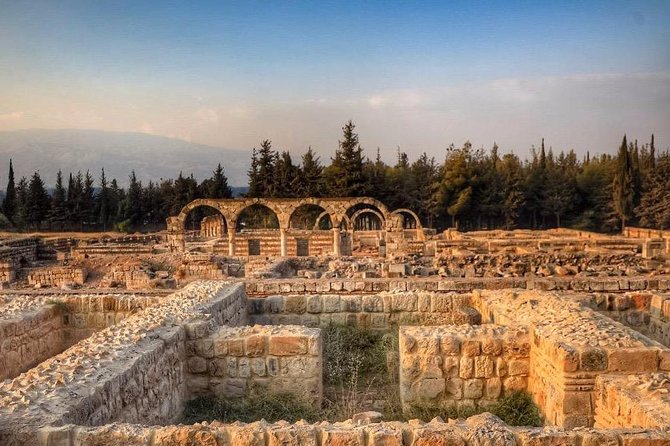
- UNESCO sites in one day, from Roman columns to Umayyad city ruins
- Guided winery tasting at Chateau Ksara, with reds and whites to sample
- Small group size (max 15), which helps the day feel manageable
- Pickup and drop-off from Beirut in an air-conditioned vehicle
- Stone of the Pregnant Woman stop is quick and free, perfect for a legend break
- Admission tickets not included for Baalbek, Anjar, and Ksara, so budget ahead
Roman Giants to Umayyad Streets, In One Day
If you like seeing big history with your own eyes, this kind of route is hard to beat. You start at the Temples of Baalbek, famous for Roman architecture and for the way the structures dominate the landscape. Then you move to Anjar, where the ruins show how an Umayyad city borrowed and reshaped older styles. Finally, you end at Chateau Ksara in the Bekaa Valley for a wine tasting that feels like a real reward.
This is also a practical day trip. The tour includes air-conditioned vehicle transport plus hotel pickup and drop-off, and it runs about 8 hours starting around 8:30 am. With a maximum group size of 15, you can actually hear your tour leader and ask questions without feeling swallowed by the crowd.
One thing to keep in mind: lunch is not included. So if you normally need a proper meal mid-day, plan for something simple, like a snack you can grab nearby, and keep your expectations aligned with a focused sightseeing schedule.
Other days out of Beirut to consider
- PRIVATE Beirut Historical Walking Half Day Tour
★ 5.0 · 27 reviews - Historical Beirut Tour (AM) Half Day – (4G on Board)
★ 4.0 · 16 reviews - Temple of Eshmun – Mleeta Landmark – Beaufort Castle
★ 5.0 · 9 reviews
Getting to Baalbek: Start Early, Save Energy
The morning start matters here. Baalbek is a place where the scale is the whole point, so you want good energy before you hit the biggest stones. With pickup and drop-off, you avoid the hassle of organizing local transport on your own, and the air-conditioned vehicle helps if the day is warm.
Your itinerary is built to keep moving, but not to rush you through everything. The Baalbek stop is about 1 hour 30 minutes, which is usually enough to walk the key areas at a comfortable pace and still have time to look up, not just straight ahead.
Also note the ticket detail. Admission is not included for Baalbek. That means you should expect to pay for entry separately, so bring cash or a payment method that works locally.
Temples of Baalbek: Where Roman Columns Feel Unreal
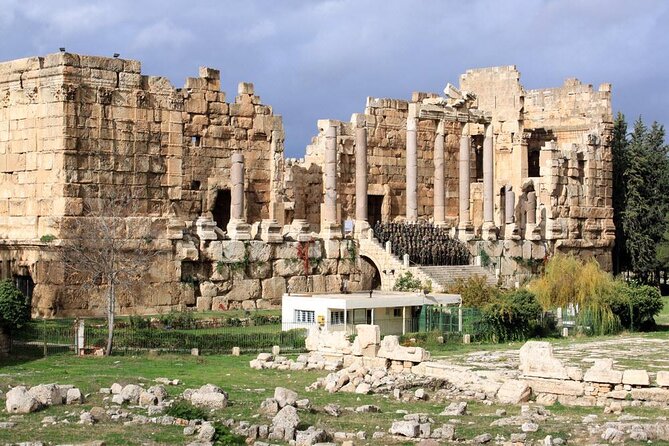
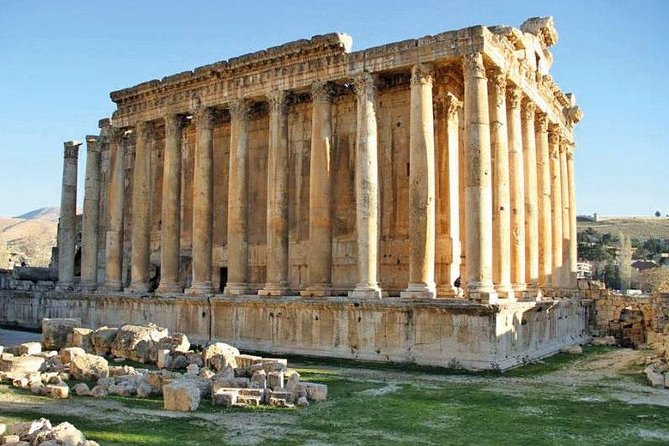
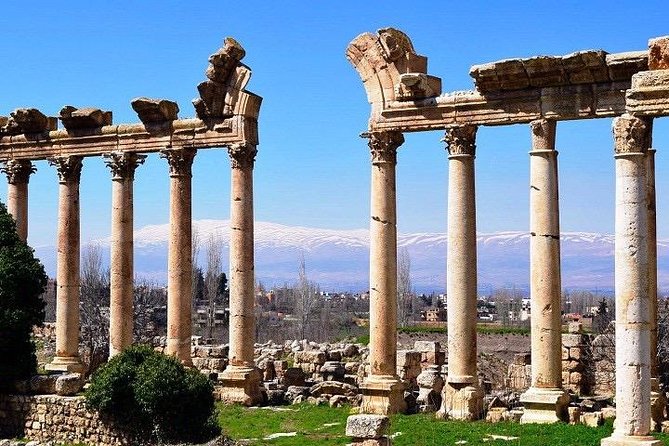
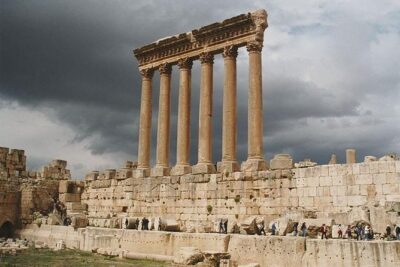
The Temples of Baalbek are a UNESCO World Heritage site, and the reason people keep coming is simple: the structures are enormous. You are looking at a complex tied to Roman religious life, with temples dedicated to Jupiter, Bacchus, and Venus, dating back to the 1st century AD.
The standout is the Temple of Jupiter. The information you get on-site makes it clear why it is so famous, including the claim that it features the largest Roman columns ever built. Even if you do not memorize numbers, you feel the idea immediately. These are not “nice ruins.” They are monumental.
What I like about a guided stop here is that you do not just wander. A good tour leader helps you understand what you are seeing, like how Roman architectural choices create a sense of power and ceremony. You also get help spotting the kinds of details people miss if they are just walking on their own.
A consideration: this is an outdoor site, and you will be spending that time looking up. Wear comfortable shoes, bring sun protection, and expect that the best views come from slowing down and letting your eyes adjust to the scale.
The Stone of the Pregnant Woman: A Short Legend Stop That Works
After the main temple area, you get a quick break at the Stone of the Pregnant Woman (Hajar al-Hibla). This is a free stop and lasts about 15 minutes, so it fits neatly even if you are tired.
The key thing here is the mix of myth and megalith. The stone is estimated to weigh around 1,000 tons and is said to date back over 2,000 years. The name comes from a local legend that women who touch the stone increase their fertility.
Even if you are not trying to prove legends, the stop is worth it because it adds variety. One minute you are in Roman grandeur, and the next you are in a story tied to everyday human hopes. It gives your day a human pulse between the big archaeological moments.
A different spoke from Beirut:
- Guided Small-Group Tour to Baalbek, Anjar and Ksara with Lunch
★ 5.0 · 511 reviews - Guided Small-Group Tour to Jeita, Harissa, Byblos with Lunch
★ 5.0 · 361 reviews - Paragliding Trip Over Lebanon – Jounieh Bay
★ 5.0 · 257 reviews - Jeita Grotto,Harissa&Byblos Full-Day PRIVATE-CAR Trip from Beirut
★ 5.0 · 222 reviews
Anjar Umayyad Ruins: Roman and Persian in the Same Footprints
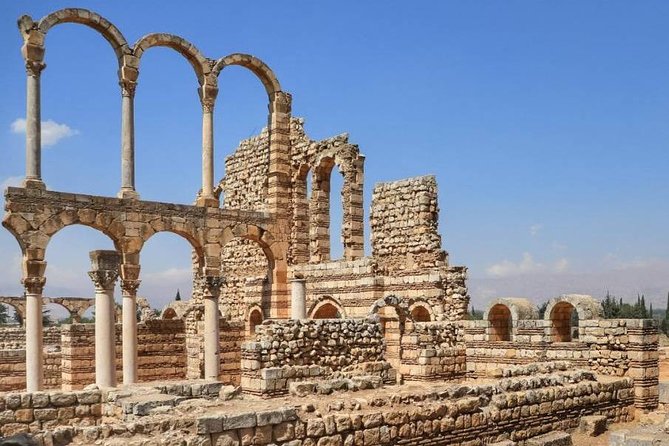
Next up is Anjar, an Umayyad city site with major historical weight. You will spend about 45 minutes here, and admission is not included, so plan on separate entry costs again.
Anjar was constructed in the 8th century by Umayyad Caliph Walid I. What makes the site especially interesting is how the ruins show a blend of influences. You see connections to Roman and Persian architectural styles, which reflects how cultural exchange worked when empires moved, traded, and absorbed ideas.
During your time there, you will get to focus on the kinds of remains that make an ancient city feel real. Expect to see references to the Great Palace, bathhouses, and mosques. Even without getting lost in minute details, this is the part of the day where you shift from “temples as monuments” to “city as a system.”
Possible drawback: 45 minutes is a solid window, but it is not long. If you are the type who wants to read every sign and linger in every corner, you might want extra time. Still, for most people, it is enough to see the overall layout and understand why Anjar matters.
Chateau Ksara Tasting: A Calm Finish to a Heavy Day
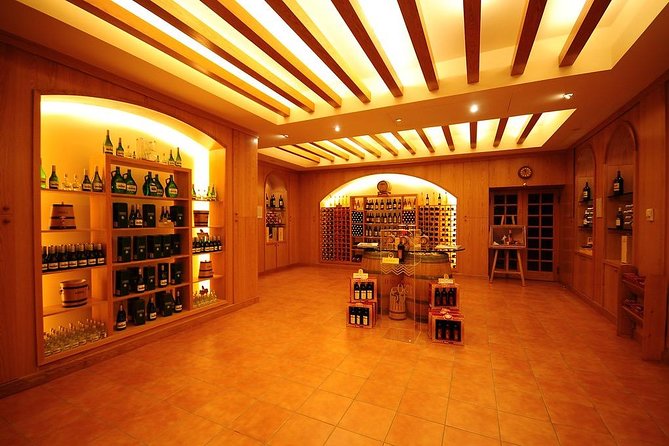
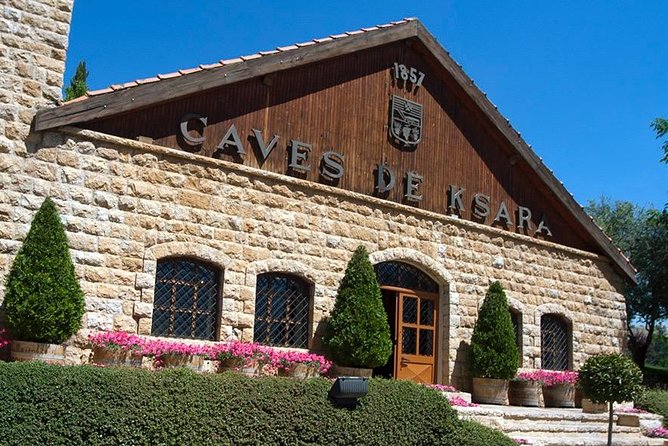
Then you transition from ruins to relaxation at Chateau Ksara. This is in Lebanon’s Bekaa Valley, a region strongly associated with wine, and your tasting runs about 1 hour. Like the other main stops, admission is not included, so budget for that separately.
Chateau Ksara is described as having a 150-year legacy, which helps explain why it feels established rather than like a quick tourist counter. The tasting is guided by sommeliers, and you sample a range that includes reds and crisp whites.
What makes this stop valuable is that it gives your brain a break from “big stones” mode. After Baalbek and Anjar, wine tasting is a different kind of culture experience. You are not just buying a souvenir. You are learning how Lebanese wine is structured, what the cellar tradition feels like, and how different styles show up in one tasting flight.
Also, the winery setting can change how you remember the day. Instead of ending with another sprint to a final viewpoint, you end with conversation, flavor, and a slower pace.
A practical note: lunch is not included, so if you snack earlier, it can help you enjoy the tasting more comfortably. If you are sensitive to alcohol, pace yourself during the tasting.
Price and Value: Is $55 a Smart Use of a Day?
At $55 per person for an 8-hour experience with pickup, drop-off, transport, and a tour leader, the value depends on one major factor: admissions and lunch are not included.
That means the $55 covers the logistics and guiding, while you pay separately for entry tickets at Baalbek and Anjar, plus your tasting admission at Chateau Ksara. The Stone of the Pregnant Woman is free, which is a nice small win inside the schedule.
So the best way to judge value is to think like this:
- If you want a one-day plan that handles transport and guiding for you, $55 is a fair deal.
- If you would rather travel independently and already know you will pay admissions anyway, this still saves time, because coordinating drivers and managing timing in one day can get annoying.
- If you need lunch included as part of the ticket value, you will need to add that cost yourself.
Also consider group size. A maximum of 15 travelers is small enough to feel personal, which you really notice on a day that includes multiple stops. It is not just about price, it is about not getting stuck in a huge bus.
What the Day Feels Like, Hour by Hour
Here is the shape of the experience, in plain terms:
- Morning pickup, then you roll out toward Baalbek, with comfort handled by the air-conditioned vehicle.
- Baalbek temples take about 1 hour 30 minutes, letting you absorb the main Roman structures.
- Stone of the Pregnant Woman is a short 15-minute legend stop, and it is free.
- Anjar ruins get about 45 minutes, enough to see the key remnants and understand the city’s character.
- You end at Chateau Ksara for around 1 hour to taste Lebanese wines with guided support.
That pacing is a good balance for a half-day in terms of energy, but it is still a full day. You will likely be walking some, standing to look, and spending time outdoors. Plan accordingly.
Who This Tour Suits Best (And Who Might Want Something Else)
This tour fits you if you want:
- Big-site sightseeing without planning headaches
- Guided context for major archaeological places
- A structured day that ends with a high-quality Lebanese wine experience at Chateau Ksara
- A manageable group size of up to 15 travelers
You might look for another option if:
- You need a long, sit-down lunch included
- You want lots of extra time for reading and slow wandering in each site
- You have very tight preferences for only one location, since the day spreads time across three stops plus the short legend site
Small Tips That Make a Difference
A few choices will improve your experience immediately:
- Bring sun protection and water, since Baalbek is time spent outdoors.
- Wear shoes you can move in, because temple and ruin terrain is uneven in spots.
- Keep some cash or a workable payment method ready for admission tickets at Baalbek, Anjar, and Ksara.
- If you are doing the wine tasting, pace yourself, and consider eating something beforehand since lunch is not included.
Also, since the tour uses a mobile ticket and confirmation is provided after booking, have your booking details easy to access on your phone.
Should You Book This Baalbek, Anjar and Wine Tour?
Book it if you want a single day that connects the dots between Roman monumental design, Umayyad city planning, and Lebanon’s wine culture. The biggest reason I would recommend it is that the experience pairs two UNESCO-style heritage stops with a real winery tasting at Chateau Ksara instead of ending the day abruptly.
I would hold off if you need lunch included, or if you are the type who needs hours at each site. The schedule is efficient by design, and that efficiency is the point.
If you are in Beirut and you want a day that feels like Lebanon in one sweep, from stones to sips, this is an easy yes. Just plan for separate admissions and keep your expectations aligned with a focused, guided 8-hour route.
FAQ
Where does this tour start from?
It starts from Beirut, Lebanon, with hotel pickup offered.
What is the price of the tour?
The price is $55.00 per person.
How long is the tour?
The duration is approximately 8 hours.
What time does the tour start?
The start time is 8:30 am.
Is hotel pickup and drop-off included?
Yes, hotel pick up & drop off is included.
How many people are in the group?
The tour has a maximum of 15 travelers.
Does the price include admission tickets?
Admission tickets are not included for Temples of Baalbek, Umayyad ruins of Anjar, and Chateau Ksara. The Stone of the Pregnant Woman stop is free.
Is lunch included?
No, lunch is not included.
What is included in the tour cost?
Included features are an air-conditioned vehicle, hotel pick up & drop off, and a tour leader.
Do I need to bring a mobile ticket?
The tour includes a mobile ticket.
Can I change or get a refund if plans change?
This experience is non-refundable and cannot be changed for any reason.
Newest Beirut write-ups
- Small Group Tours to Jeita Grotto and Byblos with tickets★ 5.0 · 3 reviews
- Small-Group Tour with Lunch to Jeita Grotto, Byblos and Harissa★ 4.5 · 3 reviews
- Small-Group Tour to Sidon, Tyre and Maghdouche with Lunch and Tickets★ 4.5 · 3 reviews
- Small-Group Tour with Lunch to Baalbek, Anjar and Ksara★ 5.0 · 3 reviews
- Beirut to Qadisha Valley, Bcharri & Cedar: Daily Tours with Lunch★ 4.5 · 3 reviews
- Beirut to Sidon, Tyre and Maghdouché: Daily Tours with Lunch★ 5.0 · 3 reviews
- Private Tour: Tyre, Sidon and Maghdouche Day Trip from Beirut★ 4.5 · 3 reviews
- Exploring Beirut’s Past: A Private Guided Historical Tour★ 5.0 · 3 reviews
Baalbek & Anjar Tours, compared.

Guided Small-Group Tour to Baalbek, Anjar and Ksara with Lunch
Read our review →
Anjar, Baalbek & Ksara Day Trip – With Lunch (4G on Board)
Read our review →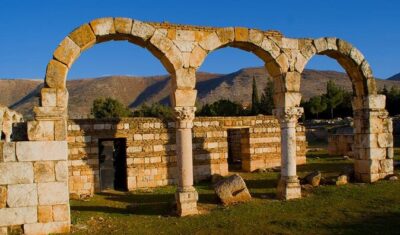
Private Anjar and Baalbek Tour from Beirut with Departure Ticket
Read our review →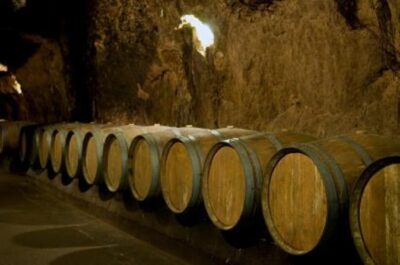
Guided Private Full Day Tour to Baalbek, Anjar and Chateau Ksara
Read our review →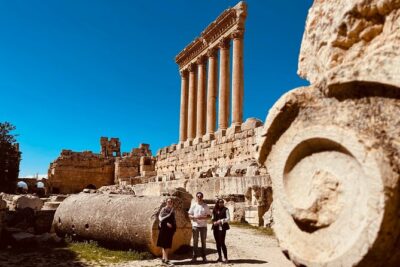
Lebanon tour Baalbek ruins & Ksara w/pick-up, lunch,guide+entries
Read our review →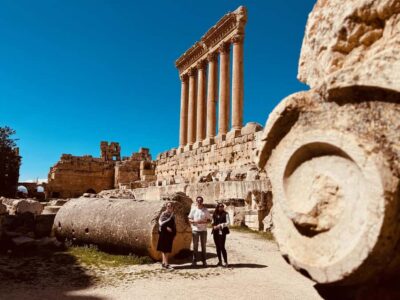
Baalbek Temples & Ksara Caves w/pick-up,guide, entries+lunch
Read our review →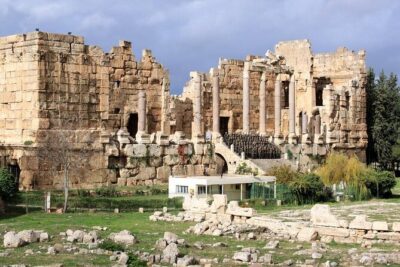
Small Group Tours to Baalbek, Anjar & Chateau Ksara with lunch and Tickets
Read our review →Browse the lists this tour appears in