
Reviewed · CITY TOURS
Tripoli City Lebanon Trip
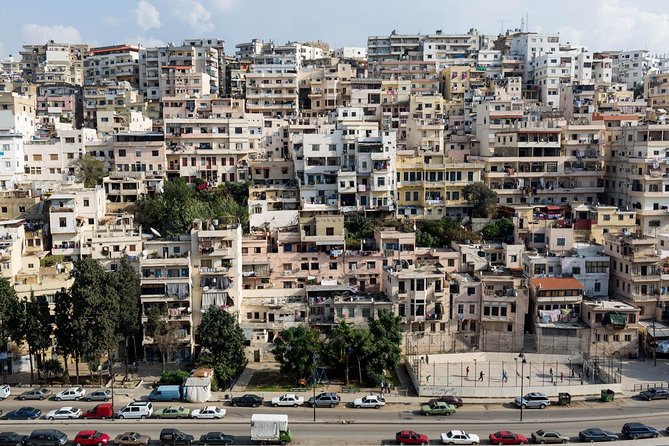
Tripoli is interesting because it stacks big eras side by side, Crusader walls and Mamluk architecture next to everyday market life. It is also a practical day out, with Tripoli sitting about 85 kilometers (53 miles) north of Beirut and a real sense of place.
I love the easy hotel pickup and air-conditioned transport, because it turns a long drive into a relaxed morning. I also love that the day balances landmark stops with time in the old souks, so you actually see how people go about selling and buying.
One possible drawback: you will need to budget for your own meals and any entrance fees, since lunch and entrance fees are not included. It is also an 8-hour day, so plan for some walking and sun.
Key Highlights You Will Feel Right Away
- Pickup from Beirut and return to the same meeting point, so you avoid transit stress
- Small group size (max 15), which keeps the pace comfortable for a day trip
- Abandoned Train Station rail history ties Tripoli to Homs and even the Orient Express era
- Great Mosque of Tripoli shows Mamluk-period design right in the old market area
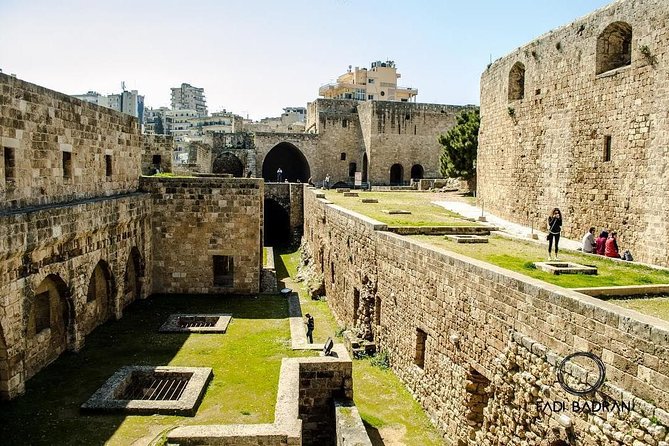
- Citadel of Raymond de Saint-Gilles (built 1103) is the major Crusader fortress stop in Lebanon
- Soap factory pass-by plus souk time makes it easy to pick up small gifts without rushing
Tripoli Day Trip Logistics: Beirut to the North in One Piece
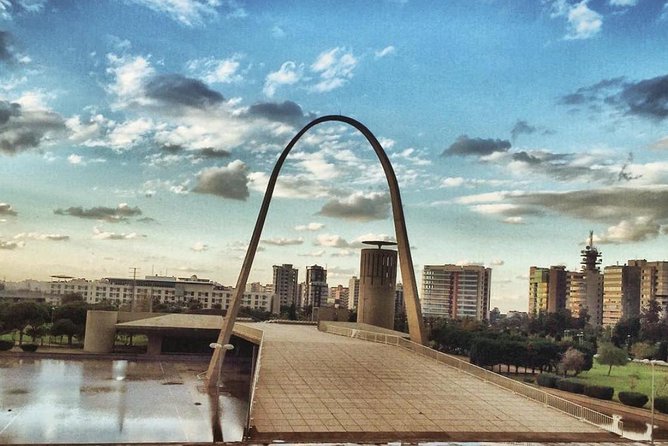
This is built as an all-in-one day from Beirut, starting at 8:30 am with pickup and returning you back to the meeting point. The total time is listed at about 8 hours, with around 5 hours spent in Tripoli itself, so you get enough time to see the big sights without turning it into a marathon.
You travel in an air-conditioned vehicle, and parking is handled for you. That matters in Lebanon, because it keeps the day focused on sights, not on hunting for a spot to park and then getting everyone moving again.
Language support is also part of the value. Your English or Arabic speaking driver is part of the setup, which makes it easier to ask questions at stops, especially in the market areas where street noise and crowd flow can blur what you are looking at.
Finally, this is a small group tour with a maximum of 15 travelers. Smaller groups do not just feel nicer, they also help the day run on time, which is a big deal when you are doing a single city in one go.
Other days out of Beirut to consider
- City Sightseeing Beirut Hop-On Hop-Off Bus Tour
★ 4.5 · 87 reviews - PRIVATE city Tour of authentic Tripoli and vibrant Batroun
★ 5.0 · 51 reviews - Private Baalbek City Tour
★ 5.0 · 14 reviews
First Stop: The Abandoned Train Station and the Orient Express Echo
The Tripoli Abandoned Train Station is not just a pretty old shell. It started operating in 1911 and was connected to the Syrian city of Homs with a single track, so you can picture what rail travel meant in the early 1900s. Later on, the station served as the terminus of the Orient Express line during the 1920s, 1930s, and 1940s.
If you like transportation history, this is the kind of stop that gives you a mental map. You are standing in the place where long-distance connections once ended, and you can connect the dots between Tripoli, nearby Syrian cities, and the bigger European travel story the Orient Express brings to mind.
There is also a key connection back to Beirut. In 1945, the Tripoli station was linked to Beirut’s central station area known as Mar Mikael. That detail helps you see Tripoli not as an isolated side trip, but as part of a regional network at a time when rail was the main highway.
One practical consideration: because it is labeled abandoned, you should expect a more outdoors and photo-focused stop than a museum visit. It is still valuable, just approach it as a historical viewpoint where walking and looking matter more than ticketed interiors.
Old Souk Time and the Great Mosque of Tripoli (Mamluk Period)
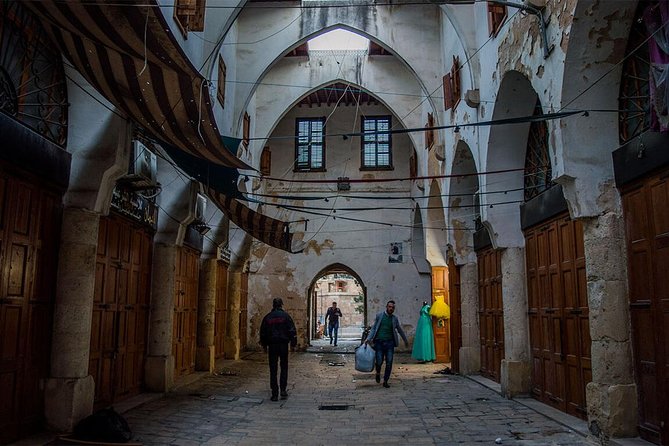
After the rail-history stop, you shift into the heart of day-to-day Tripoli with the old souks and market time. This is where the experience becomes more than sightseeing, because you see commerce in action instead of just reading about it.
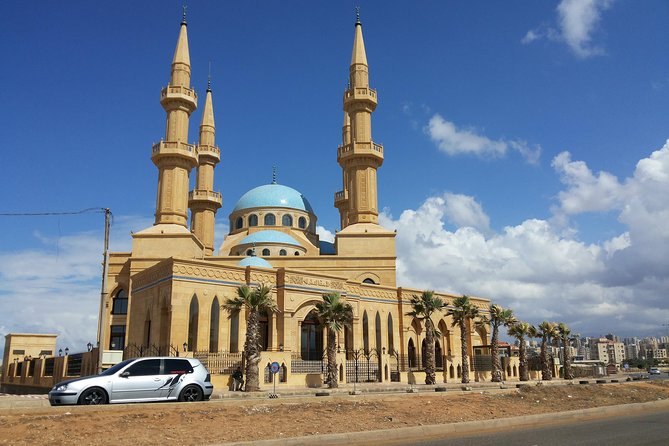
A highlight here is the Great Mosque of Tripoli, built during the Mamluk period. That is a big deal for architecture lovers, since the Mamluk era left a distinct look across the region. Even if you are not hunting for details, the mosque gives the day a strong historical anchor right inside the market area.
From there, you move through the souk area to experience local life and how people sell merchandise. This is a realistic way to understand a city, because market streets are where you notice rhythm, specialty items, and what locals care about today.
A tip for making this part work: if you want souvenirs, bring small bills and be ready for quick decisions. Souk browsing is easy to overdo when you get caught up looking at everything, so decide what you want first, then shop with a time limit in mind.
Citadel of Raymond de Saint-Gilles: Crusader Fortress Built in 1103
Then you go to one of the key headline stops, the Citadel of Raymond de Saint-Gilles. This fortress was built by Raymond de Saint-Gilles, governor of Tripoli, in 1103, which places it firmly in the Crusader-era story of the city. Tripoli is known for having the largest Crusader fortress in Lebanon, and this is the site that earns that reputation.
A fortress is more than a building, it is a way of thinking about control and distance. From a citadel, you can understand why power was built on higher ground, why walls were needed, and why this area mattered strategically.
What makes this stop especially good on a day trip is that it usually gives you the strongest sense of place. You go from street-level market life, then climb into a viewpoint shaped by centuries of conflict and rule, and suddenly the city’s layers make more sense.
Possible drawback: citadel visits can involve some walking up uneven areas. Wear comfortable shoes and keep water in mind, especially in warmer months. If you prefer minimal walking, you might still enjoy it, but you should manage your pace and take breaks when needed.
A different spoke from Beirut:
- Guided Small-Group Tour to Baalbek, Anjar and Ksara with Lunch
★ 5.0 · 511 reviews - Guided Small-Group Tour to Jeita, Harissa, Byblos with Lunch
★ 5.0 · 361 reviews - Paragliding Trip Over Lebanon – Jounieh Bay
★ 5.0 · 257 reviews - Jeita Grotto,Harissa&Byblos Full-Day PRIVATE-CAR Trip from Beirut
★ 5.0 · 222 reviews
Soap Factory Pass-By: A Practical Look at Traditional Goods
Between the big monument stops, you will pass by a soap factory. The exact setup can vary by day, but the purpose of including it in the flow is clear: it gives you a quick look at how traditional goods connect to modern market culture.
Soap matters because it is one of those everyday products where craft shows up in plain sight. Even without turning it into a long workshop-style stop, a pass-by can still help you connect what you see in the souk to something made locally or regionally, rather than just packaged goods.
If you are the type who likes to buy small, useful souvenirs, this kind of stop helps. You can often choose gifts that are easier to transport than fragile items, and you get a better sense of what you are actually buying.
If you are hoping for a full hands-on production tour, note that the schedule only says pass-by. It is worth going with expectations of a short, observational stop rather than a deep workshop.
Price and Value: Is $45 Worth an 8-Hour Trip?
At $45 per person, this day trip is priced like a budget-friendly way to cover a lot of ground without arranging transport yourself. That number matters most because several costs are already handled.
Included in the price are an air-conditioned vehicle, hotel pickup and drop-off, an English or Arabic speaking driver, and parking fees. Those are the kinds of expenses that add up quickly if you try to stitch the day together with separate taxis or multiple local hires.
Also, the experience lists an admission ticket as free for the Tripoli segment in the schedule, but entrance fees are not included overall. So here is the honest way to plan it: you should treat $45 as covering transport and guiding during the day, while setting aside a little extra in case any sites require paid entry.
Lunch is also not included. That can be fine, if you like choosing your own food. Just plan it ahead, especially because you have a fixed end time and you do not want to lose momentum hunting for something at the last minute.
The Timing That Makes or Breaks a Day Trip

This starts at 8:30 am, which is early enough to get traction on the day but not so early that it feels like a midnight airport scramble. The ride from Beirut north to Tripoli is part of the experience, and it is long enough that the included transport and driver support help you stay relaxed.
You have about 5 hours in Tripoli, then you head back to Beirut. That structure is what makes the day feel complete: you are not just dropping in for quick photos and leaving, you actually get time for a monument stop, mosque-and-souk time, and a major citadel visit.
The tour runs in a group capped at 15 travelers. In practice, that means fewer delays than big-coach sightseeing, but it still helps to show up on time for pickup. The schedule is tight, and being late can ripple across the whole group.
If you want the best experience, use the day for contrast. See the abandoned station, then the active market, then the citadel viewpoint. That arc is where Tripoli really starts to click.
Who This Trip Is Best For in Real Life
This day trip works best if you want a structured introduction to Tripoli and you do not want to spend your whole day figuring out logistics. The inclusion of pickup and drop-off makes it ideal for visitors who are staying in Beirut and prefer not to manage local transport.
It is also a strong choice if you like history that shows up in everyday places. You get Crusader-era fortification context at the citadel, Mamluk-era architecture at the Great Mosque, and a rail-history moment that links Tripoli to a bigger transit story.
Because the group is small and the tour is meant to be manageable for most travelers, it can also fit couples, friends, and solo travelers who want company without crowd chaos.
Where it might not be perfect is if you want long time for one site, or if you need a fully meal-included itinerary. You will have to handle lunch yourself and plan around time inside each stop.
Should You Book This Tripoli City Day Trip?
I think you should book it if your goal is a focused, well-paced day in Tripoli that mixes major sights with market life. The best part is the combination: rail history at the abandoned station, Mamluk-period architecture at the Great Mosque, and the citadel built in 1103 by Raymond de Saint-Gilles, plus souk time for real local atmosphere.
I would skip it if you are the kind of traveler who needs a lot of control over meals and pacing, because lunch and entrance fees are not included and time is limited. Also, if you have mobility limits that make uneven terrain hard, you should consider that the citadel stop can involve walking.
If you do book, come ready for a full day. Wear comfortable shoes, keep some cash or card ready for whatever entry fees might apply, and plan to take your time in the market once you arrive. This is the kind of trip where the payoff comes from moving through different layers of the city, not from staying in one place too long.
FAQ
What is the duration of the Tripoli City day trip?
The tour runs for about 8 hours.
Where does the tour start and end?
It starts in Beirut, Lebanon and ends back at the meeting point.
What time does the tour start?
Start time is 8:30 am.
Is hotel pickup and drop-off included?
Yes. Hotel pick-up and drop-off are included.
Is lunch included in the price?
No. Lunch is not included.
Are entrance fees included?
No. Entrance fees are not included.
How many people are in the group?
The tour has a maximum of 15 travelers.
Is the tour suitable for most travelers?
Yes. Most travelers can participate.
What is the cancellation policy?
This experience is non-refundable and cannot be changed for any reason.
Newest Beirut write-ups
- Small Group Tours to Jeita Grotto and Byblos with tickets★ 5.0 · 3 reviews
- Small-Group Tour with Lunch to Jeita Grotto, Byblos and Harissa★ 4.5 · 3 reviews
- Small-Group Tour to Sidon, Tyre and Maghdouche with Lunch and Tickets★ 4.5 · 3 reviews
- Small-Group Tour with Lunch to Baalbek, Anjar and Ksara★ 5.0 · 3 reviews
- Beirut to Qadisha Valley, Bcharri & Cedar: Daily Tours with Lunch★ 4.5 · 3 reviews
- Beirut to Sidon, Tyre and Maghdouché: Daily Tours with Lunch★ 5.0 · 3 reviews
- Private Tour: Tyre, Sidon and Maghdouche Day Trip from Beirut★ 4.5 · 3 reviews
- Exploring Beirut’s Past: A Private Guided Historical Tour★ 5.0 · 3 reviews
City Tours, compared.
PRIVATE city Tour of authentic Tripoli and vibrant Batroun
Read our review →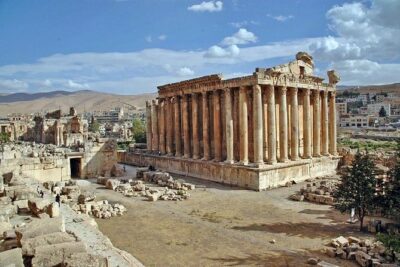
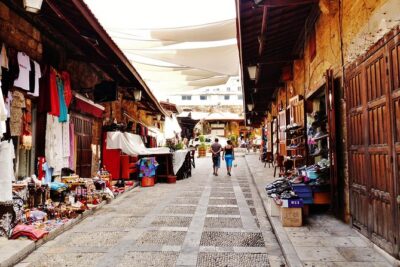
PRIVATE tour to Jeita Grottos, Harissa Shrine & Byblos City
Read our review →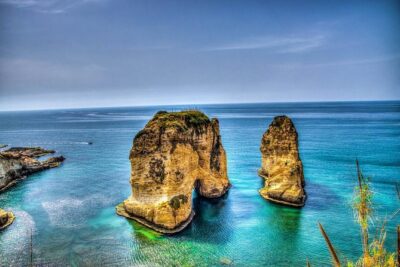
Private Beirut City Tour with Boat Ride at Raouche Rock
Read our review →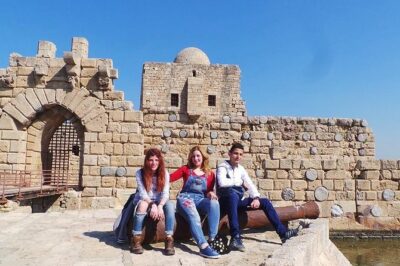
Browse the lists this tour appears in