
Reviewed · BAALBEK & ANJAR TOURS
Guided Full-Day Private Tour to Byblos and Baalbek from Beirut
If you want one day in Lebanon that hits the big names without the usual hassle, this private full-day tour from Beirut is a smart way to do it. Byblos and Baalbek give you Phoenician-to-Roman history in a single, well-paced loop. I especially like that you get private guiding at both main sites, and I like the practical setup with hotel pickup plus included entrances, so you can focus on the ruins. One consideration: it is a long day around 10 hours, and lunch is not included, so you’ll want to plan for snacks and water.
Baalbek’s Roman temple complex can feel almost unreal when you see the scale in person. Byblos adds the quieter layers, with fortress views, old streets, and even the story of the Phoenician alphabet. Expect a lot of walking and sun, but the private format helps you move at a pace that feels right.
Key Points You’ll Care About
- Private guides at Byblos and Baalbek mean you are not stuck with a generic script, and questions get answered on the spot
- Admission fees are included, which saves time and reduces money stress once you are already there
- Hotel pickup and drop-off keep this day from turning into a logistics puzzle
- Baalbek’s Roman scale plus Phoenician roots gives you the full “why it matters” story, not just photo stops
- Byblos Castle viewpoints let you see the ruins in context, especially from the keep
- Short breaks built into the day at the souk and port keep momentum without rushing every detail
A 10-Hour Private Loop Through Phoenician and Roman Lebanon
This is the kind of day trip I like: focused, time-efficient, and guided in a way that actually helps you connect the dots. You start in Byblos, one of Lebanon’s oldest cities tied to early Mediterranean history, then move to Baalbek, where Roman engineering turns into something you can feel in your chest.
What makes it work is the mix of guided time and quick “browse windows.” You get longer stays for the two headline sites, then shorter stops that add texture, like the old souk and ancient port in Byblos. It is not just running from doorway to doorway.
If you care about context, you’ll appreciate how a good guide links what you see to what came before. One example from the guiding style on this tour is Rita, described as a wealth of knowledge who made sure every question was answered. Even if your guide is different, you should expect that same hands-on, explanation-forward approach.
Other days out of Beirut to consider
- Jeita Grotto,Harissa&Byblos Full-Day PRIVATE-CAR Trip from Beirut
★ 5.0 · 222 reviews - Private Anjar and Baalbek Tour from Beirut with Departure Ticket
★ 5.0 · 79 reviews - Guided Private Full Day Tour to Baalbek, Anjar and Chateau Ksara
★ 5.0 · 60 reviews
Morning Logistics From Your Beirut Hotel
The tour begins at 7:30 am, with pickup from your Beirut hotel and return at the end of the day. That matters more than it sounds. A half-day tour can still feel draining if you spend the morning figuring out rides, tickets, and meeting points. Here, you board an air-conditioned vehicle and you’re already set.
The tour is private, meaning it is just your group in the vehicle. That is a real comfort on a day like this, because you can shape the rhythm around your interests, and you are less likely to feel tugged along.
You also get a mobile ticket, which cuts down on friction when you reach the sites. And since admission fees are included, you are not stuck waiting at multiple counters later.
One small tradeoff: because it is a long day, you should come with realistic expectations about pace. The itinerary has multiple stops, so you will move through different areas efficiently, not slowly wander for hours on your own.
Byblos: Neolithic Layers and the Phoenician Alphabet Thread
Your first big stop is Byblos, a city tied to legends and history around the Mediterranean for thousands of years. Even before you reach the castle ruins, the message is clear: this area is not a single-era monument. It has been inhabited since Neolithic times, and it has remained important through the Phoenician period.
One of the best parts of visiting Byblos with a guide is hearing the specific way the city connects to the Phoenician alphabet and the wider diffusion of writing across the ancient world. You start looking at the place differently once someone explains what mattered here beyond trade and ships.
You also get about 2 hours at Byblos proper. That’s enough time to get your bearings, read what you can, and still feel like you saw more than just one courtyard. If you are the type who likes to understand what each structure was likely used for, ask questions early, because you’ll carry that context into the castle area.
A possible drawback is that Byblos can feel spread out depending on how you walk. If you’re sensitive to heat or need frequent short breaks, mention it. In a private setup, guides can sometimes adjust where you pause for photos and reading.
Inside Byblos Castle: Crusader Fort, 10m Dry Moat, Best Views
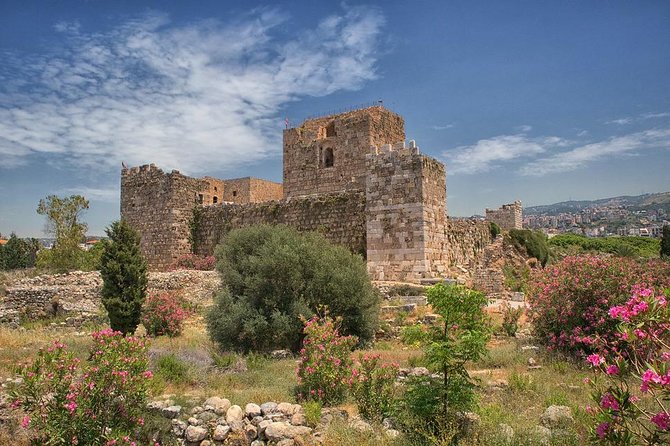
Next comes Byblos Castle, the restored Crusader-era fortress dating to the 12th century. This is surrounded by a 10m-wide dry moat, which is a striking detail you only really appreciate when you see how the terrain forces the fortress layout.
The castle sits just inside the larger archaeological zone, which includes ruins tied to the Temple of Baalat Gebal and the Temple of the Obelisks. That layered setting is part of the magic of Byblos. You look at a Crusader stronghold, but the ground underneath tells a much older story.
You’ll have about 1 hour here, plus time to move around the walls and reach the viewpoints. The keep offers an excellent perspective over the ruins, and it is especially good for understanding how the city relates to the sea. If you like panoramic moments, this is one of your best chances in the day.
Inside, there is a small museum and information panels that help summarize the city’s history in plain language. It’s not a massive museum stop, but it gives you the kind of “okay, now I know what I just saw” feeling that makes the walking worthwhile.
The only caution I’d give is this: the castle viewpoint rewards good shoes. Even if you’re not climbing a lot, you’re walking on uneven ground and stone surfaces.
A different spoke from Beirut:
- Guided Small-Group Tour to Baalbek, Anjar and Ksara with Lunch
★ 5.0 · 511 reviews - Guided Small-Group Tour to Jeita, Harissa, Byblos with Lunch
★ 5.0 · 361 reviews - Paragliding Trip Over Lebanon – Jounieh Bay
★ 5.0 · 257 reviews - First Paragliding Club in Lebanon – Since 1992
★ 5.0 · 193 reviews
The Quick Flavor Stops: Old Souk and Byblos Port
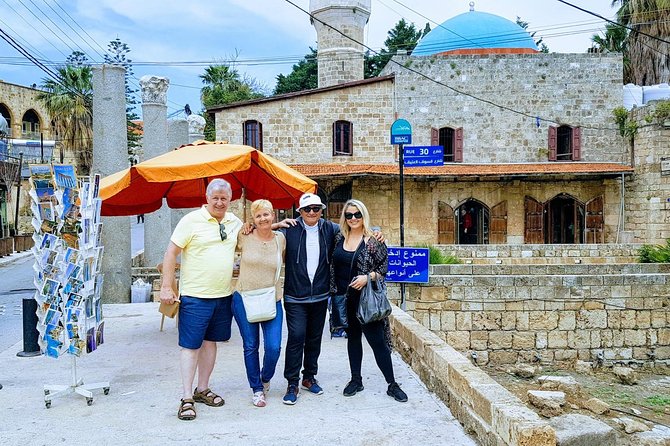
After the big ruins, the itinerary adds two short pauses at the Old Souk and Byblos Port. These are intentionally brief, around 15 minutes each, and they work like palate cleansers after heavier history.
The old souk is a classic street-market area where you can browse for souvenirs and antiques or simply enjoy the cobblestone vibe. I like these quick stops because they remind you the place is not only a museum. People still live, trade, and sell here, even if the customers are often visitors.
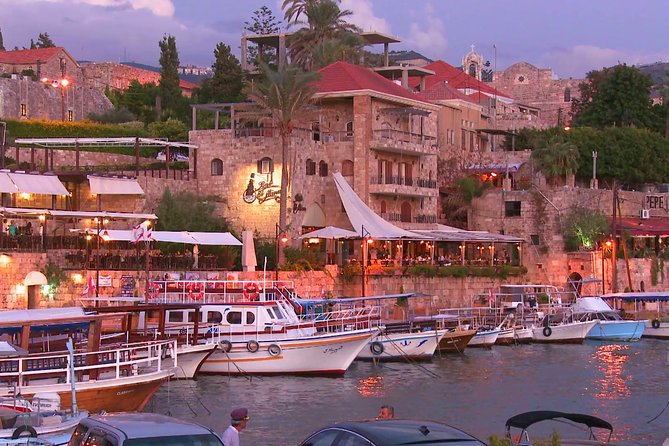
Then you head to Byblos Port, an ancient harbor area believed by Lebanese sources to be among the oldest ports in the world. Around 3000 BC, it was a key timber shipping center in the eastern Mediterranean. Even in a short stop, that kind of fact gives the location meaning, and you can almost picture the maritime rhythm of long ago.
The drawback of short stops is obvious: you do not get time to go deep into shopping or sit for long. If you care more about photos and architecture than buying, you’ll be happy. If you want a slow souvenir hunt, you’ll likely wish you had more time here.
Baalbek Temples: Roman Engineering at Human Scale
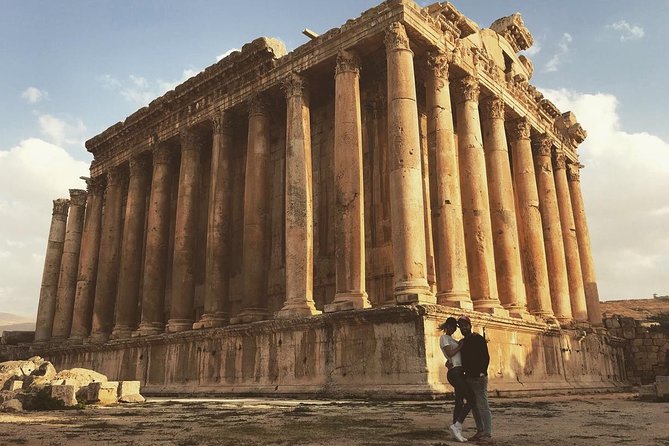
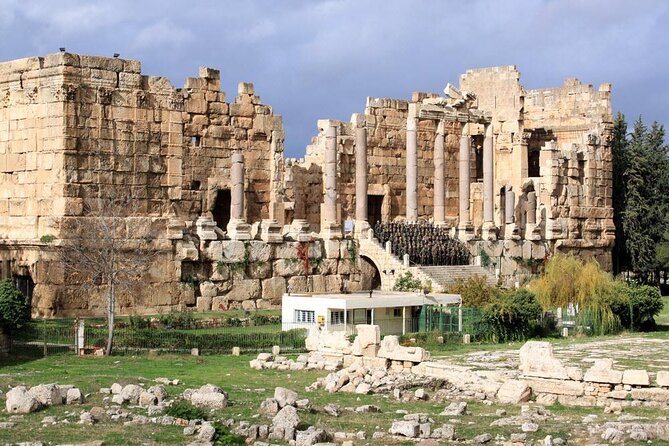
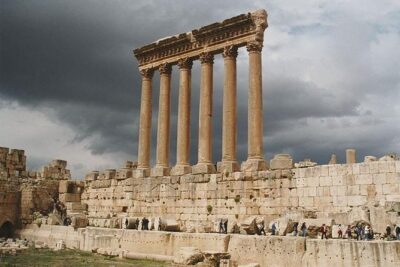
Now for the main event for many people, Baalbek Temple Complex, a UNESCO World Heritage-listed site rooted in Roman times. The setting is at the foot of the south-west slope of Anti-Lebanon, bordering the fertile Bekaa plain, at an altitude around 1150 m. That geographical context matters because it explains why this area became such a major sanctuary.
Baalbek reached its peak during Roman times, but it did not start there in the simple way your eye might assume. Pilgrims came to venerate a Romanized triad of Heliopolis, tied to the essentially Phoenician cult behind it: Jupiter, Venus, and Bacchus. When you understand that mixture, the complex stops feeling like a single Roman story and starts reading like a cultural crossroads.
You get about 1.5 hours at the temples. For me, that is the right length. Long enough to walk and orient yourself, short enough that you still feel energized and not rushed out by fatigue. The architecture is the kind that makes you slow down naturally, especially as you compare how different structures relate to each other.
The included admission fee here is valuable. Baalbek is the kind of place where delays can eat your limited time, so having access handled for you helps the day move smoothly.
The main consideration is heat and sun exposure depending on the day’s weather. If you know you burn easily, plan to use sunscreen and wear a hat during this portion.
Sayyida Khawla Shrine and the Stone of the Pregnant Woman
After the big Roman structures, the itinerary shifts into two smaller stops that add spiritual meaning and historical texture.
First is the Sayyida Khawla Shrine, a mosque area erected on a site believed to be Khawla’s burial place. The story is tied to Sayyida Khawla being the daughter of Imam al-Hussein, the grandson of the Prophet Muhammad, as remembered in local belief. People of Baalbek say that during the caravan of captives of Karbala passing through, Khawla died and was buried there. Even if you keep your expectations flexible on how these traditions developed, it helps to hear the local narrative because it explains why this spot matters to people today.
This stop is short, around 5 minutes, so treat it as a respectful pause rather than a prolonged exploration. Dress and behavior should match the fact that it is a religious site.
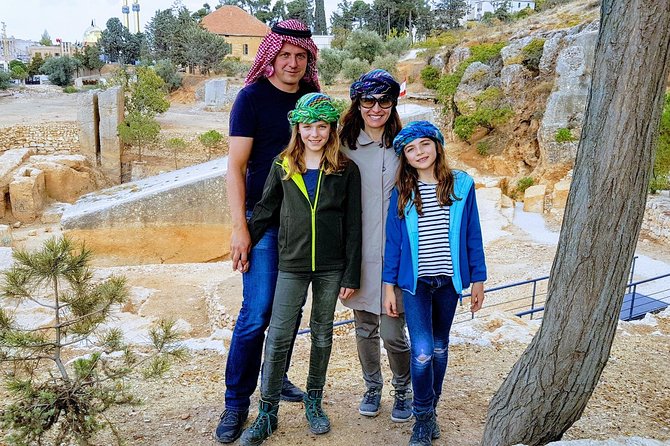
Then you visit the Stone of the Pregnant Woman, a worked Roman monolith and one of the largest stones ever quarried. It is paired with another huge block nearby, and together they were likely intended for the temple complex. The key idea here is the monolithic gigantism, Roman-scale ambition expressed in massive stone form.
You’ll have about 30 minutes for this area. That is enough time to take photos, read the context you can, and understand why people still talk about these stones as more than just ruins. Standing near something that large makes the Roman building campaign feel less abstract.
Because the stops here are shorter, the benefit is that they add variety without dragging. You go from sweeping temple architecture to a concentrated focus on specific artifacts and local faith stories.
What You Get For the Price: Value Over Ticket Math
The price is $100 per person, and the biggest value lever is that admission fees are included plus you get hotel pickup, private transportation, and professional local guides. It is not just about having someone drive you. You’re paying for guided time at multiple major sites.
If you were to piece this together on your own, the cost tends to rise quickly once you factor in transport, paid entry points, and the time you spend figuring out schedules. This tour trades your planning time for a set day structure, which is a fair exchange if you want to maximize sight quality.
Also, the private format is part of the value. A day with a group bus can be okay, but it often turns into waiting, following, and rushing. Here, you’re in charge of your own group experience, even if you still follow the itinerary flow.
The one item not included is lunch. That’s the main thing to handle yourself. I’d budget a meal strategy: either stop for food in transit (if your driver can suggest options) or eat before the tour begins and bring small snacks you can manage easily.
Who This Tour Fits Best
This tour is a great match if you want a guided day that covers two of Lebanon’s most important historic sites without turning into a DIY project. It is especially good for people who like history explanations, not just photos.
It also suits couples, friends, and small groups who prefer private guiding and private transport. If you have specific questions about Phoenician origins, Roman building methods, or what you’re seeing at the sites, the private format helps.
If you hate long days, this might not be for you. It’s about 10 hours, and you’re moving across different areas of the region. If you prefer a calmer pace, consider splitting it into separate visits.
My Booking Verdict: Yes, If You Want a Guided Two-Site Day
Should you book it? If your goal is to see Byblos and Baalbek in one coherent day with the “why” behind the ruins, I think it’s a strong choice. The included admissions, hotel pickup, air-conditioned transport, and private guides remove the stress that often ruins full-day itineraries.
I’d book it when: you value guidance, you want to make the most of limited time in Beirut, and you’re okay handling lunch on your own.
I’d hesitate if: you dislike long walking stretches, you want a slow shopping experience in the souk, or you’re hoping for a built-in meal stop. Plan your food, wear good shoes, and you’ll get a day that feels worth every hour.
FAQ
What is the duration of the Byblos and Baalbek private tour?
The tour runs for approximately 10 hours.
How much does the tour cost per person?
The price is $100.00 per person.
Is pickup from my Beirut hotel included?
Yes, hotel pickup and drop-off are included.
Are admission fees included for Byblos and Baalbek?
Yes. Admission fees are included for the stops that require tickets.
Is lunch included in the tour price?
No, lunch is not included.
What time does the tour start?
The start time is 7:30 am.
Is this tour truly private?
Yes. It is a private tour, and only your group participates.
Do I need to bring a ticket?
You will receive a mobile ticket.
How does cancellation work?
Free cancellation is available up to 24 hours in advance for a full refund.
Newest Beirut write-ups
- Small Group Tours to Jeita Grotto and Byblos with tickets★ 5.0 · 3 reviews
- Small-Group Tour with Lunch to Jeita Grotto, Byblos and Harissa★ 4.5 · 3 reviews
- Small-Group Tour to Sidon, Tyre and Maghdouche with Lunch and Tickets★ 4.5 · 3 reviews
- Small-Group Tour with Lunch to Baalbek, Anjar and Ksara★ 5.0 · 3 reviews
- Beirut to Sidon, Tyre and Maghdouché: Daily Tours with Lunch★ 5.0 · 3 reviews
- Beirut to Qadisha Valley, Bcharri & Cedar: Daily Tours with Lunch★ 4.5 · 3 reviews
- Private Tour: Tyre, Sidon and Maghdouche Day Trip from Beirut★ 4.5 · 3 reviews
- Exploring Beirut’s Past: A Private Guided Historical Tour★ 5.0 · 3 reviews
Baalbek & Anjar Tours, compared.

Guided Small-Group Tour to Baalbek, Anjar and Ksara with Lunch
Read our review →
Anjar, Baalbek & Ksara Day Trip – With Lunch (4G on Board)
Read our review →
Private Anjar and Baalbek Tour from Beirut with Departure Ticket
Read our review →
Guided Private Full Day Tour to Baalbek, Anjar and Chateau Ksara
Read our review →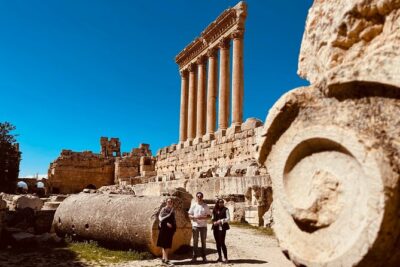
Lebanon tour Baalbek ruins & Ksara w/pick-up, lunch,guide+entries
Read our review →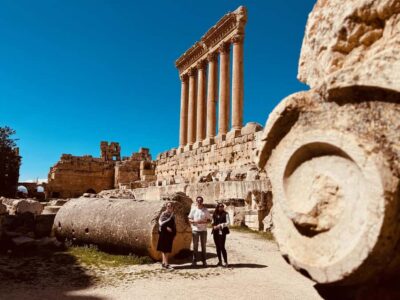
Baalbek Temples & Ksara Caves w/pick-up,guide, entries+lunch
Read our review →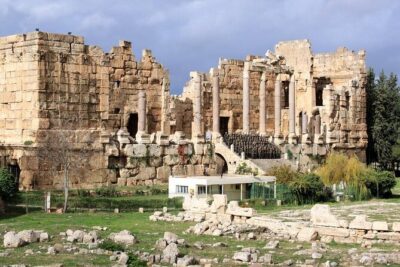
Small Group Tours to Baalbek, Anjar & Chateau Ksara with lunch and Tickets
Read our review →Browse the lists this tour appears in