
Reviewed · WINE TOURS
Full-Day Private Wine Tasting Tour
A day trip from Beirut into the Beqaa Valley is interesting because it trades city time for grape-growing country, starting with major producers and ending with the kind of tastings that help you actually tell Lebanese styles apart. I like that this is built around three focused stops, so you get a real comparison instead of a rushed photo tour.
My other big love is the comfort angle: hotel pickup and drop-off in an air-conditioned private vehicle makes the long drive feel painless. The one drawback to factor in is that winery admissions may cost extra since admission tickets are listed as not included at the stops, so you will want a little cash or card ready on the day.
Key things to know before you go
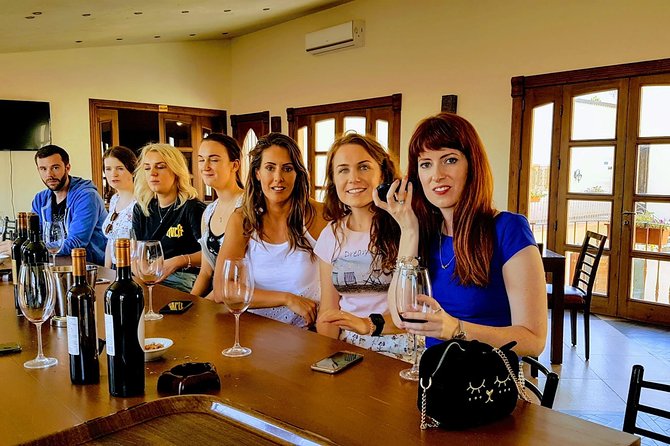
- Three wineries, not one, so you compare reds, whites, rosé, sweet fortified wines, and arak across producers
- Chateau Ksara includes a cavern visit, which gives the day more than just a tasting room
- Terraced, high-altitude viticulture at Kefraya, with vines planted around 1,000 meters above the Mediterranean
- Arak is part of the tasting story, with St Thomas connected to Lebanon’s national drink
- Private, chauffeur-style transport, plus a tour leader and pickup, for a smoother day from start to finish
Beirut To Beqaa, A Private Wine Day That Actually Feels Relaxed
This is a full-day private wine tasting tour that runs about 8 hours, starting around 9:00 am. The main reason it works well is simple: the touring is done for you. You get a tour leader, you ride in an air-conditioned chauffeured vehicle, and you do round-trip hotel transfers, which matters in Lebanon when timing and traffic can otherwise eat up your day.
You should also know that this is set up as a private experience, meaning it is just your group in the vehicle. That is a big deal if you want time to ask questions, pause for a view, or take things at your own pace rather than matching the rhythm of a bigger crowd.
The Beqaa Valley itself is the draw. You are heading to Zahle and beyond, into one of the world’s oldest wine-producing regions, where grape cultivation is tied to very early viticulture traditions. Even if you only know Lebanese wine from supermarket bottles, this kind of setting gives context fast. You start thinking about temperature swings, slope farming, and the logic behind each winery’s style.
Other days out of Beirut to consider
- Lebanon Wine Tasting Tour From Beirut
★ 4.5 · 25 reviews - PRIVATE Wine Tasting Tour to the Bekaa Valey Fabulous Wineries
★ 5.0 · 7 reviews - Beirut Street Food Tour, Lebanon
★ 5.0 · 3 reviews
Entering Chateau Ksara, Founded in 1857 and Famous for Its Dry Wine
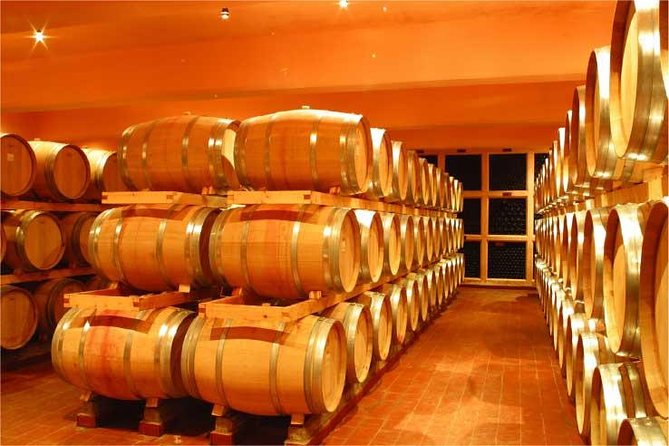
Your first stop is Château Ksara, one of Lebanon’s most established names. It was founded in 1857 by Jesuit priests, and it is known for developing the first dry wine in Lebanon. It is also described as Lebanon’s oldest and largest winery, producing roughly 3 million bottles annually and exporting to over 40 countries. Even if you do not care about production numbers, those facts help you understand why Ksara feels polished and internationally minded.
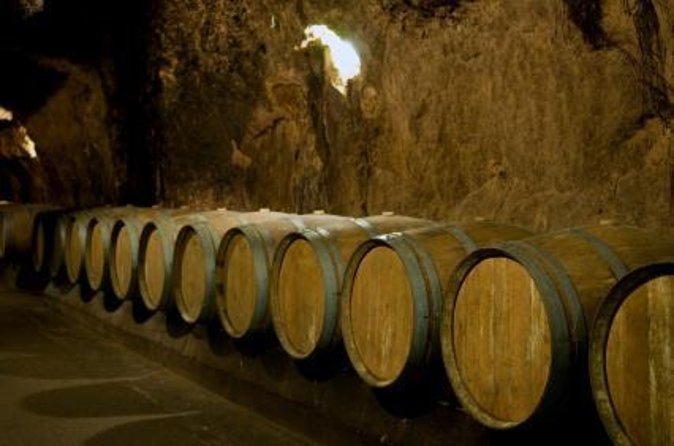
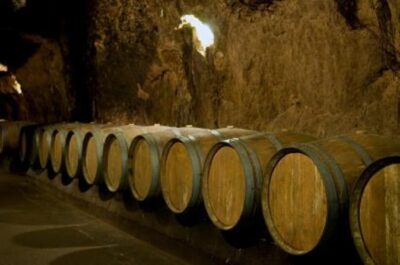
What makes this stop more than just tasting is the cavern experience. The tour specifically includes a visit to the caverns of Chateau Ksara, which is where the winery’s story becomes physical. Wine ages in caves because the environment is naturally stable. You might not think about humidity and temperature until you see the space and hear how it’s used, but that connection is often what turns tastings from a simple taste test into real learning.
Plan on about 1 hour at Ksara. Admission is noted as not included, so if you want to avoid any surprises, set aside a separate budget for entrance fees.
One practical tip: if you are doing three tastings in one day, pace yourself right away at Ksara. Start with the lighter style, take notes as you go, and keep water handy whenever possible. When you get to the later stops, you will enjoy the comparisons more.
Chateau Kefraya in the Terraced Slopes, Where Altitude Shapes the Grapes
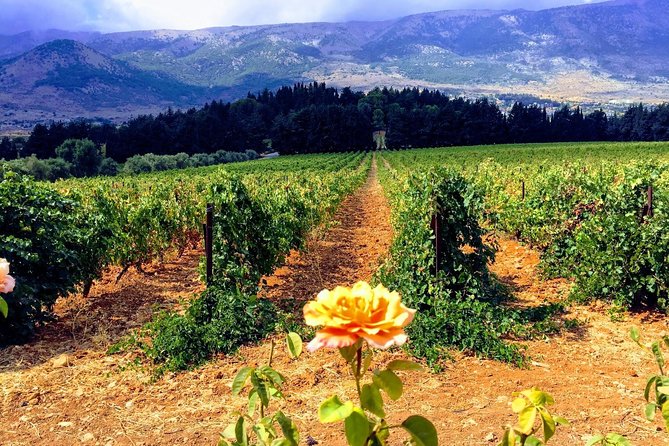
Next up is Château Kefraya, set in the Beqaa Valley on terraced slopes. This is where you start learning that Lebanese wine is not just one uniform taste. The winery covers 300 hectares, and the vines grow around 1,000 meters above the Mediterranean Sea. That altitude is important because temperature and ripening timing affect flavor development and acidity.
Kefraya is also described as using a blend approach with a wide range of grape varieties. The vines are trellised, with planting density around 4,000 vines per hectare. Even without getting too technical, you can sense the effect of precision farming. The terracing and spacing are not just scenic, they help the vines manage sun exposure and airflow.
The other detail that stands out is the day-to-night temperature variation. The tour information points out that these swings support optimal ripening conditions. In plain terms, you can often taste the result as brighter structure in the glass, especially in whites and rosé.
Expect about 1 hour here, again with admission tickets not included.
A balanced way to approach Kefraya is to treat it like your second data point of the day. If Ksara teaches you how a major, export-oriented winery expresses style, Kefraya can help you understand how terrain and temperature shape that style. That mental switch makes later tastings much more interesting.
Chateau St Thomas and the Arak Link You Actually Get to Taste
The final winery stop is Château St Thomas, a smaller but very story-focused estate established in 1990 by Saïd Touma and his family. It sits on a hill overlooking the Beqaa Valley, and it includes a winery site for fermentation and aging, spread across about 65 hectares.
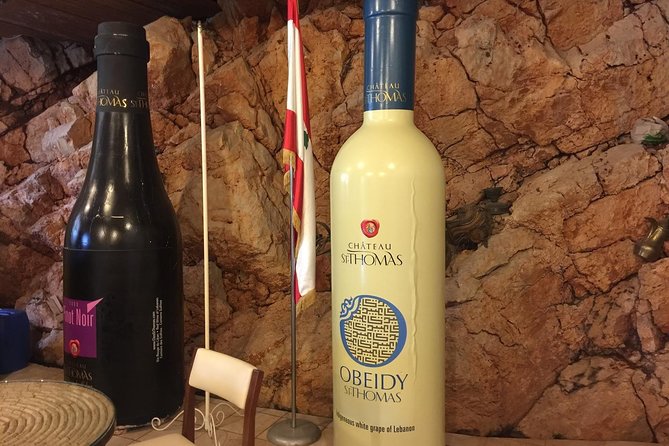
Here, the standout detail is the arak connection. The tour info highlights that Saïd Touma had more than 55 years of experience in distillation and fermentation of grape juice, and that he inherited the legacy of producing arak, Lebanon’s national drink, then passed it to his son Joe-Assaad. So when arak shows up later in your tasting, it is not just a random add-on. It is connected to a specific family craft and decades of know-how.
You spend about 1 hour at this stop, with admission tickets not included.
This is also a great moment to slow down. If you are planning to try arak and sweet fortified wines too, those can shift how your palate reads later flavors. You will likely enjoy the day more if you keep your water and snack strategy steady, and if you focus on differences rather than judging everything against your first glass.
A different spoke from Beirut:
- Guided Small-Group Tour to Baalbek, Anjar and Ksara with Lunch
★ 5.0 · 511 reviews - Guided Small-Group Tour to Jeita, Harissa, Byblos with Lunch
★ 5.0 · 361 reviews - Paragliding Trip Over Lebanon – Jounieh Bay
★ 5.0 · 257 reviews - Jeita Grotto,Harissa&Byblos Full-Day PRIVATE-CAR Trip from Beirut
★ 5.0 · 222 reviews
What You Taste, From Dry Wines to Sweet Fortified Styles and Arak
This tour is built around tasting Ksara’s red, white, rosé, sweet fortified wines, and arak. That mix matters. You are not only sampling three categories of table wine, you are also getting a chance to understand how Lebanon uses different approaches, including fortified sweetness and distillation traditions.
Here is how I would frame it for your planning:
- If you love food-friendly dry wines, the reds and whites will likely do the heavy lifting. Watch for how the wineries express acidity and fruit, not just sweetness or tannin.
- If you like variety, rosé on a wine day trip gives you a quick reset between heavier styles.
- If you want to understand Lebanese identity beyond wine, arak gives you that cultural bridge. It is a chance to taste something that is not just “wine adjacent,” but a national drink tied to distillation craft.
Also, because wines are described as distributed internationally, you can think of this day as a bridge between what you buy abroad and how it tastes in context at the source. That does not mean it will match your expectations exactly, but it usually helps you learn why certain bottles have a consistent style.
If you are sensitive to alcohol or do not drink much, you can still enjoy the visit. Just make a plan to go slowly, take water breaks, and remember that tastings can add up quickly across three stops.
Lunch and Timing, How to Make This 8-Hour Day Work for You
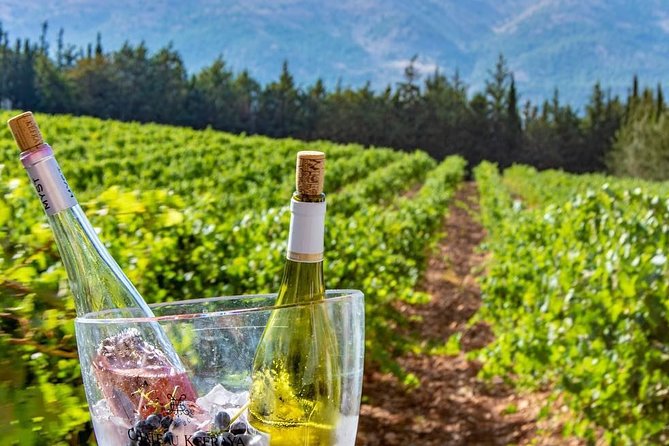
Lunch is not included, but you do have an on-site restaurant option where you can eat regional delicacies at your own expense. This is a good setup, because it lets you choose what fits your appetite and your budget after tastings.
Because the day runs about 8 hours and each winery stop is around an hour, your schedule is likely tight enough that you do not want an overly long meal. My advice: eat something filling but not heavy, especially if you plan to try arak or sweet fortified wines. Your goal is to keep your palate fresh, not to crash after dessert.
Another practical thing to consider is what you do before you leave Beirut. Start with water, have a light snack, and avoid planning anything too intense right after your return. With multiple tastings and a long drive, you will want a calm evening.
Finally, pack like you are going into the countryside. Even when the day is comfortable, winery settings can feel cooler than the city, and you may want a light layer.
Price and Value, What You’re Actually Paying For
The price is $104.17 per person for the full day. That is not a bargain price, but it is also not a luxury pricing tier. The best way to judge value here is to look at what is included versus what is on you.
Included:
- Private comfortable transportation in an air-conditioned vehicle
- Hotel pickup and drop-off
- Tour leader
- The main tasting experience across multiple wineries
Not included:
- Lunch
- Admission tickets noted as not included at the stops
So you are paying mainly for convenience and structure. If you tried to do this on your own, you would likely spend time figuring out drivers, timing between wineries, and how to manage the day without it turning into stress. Here, your transportation and sequencing are handled, and you get a guide to help translate what you are seeing and tasting.
If you are traveling as a couple or small group, private transport usually feels even better value because you are not splitting just a taxi ride, you are paying for an entire day of driving and coordination.
Who This Tour Suits Best in Beirut, and Who Might Skip It
I think this tour is a strong fit if:
- You want one day to understand Lebanese wine through multiple stops, instead of repeating the same tasting room experience three times
- You prefer private, chauffeured comfort, especially with a pickup and drop-off that saves you from navigating timing
- You are curious about more than wine, and you genuinely want to taste arak in a winery context
- You like learning details like how altitude, terraces, and temperature swings influence what ends up in the glass
I would hesitate if:
- You are trying to keep costs super low, because admission and lunch add extra
- You have zero interest in tastings across different styles (the tour is built around variety and comparison)
- You are easily overwhelmed by multiple alcohol tastings in one day, even with pacing
Should You Book the Beqaa Valley Wine Tasting Tour From Beirut?
Book this tour if you want a smooth, guided wine day that turns the Beqaa Valley into something you can taste, not just see. The three-stop structure helps you learn how Lebanon varies from one producer to the next, and the inclusion of Ksara’s caverns plus arak at St Thomas gives the day real substance.
I would book with a simple mindset: plan for extra onsite admissions, eat a proper meal or snack before and during the day, and go in curious, not picky. If you do that, you will likely come away with a clearer idea of what you enjoy and what each winery is trying to express.
FAQ
How long is the full-day private wine tasting tour from Beirut?
The tour duration is approximately 8 hours.
What is included in the tour price?
The tour includes private transportation with an air-conditioned vehicle, hotel pickup and drop-off, a tour leader, and the wine tasting day experience across the stops.
Is lunch included?
No, lunch is not included. There is an on-site restaurant where you can buy regional delicacies at your own expense.
Do I need to pay admission tickets at the wineries?
Admission ticket(s) are listed as not included, so you should expect there may be separate entrance fees at the stops.
What wines and other drinks are part of the tasting?
You can taste red, white, rosé, sweet fortified wines, and arak.
Is this tour private or shared with other groups?
It is a private tour, so only your group participates.
Newest Beirut write-ups
- Small Group Tours to Jeita Grotto and Byblos with tickets★ 5.0 · 3 reviews
- Small-Group Tour with Lunch to Jeita Grotto, Byblos and Harissa★ 4.5 · 3 reviews
- Small-Group Tour to Sidon, Tyre and Maghdouche with Lunch and Tickets★ 4.5 · 3 reviews
- Small-Group Tour with Lunch to Baalbek, Anjar and Ksara★ 5.0 · 3 reviews
- Beirut to Qadisha Valley, Bcharri & Cedar: Daily Tours with Lunch★ 4.5 · 3 reviews
- Beirut to Sidon, Tyre and Maghdouché: Daily Tours with Lunch★ 5.0 · 3 reviews
- Exploring Beirut’s Past: A Private Guided Historical Tour★ 5.0 · 3 reviews
- Private Tour: Tyre, Sidon and Maghdouche Day Trip from Beirut★ 4.5 · 3 reviews
Wine Tours, compared.
Guided Small-Group Tour to Baalbek, Anjar and Ksara with Lunch
Read our review →
Anjar, Baalbek & Ksara Day Trip – With Lunch (4G on Board)
Read our review →
Guided Private Full Day Tour to Baalbek, Anjar and Chateau Ksara
Read our review →
Lebanon tour Baalbek ruins & Ksara w/pick-up, lunch,guide+entries
Read our review →
Baalbek Temples & Ksara Caves w/pick-up,guide, entries+lunch
Read our review →
Small Group Tours to Baalbek, Anjar & Chateau Ksara with lunch and Tickets
Read our review →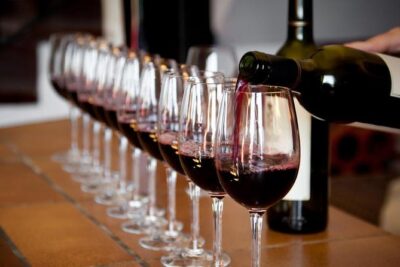
Browse the lists this tour appears in