
Reviewed · JEITA GROTTO TOURS
Full-Day Private Trip to Jeita Grotto, Baalbek and Chateau Ksara
What makes this full-day private trip interesting is the combo of underground caves, colossal Roman ruins, and a Beqaa Valley winery stop, all stitched together with a driver so you can focus on the sights. I love how you get door-to-door private transfers and a real guide, not a sketchy map and hope plan. I also like the balance of self-paced time at Jeita with guided storytelling at Baalbek.
One consideration: it is a long day, and the tour pricing does not include entrance fees or lunch, so you should budget extra for tickets and a meal.
Key points that make this day trip worth your time
- Jeita Grotto, limestone caves with a boat segment and walking routes in a complex formed over millions of years
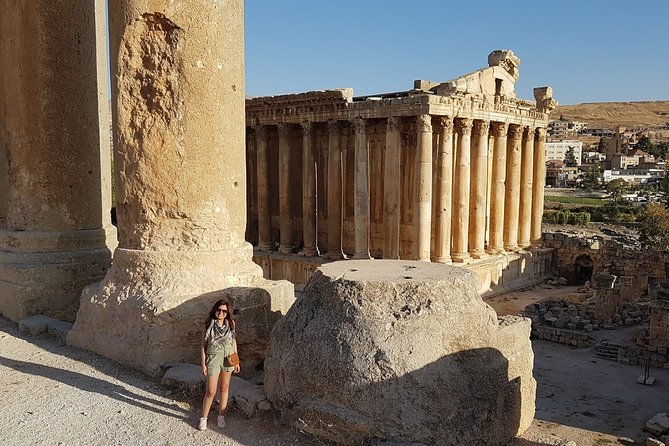
- Baalbek’s Roman temples including the Temple of Jupiter and Temple of Bacchus, a UNESCO World Heritage site
- Local expert in Baalbek to help you read the site instead of just snapping photos
- Château Ksara winery visit with a tour and wine tasting from a winery founded in 1857
- Door-to-door private car from Beirut, saving you navigation stress for a big day
Why Jeita Grotto, Baalbek, and Château Ksara work as one 9-hour route
If you only have one full day and you want Lebanon to feel like Lebanon, this route makes sense. You start with a cave system that is practically built for awe, move to one of the most dramatic Roman archaeological sites in the region, and finish with French-style Lebanese wines at Château Ksara.
The best part is how the day is paced around what you need at each place. Jeita is about time on your feet, seeing formations up close, and enjoying the boat-and-walk flow. Baalbek is about scale and context, which is where having a local expert matters. And Ksara is the palate reset, with a winery visit that keeps the day from feeling like nonstop sightseeing.
Other days out of Beirut to consider
- Jeita Grotto,Harissa&Byblos Full-Day PRIVATE-CAR Trip from Beirut
★ 5.0 · 222 reviews - Private Anjar and Baalbek Tour from Beirut with Departure Ticket
★ 5.0 · 79 reviews - Guided Private Full Day Tour to Baalbek, Anjar and Chateau Ksara
★ 5.0 · 60 reviews
Price and value: what $69.45 per person gets you, and what costs extra
At $69.45 per person for an approx 9-hour private outing, this is priced like a practical day plan, not like a full luxury package. What you get that adds real value:
- Hotel pickup and drop-off
- Comfortable air-conditioned private transport
- A tour leader and a local guide specifically for Baalbek
- Wine tasting included with the Château Ksara stop
What is not included:
- Lunch
- Entrance fees, including Jeita Grotto (and several Baalbek temple site items)
So the value equation is simple. If you like the idea of having transport and guide help bundled into one day, you are set. If you prefer to control every detail yourself, you might end up spending time on logistics and potentially paying similar ticket costs on top.
Tip: because entrance fees and lunch are extra, I budget a bit of cash beyond the listed price. It keeps the day stress-free.
Door-to-door logistics from Beirut, and how to make the day feel smooth
The tour starts at 8:30 am, which is early enough to get out of Beirut before the day heats up and crowds thicken. The private car approach is the point here. You do not have to figure out routes, parking, or where to meet. You also avoid the awkward “stand and wait” problem that shows up on group tours.
In the real world, the difference shows up in small things:
- You spend your time looking at limestone formations and stone blocks, not staring at your phone
- Your Baalbek guide can pace stops so you are not rushing through the big moments
- You can ask questions as you travel, not only when you arrive
A note from past experiences with this operator: guides such as Hassan, Makram, Kaleeb, and Kimal have a reputation for being on time and professional, with clear explanations. That kind of guiding helps a lot in a site as huge as Baalbek.
Stop 1, Jeita Grotto: boat, then walk, then the real wow factor
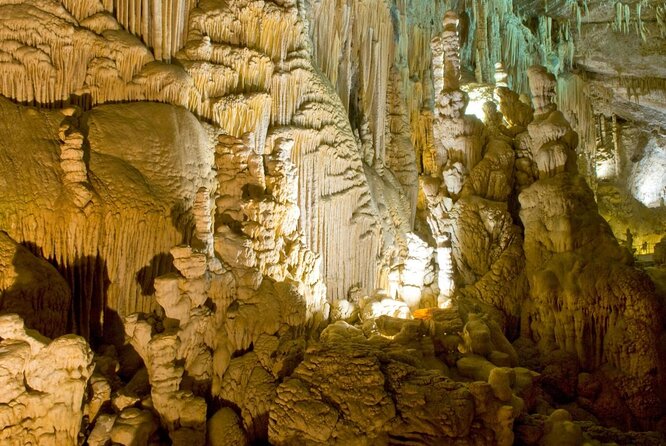
Jeita Grotto is a karstic limestone cave complex with two connected sections. It is described as the longest cave complex in the Middle East, and the numbers give you a feel for why people get emotional here. The upper cave stretches about 2,130 meters. The lower gallery runs about 6,200 meters and includes a smooth underwater river and a lake. The vertical difference between upper and lower is about 305 meters.
You will spend about 1 hour 30 minutes here. The day flows in two modes:
- A boat portion, which helps you see scale in a way that walking alone cannot
- Walking around the upper and/or accessible areas, where you spot formations like stalactites, stalagmites, columns, “mushroom” shapes, and draperies
What I like about Jeita in a tour like this is that it is not just a checklist stop. The boat segment is a natural rhythm change, and once you step out to walk, you can slow down and look at textures.
Possible drawback: caves are still walking time. If your legs are not in love with stairs or uneven surfaces, you might want to go steady, wear grippy shoes, and keep water handy for after the cave time.
A different spoke from Beirut:
- Guided Small-Group Tour to Baalbek, Anjar and Ksara with Lunch
★ 5.0 · 511 reviews - Guided Small-Group Tour to Jeita, Harissa, Byblos with Lunch
★ 5.0 · 361 reviews - Paragliding Trip Over Lebanon – Jounieh Bay
★ 5.0 · 257 reviews - First Paragliding Club in Lebanon – Since 1992
★ 5.0 · 193 reviews
Stop 2 and beyond in Baalbek: reading the Roman temples instead of just photographing them
Baalbek is where the day pivots from nature to ancient power. The Baalbek temple complex includes two of the grandest Roman temple ruins in the region, the Temple of Bacchus and the Temple of Jupiter, and the whole complex is a UNESCO World Heritage site (inscribed in 1984).
This site is famous for size, yes, but it is also about design and belief systems. In Roman times, the sanctuary at Heliopolis drew thousands of pilgrims. The religious triad is key: Jupiter, Venus, and Bacchus. Knowing that helps you interpret what you are seeing instead of treating every block as generic “ruins.”
The Temple of Jupiter: the biggest Roman temple, and a story told in stone
The Temple of Jupiter is described as the largest temple dedicated to Jupiter in the Roman world. It is located at the western end of the Great Court, built on a raised platform. Work likely began around 16 BC and was nearly complete by about AD 60.
Even the design details make it feel engineered for awe. Three foundation stones are noted as among the heaviest blocks used in construction. This is one of those places where you will notice your brain switching from “museum mode” to “how did they move that?” mode.
The Temple of Bacchus: one of the best preserved, with ornamentation you can actually notice
Temple of Bacchus is among the best preserved and grandest Roman temple ruins at Baalbek. Ornamentation is noted as dating to the second century CE, which is helpful if you like anchoring what you see to a time period.
In practical terms, this is the kind of stop where a local guide matters. They can point out details you might miss at first glance, especially when the site is busy with other visitors and your attention is pulled by giant columns.
The Temple of Venus and the smaller stops that add texture
The Temple of Venus, built in the third century, has a horseshoe-shaped platform and a circular shrine with a square entrance. The outer façade includes five niches, and the niche details, including representations of doves and shells, connect to how the shrine is interpreted.
You also have short time for a couple of culturally important nearby stops, not just the main temples. For example:
- The Mosque of Sayeda Khawla, built on the site believed to mark the burial of Sayyida Khawla, the daughter of Imam al-Hussein
- The Stone of the Pregnant Woman, a worked Roman monolith, paired with another massive block, thought to relate to the nearby temple complex
Those stops help the day feel Lebanese, not only Roman. You see layers, not a single time capsule.
Practical consideration: Baalbek is big. Even with a local guide, you will be moving from spot to spot. I recommend a slow, curious pace. If you feel rushed, you miss the point.
Château Ksara in the Beqaa Valley: wine tasting with real roots
After Baalbek, you head to Château Ksara in the Beqaa Valley. This is not some anonymous tasting room. The winery was founded in 1857 by Jesuit priests, and it is described as having developed the first dry wine in Lebanon.
Château Ksara produces around 3 million bottles annually and exports to over 40 countries. That matters because it tells you this is a working wine house with a long-running reputation, not just a stop for tourists to check off.
Your visit runs about 45 minutes, with a tour and a wine tasting. The day’s biggest win here is that the tasting gives your senses a reset after Roman stone and cave humidity.
One more thing: the winery stop is listed with admission ticket not included, yet the tour overview says the package includes wine tasting and excludes entrance fees. In plain terms, you should expect your wine tasting is covered, but the on-site ticket framing can vary. If you want zero surprises, confirm what is covered in your voucher before the day begins.
Timing, walking, and what to wear for a cave, then ruins, then a winery
This day is not physically extreme, but it is a lot of “different surfaces” in one shot. Jeita has cave walking and a boat segment. Baalbek has uneven ancient stone paths and lots of stairs or ground-level variations. Then you are back in a car, into a winery setting.
So I plan like this:
- Wear shoes with grip
- Bring a light layer for cave conditions, since you are indoors and the temperature can feel different than Beirut
- Pack sun protection for the drive and for Baalbek’s open-air portions
- Bring a small water bottle for the gaps between stops
Also, since lunch is not included, plan how you will handle food. If you skip it, the day starts to feel longer and less fun. If you eat lightly and smart, you keep energy for the best photo angles at Baalbek and a calmer tasting at Ksara.
What it feels like on the ground: private guide energy makes the day better
A big reason this tour lands well is how the guidance is split. Jeita is set up for you to explore on your own for parts of the time, which is great because you are not being herded. Baalbek is where the guide takes the wheel, and that is the difference between seeing columns and understanding why people traveled to worship there.
In earlier experiences with this company, guides like Hassan and Kaleeb have been described as professional, patient, and informative. Others like Ahmad and Makram show up in feedback as friendly and helpful. When that guiding style is there, it keeps a long day from feeling like you are being rushed through history.
Even if you are not a “ruins person,” you will likely enjoy Baalbek more because you understand what the triad means and you can connect the temple spaces to how Heliopolis functioned during Roman times.
Who should book this private Jeita Grotto, Baalbek, and Ksara day trip
This is a great fit for you if:
- You want to see Jeita Grotto and Baalbek in one long day without driving yourself
- You like ancient sites but also appreciate explanation, especially at Baalbek
- You drink wine or even just like learning about local winemaking, since the stop includes tasting
- You value door-to-door pickup, especially if Beirut traffic and parking are not your idea of fun
It may not be ideal if:
- You hate long days or you get cranky after hours in a car
- You want lunch included and pre-planned stops with set restaurants
- You prefer to explore at a slow pace with minimal structure
Should you book it? My decision guide
Yes, book it if you want maximum “Lebanon highlights” per day with private logistics and guide help where it counts. The cave plus UNESCO Roman temples plus a winery tasting is a rare combo that still feels balanced, not jammed.
Before you book, do two quick checks:
- Budget for entrance fees and lunch so you do not feel surprised
- Bring comfortable shoes and plan your pace for Baalbek’s big walking day
If those boxes work for you, this is the kind of day trip that makes Beirut feel like a base, not a cage.
FAQ
What is the start time for this tour?
The tour starts at 8:30 am.
How long is the full-day private trip?
It lasts about 9 hours.
Is hotel pickup and drop-off included?
Yes. The package includes hotel pickup and drop-off.
Is lunch included?
No. Lunch is not included.
Are entrance fees included?
No. Entrance fees are excluded (the tour notes that Jeita Grotto admission is not included, and the package excludes entrance fees overall).
What is included with Château Ksara?
Your package includes wine tasting, and the Château Ksara visit is about 45 minutes.
What is the cancellation policy?
You can cancel for a full refund up to 24 hours in advance of the experience’s start time. If you cancel less than 24 hours before, the amount paid is not refunded.
Newest Beirut write-ups
- Small Group Tours to Jeita Grotto and Byblos with tickets★ 5.0 · 3 reviews
- Small-Group Tour with Lunch to Jeita Grotto, Byblos and Harissa★ 4.5 · 3 reviews
- Small-Group Tour to Sidon, Tyre and Maghdouche with Lunch and Tickets★ 4.5 · 3 reviews
- Small-Group Tour with Lunch to Baalbek, Anjar and Ksara★ 5.0 · 3 reviews
- Beirut to Qadisha Valley, Bcharri & Cedar: Daily Tours with Lunch★ 4.5 · 3 reviews
- Beirut to Sidon, Tyre and Maghdouché: Daily Tours with Lunch★ 5.0 · 3 reviews
- Exploring Beirut’s Past: A Private Guided Historical Tour★ 5.0 · 3 reviews
- Private Tour: Tyre, Sidon and Maghdouche Day Trip from Beirut★ 4.5 · 3 reviews
Jeita Grotto Tours, compared.
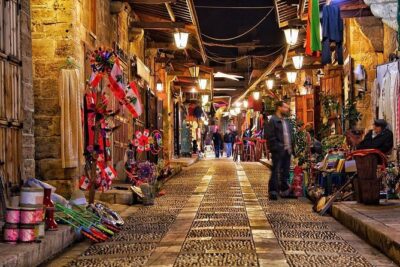
Guided Small-Group Tour to Jeita, Harissa, Byblos with Lunch
Read our review →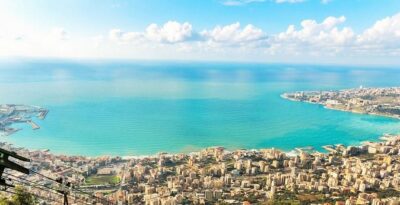
Jeita Grotto,Harissa&Byblos Full-Day PRIVATE-CAR Trip from Beirut
Read our review →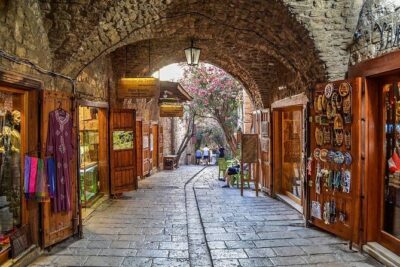
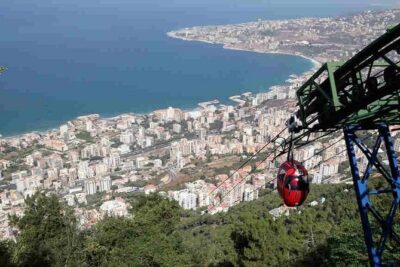
Byblos, Jeita Grotto & Harissa Day Trip -With Lunch (4G on Board)
Read our review →
Semi-Private Tour to Jeita Grotto, Harissa & Byblos with Lunch
Read our review →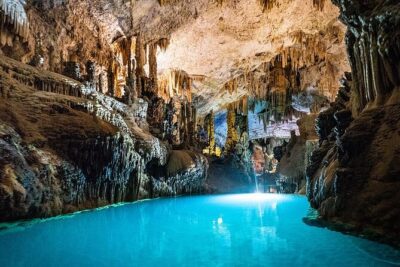
Small Group Tour to Jeita Grotto, Harisa & Byblos with Hotel pickup
Read our review →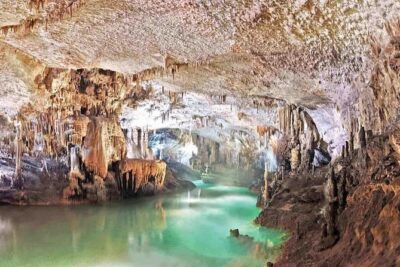
Private Guided Tour to Jeita Grotto through Harissa and Byblos
Read our review →
New Guided Semi-Private Tour to Jeita Grotto, Harissa & Byblos
Read our review →Browse the lists this tour appears in