
Reviewed · JEITA GROTTO TOURS
Exclusive Journey to Jeita Grotto, Harissa, and Byblos
Beirut has traffic, and self-driving in Lebanon can feel like a sport you did not sign up for. This private route is interesting because it wraps three major stops, Jeita Grotto, Harissa, and Byblos, into one easy day, without forcing you to bounce between buses or taxis.
I like that you get door-to-door pickup and drop-off in an air-conditioned private vehicle, then you explore on your own schedule at each site. I also like how the plan is built around variety, from caves and sea views to Phoenician-era streets.
One thing to plan for: the big-ticket entrances are not included. Jeita Grotto, Téléferique Harissa, and Byblos Castle have admission costs, and lunch is not included either.
Key highlights worth knowing
- Private transport only, but you still get local help in Byblos (a local guide meets you there).
- Independent time at every main stop, so you can move at your pace instead of waiting on a group.
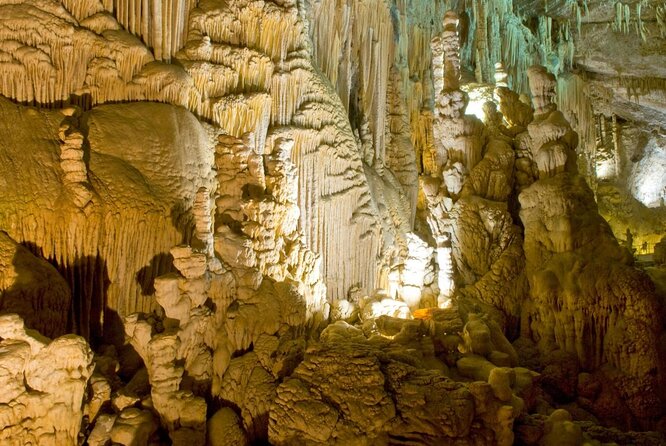
- Jeita Grotto includes both upper and lower galleries, with crystallized formations above and an underwater river below.
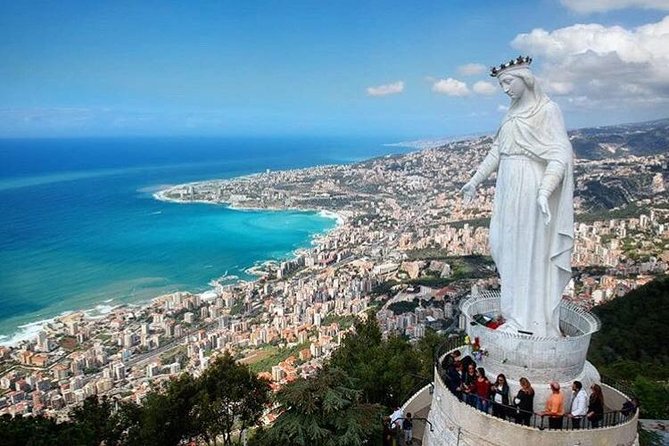
- Harissa is a full viewpoint moment, with the bronze Our Lady statue facing Beirut and the Bay of Jounieh.
- Byblos adds layers, from Phoenician alphabet connections to a restored Crusader castle and ancient port history.
- Air-conditioned comfort for a long day, starting at 9:00 am and running about 8 hours.
Why this Jeita Grotto, Byblos, and Harissa loop makes sense
This is the kind of day I love for Lebanon: big sights, efficient routing, and enough time to breathe. Instead of doing one “main attraction” and spending the rest of the day commuting, you get a logical loop that hits the cave complex, the pilgrimage hill, and then the ancient coastal city.
You’re also not stuck in a rigid group experience. You can pause longer where you care most, and you can skim what you care less about. That matters on days like this, because the effort is real, especially when you’re hopping between viewpoints, walking zones, and cave interiors.
The other smart move is the private-vehicle focus. The Beirut area around Jeita and the coast can be slow, and this tour’s whole premise is to get you out the door, into the car, and back out again with minimal fuss.
Working out your Beirut base? These pair well:
- Guided Small-Group Tour to Baalbek, Anjar and Ksara with Lunch
★ 5.0 · 511 reviews - Guided Small-Group Tour to Jeita, Harissa, Byblos with Lunch
★ 5.0 · 361 reviews - Paragliding Trip Over Lebanon – Jounieh Bay
★ 5.0 · 257 reviews
Door-to-door pickup and the driver who sets the tone
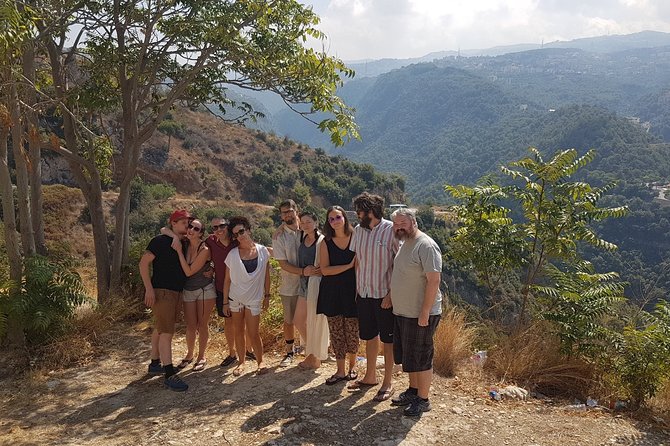
Your day starts at 9:00 am, with hotel pickup and drop-off. The vehicle is air-conditioned, and the tour keeps things simple: you ride, you arrive, you go in, you return when you choose.
From the way people talk about the service, the drivers are a big part of the experience. Names that come up include Fadi, Kassem, Hussein, and Ali, and the consistent theme is calm, professional driving plus a comfortable, not pushy attitude. One person even mentioned a slight pickup delay tied to hotel location and traffic, with a quick apology and smooth continuation after that.
That kind of pace setting is more than personality. In practice, it means you spend less time stressing about logistics, and you get your mind into sightseeing mode faster. For a day that includes cave steps, coastal walking, and a hilltop shrine area, that early ease helps.
Jeita Grotto: upper limestone caves and the lower underwater river
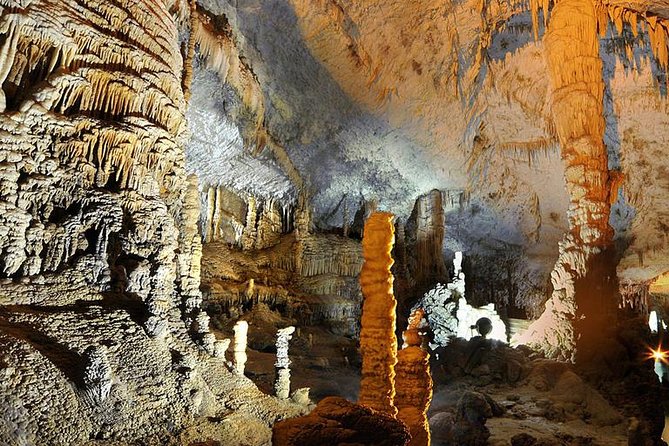
Jeita Grotto is the headline for a reason. It’s described as the longest cave complex in the Middle East, formed in karstic limestone over millions of years. What makes it special is that it’s not one cave. It’s two connected systems: the upper cave and the lower gallery.
You’ll spend about 1 hour 30 minutes here, and admission is not included. The upper cave is made for “wow” visuals: stalactites, stalagmites, columns, and formations with names that sound like they belong in a science museum. You’ll also see ponds and curtain-like draperies, which is great if you like your caves to feel theatrical, not just dark and damp.
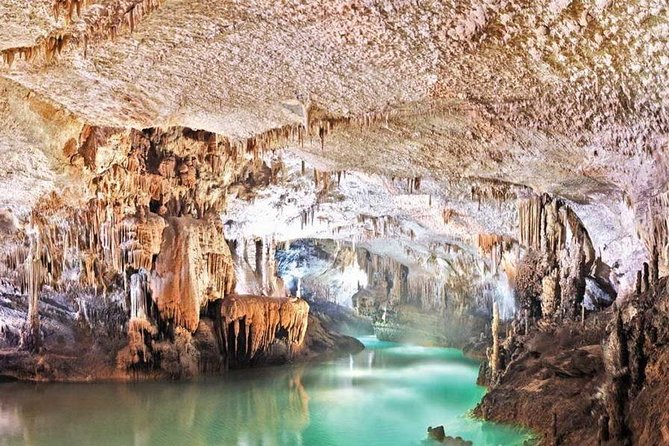
Then you drop into the lower gallery, where the experience shifts. This part is traversed by a smooth underwater river and a lake, with the lower gallery sitting about 60 meters below the upper level. That contrast is what makes Jeita more than a single photo stop. You’re seeing different cave moods in one visit.
Practical note: caves are cool and the ground can be slick. Wear shoes you trust for uneven surfaces. I’d also keep your phone accessible but protected, since you’ll want photos without handling it too much while you move.
Harissa shrine time: the bronze Our Lady statue over the Bay of Jounieh
After Jeita, the tour heads to Harissa, a key Christian pilgrimage area in Lebanon. The centerpiece is the Shrine of Our Lady of Lebanon, with a huge 15-ton bronze statue of the Immaculate Conception, Mother of God. The statue is described as 8.5 meters high, with a diameter of five meters, and Mary’s arms stretch toward Beirut and the Bay of Jounieh.
You get about 30 minutes at the shrine, and admission is free. That time is short enough to stay efficient, but long enough to get your bearings, take in the view, and look around the space calmly.
This stop is also a reminder that Harissa is not just a monument. It’s a functioning pilgrimage site, so expect a respectful atmosphere. If you enjoy religious architecture and symbolism, you’ll get a lot out of this portion, especially because the statue’s viewpoint is a major part of the experience. The Bay of Jounieh view is part of the ticket, even when the entrance itself is free.
A different spoke from Beirut:
- Jeita Grotto,Harissa&Byblos Full-Day PRIVATE-CAR Trip from Beirut
★ 5.0 · 222 reviews - First Paragliding Club in Lebanon – Since 1992
★ 5.0 · 193 reviews - Anjar, Baalbek & Ksara Day Trip – With Lunch (4G on Board)
★ 4.5 · 181 reviews - Jeita Grotto – Harissa – Byblos Trip
★ 5.0 · 169 reviews
Churches of Harissa plus the Telepherique viewpoint option
Next up is more Harissa, this time with churches around the main statue. You get about 15 minutes for the surrounding churches, and admission is also free.
The tour description highlights a 15-ton bronze and painted white Virgin Mary statue known as Our Lady of Lebanon, with her arms stretched. There’s also a small chapel inside the statue’s base, plus an adjacent cathedral built of concrete and glass. Another named sight in the area is the Byzantine-style Melkite Greek Catholic basilica of St. Paul, built starting in 1948 (the end date is not specified in the description you provided).
You do not need to read every plaque in 15 minutes. The value here is more about seeing the cluster as a whole, so you understand why Harissa draws people. Even if you only spend a short window walking around, it gives context.
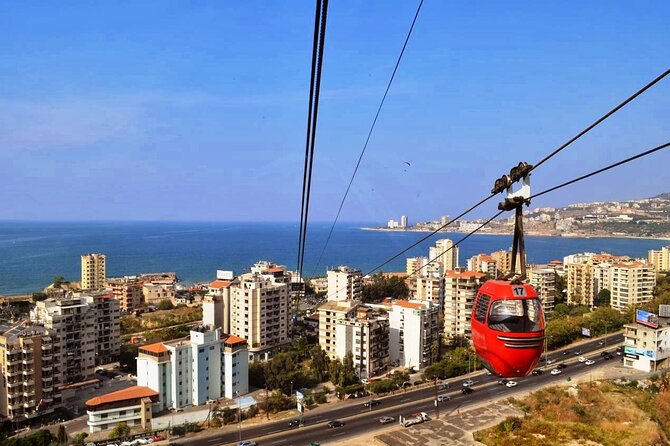
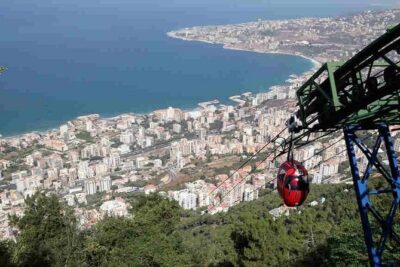
Then there’s a choice point: Téléferique Harissa. The tour includes time of about 20 minutes here, but admission is not included. Téléferique is a gondola lift system that carries you above pine-forested steep mountain terrain up to an altitude of 650 meters, arriving near the shrine area. The practical benefit is that it helps you get the big views without a grueling climb.
If you get even slightly tired by stairs, this is the stop that can make the day feel easier. If you’re comfortable on foot and want to save money, you might choose another way to reach the shrine area, but that would be your call since the tour itself allocates time for Téléferique.
Byblos: the UNESCO city where the Phoenician story feels walkable
Byblos is where the day shifts from religious sites and cave wonders to a coastal old town vibe. You get about 2 hours here, and admission is free for the Byblos segment listed.
Byblos is an ancient Phoenician city tied to Mediterranean legends for thousands of years. It’s described as inhabited since Neolithic times and connected to the diffusion of the Phoenician alphabet. That alphabet link is a big deal if you like ideas that travel through time. You’re not just looking at stones. You’re walking through a place connected to how writing spread across the region.
The best way to use your Byblos time is to follow your interests instead of trying to see everything fast. With a local guide in the mix, you can get orientation without having your day micromanaged. A local guide is particularly useful in places like Byblos, where the layout can feel layered and you might otherwise miss the main threads.
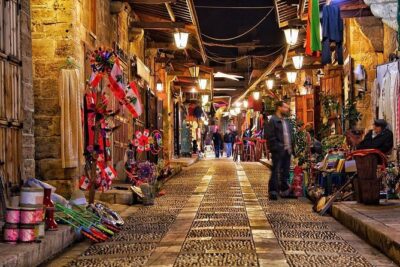
Also, this part of the tour is designed for independent wandering. That means you can stop for photos, step into small lanes, or simply slow down and watch how the old streets work in everyday life.
Byblos Castle and the archaeological site views from the keep
Byblos Castle is the next stop, with about 1 hour allocated. Admission is not included here either.
The castle is described as a restored 12th-century Crusader castle, surrounded by a 10-meter-wide dry moat. It sits just inside the archaeological site, which includes ruins of the Temple of Baalat Gebal and the Temple of the Obelisks. If you like history, architecture, or panoramic viewpoints, this is a strong payback stop.
What you’re aiming for is the perspective from the top of the castle’s foursquare keep. From up there, the description notes you can look over the ruins and also see Bronze Age dwellings below the walls toward the sea. That “you can see the layers” effect is exactly why castles still work as tourist stops even when you’ve read a few museum labels.
Inside the castle, there’s a small museum and information panels outlining the city’s story. You won’t read everything in one hour, but you can choose the panels that match your curiosity. If you’re the type who likes to understand what you’re seeing before you move on, this is a great place to do that.
Old Souk and Byblos Port: short breaks with big atmosphere
After the castle, you get smaller, easy stops that round out the coastal feel.
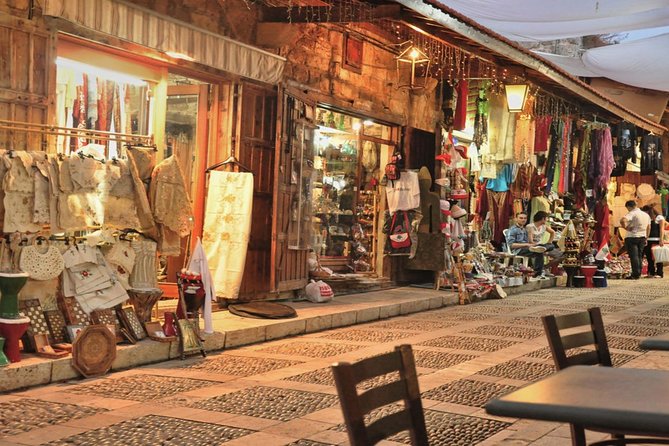
Old Souk is allotted about 10 minutes, and admission is free. This is where you can stroll cobblestone lanes for souvenirs and antiques, or just slow down to enjoy the old-town architecture. With only 10 minutes, I treat it like a quick palette cleanser. It keeps the day from feeling like back-to-back “major monuments.”
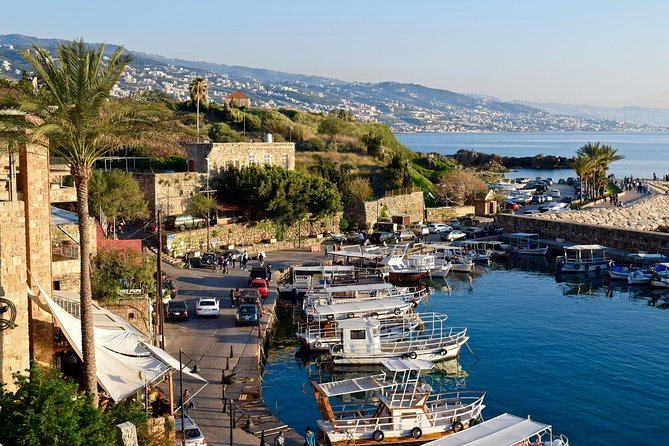
Then you finish with Byblos Port, also about 10 minutes and free. The tour description says locals believe it may be the oldest port in the world, and that around 3000 BC it was the most important timber shipping center in the eastern Mediterranean.
Ten minutes won’t make you a maritime historian, but it does give you a sense of context. A port is a different kind of history than a shrine or a cave. It’s about trade routes, movement, and the reason cities stayed alive. If you like connecting places to how people used to live, this final stop helps the day click together.
Price and value: what the $50 covers, and what to budget on top
At $50 per person, this is priced like a value-focused private outing. The included parts are the things you’d normally spend extra effort and money on: hotel pickup and drop-off, a comfortable private vehicle, air conditioning, and local support (a tour leader plus a local guide in Byblos). You also get a mobile ticket, which simplifies logistics on a day with multiple locations.
But the math changes once you factor in entrances. Based on the tour details you provided:
- Jeita Grotto admission is not included (you have 1 hour 30 minutes there).
- Téléferique Harissa admission is not included (20 minutes allocated).
- Byblos Castle admission is not included (1 hour).
- The Harissa shrine and nearby churches, Byblos time, Old Souk, and Byblos Port are listed as admission free.
So the value is strongest if you plan to visit all the paid entrances. If you skip Téléferique or decide not to go up into the castle area, you’ll cut costs, but the tour’s timing and experience are built around those stops being part of the flow.
Also, lunch is not included. You’ll likely want a casual meal break somewhere on the Byblos or Harissa side, and it’s smart to bring a snack if you’re picky about timing. On an 8-hour day, hunger can turn “fun walking” into “why am I doing this.”
Who should book this private tour, and who might not
This tour fits best if you want a structured day with freedom inside it. It’s ideal for couples, small groups, or solo travelers who don’t want to self-drive but also hate being locked into a group pace.
It’s especially good if you:
- want to see Jeita Grotto, Harissa, and Byblos in one run
- prefer exploring at your own pace at each site
- care about comfort on a long day, since the vehicle is air-conditioned
It may not be the best fit if you:
- have a tight budget and want all attractions included in one price
- hate cave environments (Jeita is a major chunk of the day)
- want lots of time for lunch or long seated breaks, since lunch is not included and time is allocated by stop
If you’re comfortable doing a “see it, absorb it, move on” rhythm, you’ll feel like you got your money’s worth.
Should you book this Jeita Grotto and Byblos day trip?
I’d book it if your priority is efficient sightseeing with minimal hassle. The door-to-door pickup, private vehicle, and independent exploration style make the day feel controlled by you, not the calendar. And the route is a smart combo: cave wonder plus panoramic Harissa plus ancient coastal streets.
I’d think twice if you dislike adding separate entrance costs. The experience is excellent, but it’s not an all-in-one ticket bundle. If you’re the type who counts every expense, plan your entrance budget early.
If you want a smooth day that helps you avoid Beirut traffic stress while still giving you room to roam, this is a strong choice.
FAQ
What time does the tour start?
The start time is 9:00 am.
How long is the tour?
The duration is about 8 hours.
Is hotel pickup and drop-off included?
Yes. Hotel pickup and drop-off are included.
Are entrance tickets included?
Not all of them. Jeita Grotto, Téléferique Harissa, and Byblos Castle list admission as not included. Harissa shrine, churches of Harissa, Byblos, Old Souk, and Byblos Port list admission as free.
Is lunch included?
No, lunch is not included.
Is this tour private?
Yes. It’s listed as a private tour, with only your group participating.
Can I cancel for a full refund?
Yes. You can cancel up to 24 hours in advance for a full refund. If you cancel less than 24 hours before the start time, the amount paid will not be refunded.
Newest Beirut write-ups
- Small Group Tours to Jeita Grotto and Byblos with tickets★ 5.0 · 3 reviews
- Small-Group Tour with Lunch to Jeita Grotto, Byblos and Harissa★ 4.5 · 3 reviews
- Small-Group Tour to Sidon, Tyre and Maghdouche with Lunch and Tickets★ 4.5 · 3 reviews
- Small-Group Tour with Lunch to Baalbek, Anjar and Ksara★ 5.0 · 3 reviews
- Beirut to Qadisha Valley, Bcharri & Cedar: Daily Tours with Lunch★ 4.5 · 3 reviews
- Beirut to Sidon, Tyre and Maghdouché: Daily Tours with Lunch★ 5.0 · 3 reviews
- Exploring Beirut’s Past: A Private Guided Historical Tour★ 5.0 · 3 reviews
- Private Tour: Tyre, Sidon and Maghdouche Day Trip from Beirut★ 4.5 · 3 reviews
Jeita Grotto Tours, compared.
Guided Small-Group Tour to Jeita, Harissa, Byblos with Lunch
Read our review →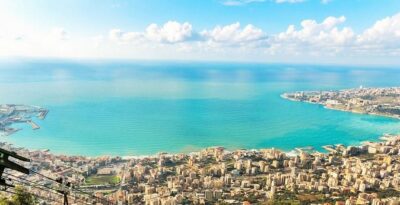
Jeita Grotto,Harissa&Byblos Full-Day PRIVATE-CAR Trip from Beirut
Read our review →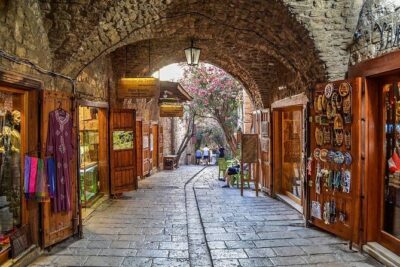
Byblos, Jeita Grotto & Harissa Day Trip -With Lunch (4G on Board)
Read our review →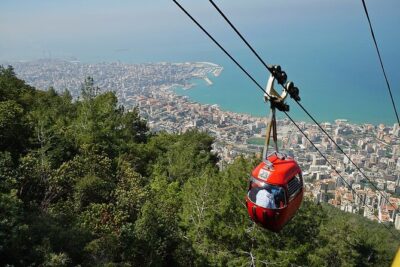
Semi-Private Tour to Jeita Grotto, Harissa & Byblos with Lunch
Read our review →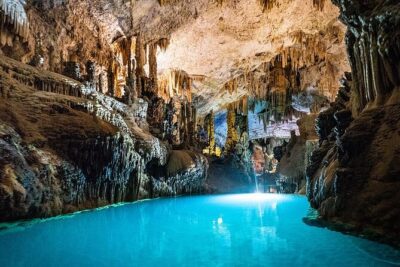
Small Group Tour to Jeita Grotto, Harisa & Byblos with Hotel pickup
Read our review →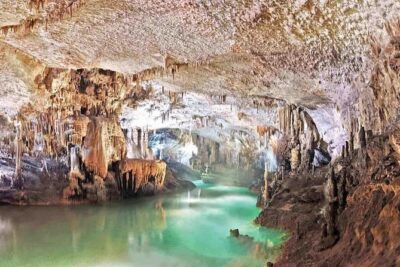
Private Guided Tour to Jeita Grotto through Harissa and Byblos
Read our review →
New Guided Semi-Private Tour to Jeita Grotto, Harissa & Byblos
Read our review →Browse the lists this tour appears in