
Reviewed · BYBLOS TOURS
Byblos and Tripoli Tour
A full-day private tour linking Tripoli and Byblos is interesting because it lets you compare two sides of Lebanon’s coast in one tight, efficient day. You get time in Tripoli’s souks and craft-filled khans, plus a later shift to Byblos, where a modern town wraps around excavated ruins and Crusader-era landmarks.
I love that this trip is built for comfort, not just sightseeing. The air-conditioned vehicle, hotel door-to-door pickup, and added perks like onboard WiFi and a restroom make a 9-hour day feel manageable. And the guide experience matters here too, since reviews highlight Fadi Eid (sometimes written as Fadil) for being friendly, flexible, and genuinely knowledgeable.
One possible drawback to plan around is the pacing. With about 2 hours in Tripoli and 4 hours in Byblos, you’ll see the big highlights, but you might not have as much time as you want for slow shopping or long, museum-style stops.
Key takeaways before you go
- Private, door-to-door pickup in Beirut saves you time and stress
- Air-conditioned comfort plus WiFi and a restroom on board helps on a long day
- Tripoli’s souks and khans focus on traditional trades like perfumers and soap-makers
- Byblos mixes modern life with ancient remains, including a Crusader castle and church area
- Guides like Fadi Eid/Fadil get praised for knowledge and flexibility
- Main stop admissions are listed as free, so your money goes mostly to transport and time
Why a Byblos and Tripoli Day Works So Well From Beirut
If you’re basing yourself in Beirut, a single-day plan makes a lot of sense. Two separate trips to Tripoli and Byblos would eat up extra transit time and extra days off your schedule. This one-day format is efficient, and it also creates a nice contrast: Tripoli tends to feel more old-school and trade-focused, while Byblos blends everyday town life with visible ancient layers.
What I find especially useful is that the route is built around core walking areas. In Tripoli, you’re not just passing by, you’re spending time in the souks and khans, where commerce and crafts have stayed in the same general rhythm for generations. In Byblos, you’re able to move between the harbor area and the old market zone, then connect that to nearby excavated remains and prominent historical structures.
You also avoid the common problem of “half a day in each place.” Here, the time split is clear: Tripoli first, then Byblos later. That helps you mentally switch gears and keeps you from feeling like you’re rushing through everything with no real flow.
And yes, the private setup matters. You’re not trying to keep up with a crowd, and the guide can adjust the pace to your group. Reviews specifically praise flexibility and customization, which is exactly what you want when you’re shopping, photographing, and checking out side lanes.
Working out your Beirut base? These pair well:
- Guided Small-Group Tour to Baalbek, Anjar and Ksara with Lunch
★ 5.0 · 511 reviews - Guided Small-Group Tour to Jeita, Harissa, Byblos with Lunch
★ 5.0 · 361 reviews - Paragliding Trip Over Lebanon – Jounieh Bay
★ 5.0 · 257 reviews
Getting Comfortable: Pickup, Vehicle Comfort, and a 9-Hour Rhythm
This is a private tour, so you start and finish with your group. Round-trip hotel pickup and drop-off from Beirut is included, which is a real value because you do not have to figure out transport for two long legs plus the daily start-stop logistics.
The vehicle setup is also practical. You’re riding in an air-conditioned vehicle, and that’s not a small detail when you’re walking in coastal towns and trading time for shade. There’s a restroom on board, and WiFi is available during the drive. Even if you do not plan to use WiFi much, it helps you handle photos, maps, and messaging without burning battery and data right away.
The tour runs for about 9 hours. In practice, that means you’ll be in motion for a good chunk of the day, then you’ll do two guided walking blocks. The timing is designed around two stop lengths: roughly 2 hours in Tripoli and roughly 4 hours in Byblos. Plan your energy accordingly. You’ll want comfortable walking shoes, and you’ll likely appreciate a light layer, especially in coastal areas where the air can change.
One more small but important point: the tour uses a mobile ticket. That cuts down on waiting and paper handling. If you like to travel light and keep everything on your phone, this fits your style.
Tripoli First: Souks, Khans, and the Feel of 14th-Century Trades
Starting in Tripoli is a smart choice because the city’s old core is very “walkable” once you’re inside it. You’re looking at a cluster of historic buildings, with many dating back to around the 14th century, and a long-established system where trades happened in the same commercial zones for centuries.
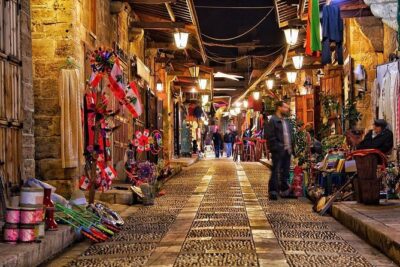
The standout here is the mix of souks and khans. In this kind of layout, you’re not just seeing market stalls. You’re seeing spaces that historically supported craftspeople and workshops. According to the tour description, the trades include tailors, jewelers, perfumers, tanners, and soap-makers. That matters because it changes how you experience the city. Instead of only browsing goods, you’re watching a living model of commerce and trade.
This is also where Tripoli can surprise you visually. One review specifically praised Tripoli’s El Mina area, a seaside neighborhood with a small-town feel, colorful houses, and quaint back-alleys. That kind of atmosphere is exactly what makes Tripoli worth more than a quick stop for photos.
The pacing in Tripoli is about 2 hours, so you should treat it like a focused sampling session. You’ll have enough time to get your bearings, explore the main lanes, and choose what you want to linger over. If you’re the type who loves to browse slowly, pick one or two targets, like a perfumery stop or a quick look through artisan stalls, then move on before the day pulls you onward.
There is also a practical “tip” angle here. Souk areas can be confusing at first glance. When your guide is strong, you get the benefit of direction fast, and you spend less time circling the same streets. Reviews mention Fadi Eid/Fadil as flexible and accommodating, which is a plus if you want to customize your walking routes inside the old town.
What to Do With Your Tripoli Time: Shopping, Views, and El Mina Atmosphere
Tripoli rewards curiosity. Even in a short window, you can make the most of it if you keep your expectations realistic. You’re not trying to “cover everything.” You’re trying to get the feel of the city through key walking areas and a couple of standout moments.
One past guest highlighted El Mina and the Corniche, calling it a must for the relaxed seaside vibe and old, beautiful buildings. That tells me two things. First, Tripoli is not only about indoor-market lanes. Second, the waterfront zones can provide a breather when the souks start to feel visually dense.
Another review mentioned the castle and the chance for a city view. While the main tour description focuses on souks and khans, Tripoli often pairs well with a short viewpoint stop. If your guide offers any extra time around elevated spots or a quick look outward, it’s worth saying yes. Views help you “place” the city mentally, so the rest of your sightseeing clicks faster.
For shopping, the trade lineup helps you decide what to focus on. If you’re interested in gifts, perfumers and soap-makers can be great choices because the products are small, practical, and often connected to local traditions. Tailors and jewelers also fit the “souvenirs with meaning” approach, though in a short timeframe you may want to browse rather than commit to big purchases unless you feel confident about quality and pricing.
And keep the tone light in your head. Souks are lively places. Even when you’re only walking, you’ll likely be greeted, asked questions, and pointed toward items. If you treat it as conversation plus browsing, you’ll enjoy the experience more than if you treat it like a checklist.
A different spoke from Beirut:
- Jeita Grotto,Harissa&Byblos Full-Day PRIVATE-CAR Trip from Beirut
★ 5.0 · 222 reviews - First Paragliding Club in Lebanon – Since 1992
★ 5.0 · 193 reviews - Anjar, Baalbek & Ksara Day Trip – With Lunch (4G on Board)
★ 4.5 · 181 reviews - Jeita Grotto – Harissa – Byblos Trip
★ 5.0 · 169 reviews
Byblos Later: Modern Town Life Meets Ancient Remains
Switching to Byblos after Tripoli is where the day balances out. Tripoli gives you a trade-focused old core. Byblos adds layers, starting with a thriving modern town and then revealing its ancient heart through excavated remains and major historical structures.
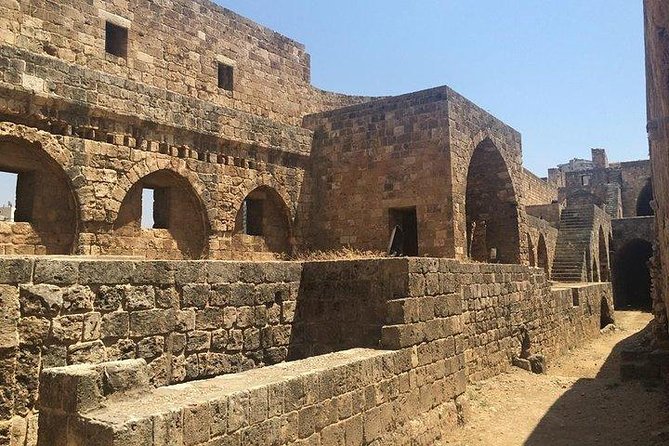
In Byblos, one of the most useful anchors is the old harbor. The description notes that the harbor is sheltered by a rocky headland. That’s exactly the kind of geographic detail that helps you understand the town’s layout. You’re not just wandering randomly. You can orient yourself around the harbor edge and then branch out toward the excavated remains and old market area.
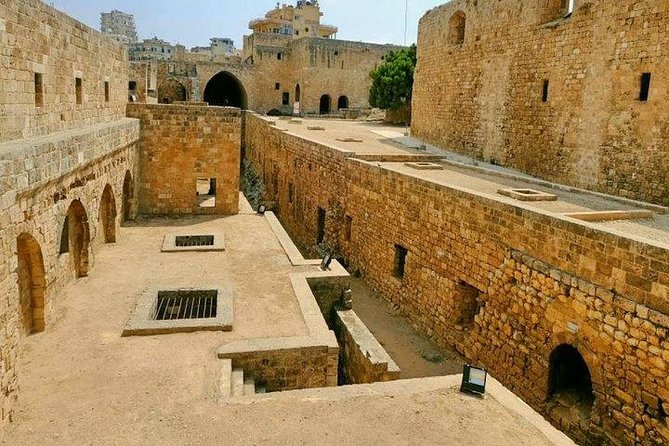
The highlights near this part of the day include the excavated remains of the ancient city, plus the Crusader castle and church area. These are the landmarks that help Byblos feel more than just a scenic stroll. When you see structures tied to those eras, it adds context to the town’s older street network and makes the walking feel connected rather than scattered.
Then there’s the old market area, which is where the town’s modern and traditional sides meet in a way that feels natural. One key difference from Tripoli is that Byblos can feel more like you’re shopping in a place that also functions as a current-day town, not only as a historic market zone. That means breaks can be easier to find, and it can be more comfortable to slow down if you want to.
You get about 4 hours in Byblos. That is a healthy amount of time for a mix of walking, photos, and a couple of stops. If you love history sites but also want time to enjoy the streets, Byblos is a strong match.
How the Byblos Sites Feel on Foot (Without Trying to Race Through Them)
When you only have one day, the best strategy is simple: choose a route that loops, so you’re not backtracking. In Byblos, that usually means starting near the harbor and then working your way toward the ancient remains and Crusader-era structures, then finishing around the market area.
The Crusader castle and church area tends to be the kind of spot where you want 15 to 30 minutes to take it in. Even if you do not read every sign, the shapes and positioning help you understand why the site is famous. You can also use that time to rest your feet a bit, then continue through the old market lanes when you feel ready again.
For the excavated remains, you’ll likely appreciate walking slowly enough to notice the layout. Excavation sites can feel flat if you rush. Give yourself time to connect the pieces, so you’re not only collecting photos but actually learning how the area was organized.
And because this is a private tour, you’re not forced into a rigid group pace. Reviews include positive comments about guides who were friendly and competent, and even one Italian-language review described a day that felt enjoyable and conversational. If you have questions, ask them. If you want a moment to shop, tell the guide. This kind of responsive pacing is part of what you’re paying for.
Price and Logistics: Is $150 Per Person Good Value?
At $150 per person, the value depends on what you would otherwise pay to accomplish the same goals. This price covers a private day that includes round-trip hotel pickup and drop-off in Beirut, air-conditioned transport, and practical onboard extras like a restroom and WiFi. It also includes free admission for the key stops as listed for Tripoli and Byblos.
If you tried to do this with taxis or separate rides on your own, you’d likely spend more time managing logistics than sightseeing. Plus, you would not get a structured itinerary with a guide who can help you interpret what you’re seeing and how to move through busy areas efficiently.
The other cost-related win is that you’re covering two destinations. You’re not paying for one town and then losing a day. You’re getting a full-day comparison: Tripoli’s souks and khans, then Byblos’s ancient remains and prominent landmarks.
One “watch out” is how the time is divided. Because it’s about highlights, not deep, multi-hour museum-style immersion, the day may not satisfy you if you want to spend long hours in a single site. But for most people doing a first visit, this structure is exactly what makes it worth the money.
Also note that there is no mention of included meals, so you might budget for lunch and drinks in town. The tour also notes that the airport drop-off is extra, listed as $20. That’s useful to know if your itinerary includes a flight right after your tour.
Who Should Book This Tour (And Who Might Skip It)
I think this tour is ideal if you want to see both towns without turning your day into a travel project. It’s especially suited to:
- First-time visitors to Lebanon who want a well-structured coastal day
- People who prefer private pacing over joining a large group
- Travelers who value comfort for long drives, especially with air-conditioning, onboard WiFi, and a restroom
- Buyers of small, gift-sized souvenirs, since souk crafts give you plenty of browsing targets
It may be less ideal if:
- You plan to do heavy shopping or want lots of time in only one town
- You want a slow, reading-heavy history day with extended site time
- You’re the kind of traveler who hates fixed time blocks and prefers to wander without any schedule
Given the praise in reviews for customization and guide friendliness, I’d also say this tour is a good fit if you’re the type who asks for tweaks. If you want a different pace inside the souks, or you want to prioritize a particular Byblos area, that flexibility seems to be part of the experience.
Should You Book the Byblos and Tripoli Private Tour?
If you want the most efficient Lebanon coastal day from Beirut, I’d strongly consider booking this Byblos and Tripoli private tour. The big win is the combination of two high-impact areas, with comfort and practical onboard perks that make a long day easier to handle.
Book it if you like guided walking through traditional market streets, plus the payoff of major historical landmarks in Byblos. The reviews also point to a consistently strong guide experience, including Fadi Eid/Fadil, with flexibility and warmth showing up more than once.
Skip it if you already know you want more time in one place than you’ll get here. In a 9-hour day with set stop lengths, you can’t stretch the experience into something slower. But if you’re aiming for a memorable first taste of both cities, this is a solid, well-timed plan.
FAQ
How long is the Byblos and Tripoli tour?
The tour lasts about 9 hours.
What does the tour cost?
It costs $150.00 per person.
Is hotel pickup and drop-off included in Beirut?
Yes. The tour includes round-trip hotel pickup and drop-off from Beirut.
Is the tour private?
Yes. It is a private tour, and only your group participates.
Are entrance tickets included for the main stops?
The itinerary lists admissions for both Tripoli and Byblos as ticket free.
What’s included in the vehicle during the day?
The tour includes an air-conditioned vehicle, WiFi on board, and a restroom on board.
What is the cancellation policy?
You can cancel for a full refund up to 24 hours before the experience starts. If you cancel less than 24 hours in advance, you will not receive a refund.
Newest Beirut write-ups
- Small Group Tours to Jeita Grotto and Byblos with tickets★ 5.0 · 3 reviews
- Small-Group Tour with Lunch to Jeita Grotto, Byblos and Harissa★ 4.5 · 3 reviews
- Small-Group Tour to Sidon, Tyre and Maghdouche with Lunch and Tickets★ 4.5 · 3 reviews
- Small-Group Tour with Lunch to Baalbek, Anjar and Ksara★ 5.0 · 3 reviews
- Beirut to Qadisha Valley, Bcharri & Cedar: Daily Tours with Lunch★ 4.5 · 3 reviews
- Beirut to Sidon, Tyre and Maghdouché: Daily Tours with Lunch★ 5.0 · 3 reviews
- Private Tour: Tyre, Sidon and Maghdouche Day Trip from Beirut★ 4.5 · 3 reviews
- Exploring Beirut’s Past: A Private Guided Historical Tour★ 5.0 · 3 reviews
Byblos Tours, compared.
Guided Small-Group Tour to Jeita, Harissa, Byblos with Lunch
Read our review →
Jeita Grotto,Harissa&Byblos Full-Day PRIVATE-CAR Trip from Beirut
Read our review →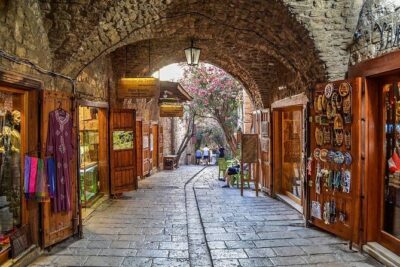
Byblos, Jeita Grotto & Harissa Day Trip -With Lunch (4G on Board)
Read our review →
Semi-Private Tour to Jeita Grotto, Harissa & Byblos with Lunch
Read our review →
Small Group Tour to Jeita Grotto, Harisa & Byblos with Hotel pickup
Read our review →
Private Guided Tour to Jeita Grotto through Harissa and Byblos
Read our review →
New Guided Semi-Private Tour to Jeita Grotto, Harissa & Byblos
Read our review →Browse the lists this tour appears in