
Reviewed · BEIRUT TOURS
BEYOND BEIRUT
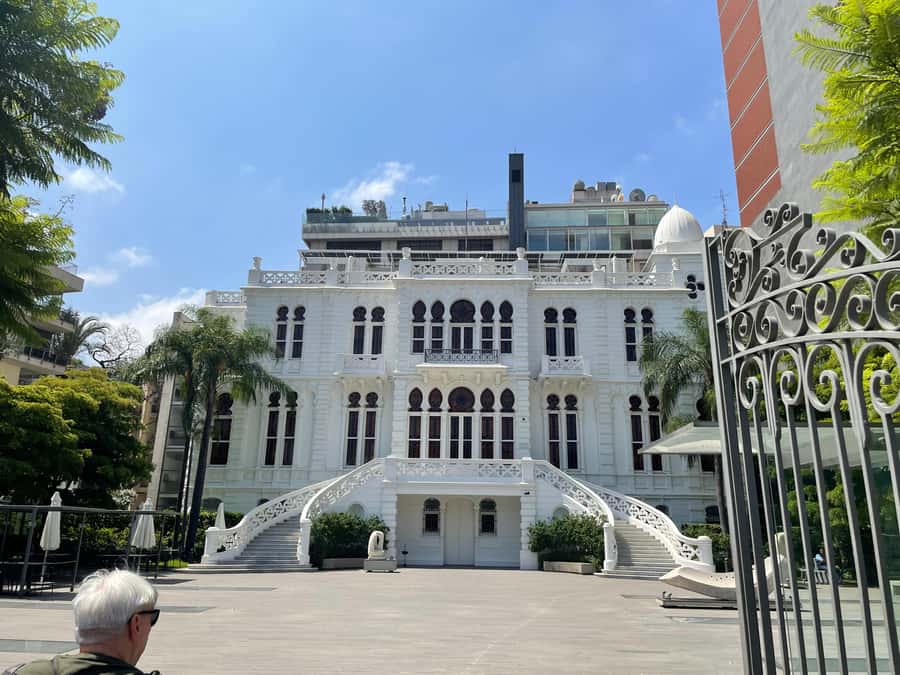
What makes Beyond Beirut interesting is that it refuses to be a checklist. It’s a walk built around how the city feels at street level, with stops that lean eccentric, overlooked, and unfiltered. You start with pickup in Beirut or Beirut Souks, then move at a human pace through alleys and in-between spaces.
I love the way this kind of guiding links history and politics to what you are actually seeing. I also like the practical side, included entrances and a day plan that gives you short breaks and time to pause, not just hurry along.
One consideration: it is a walking tour, so you need comfortable shoes and stamina for uneven sidewalks and constant motion. It also is not suitable for wheelchair users, and if weather turns, the experience still stays street-based, so plan accordingly.
Key takeaways
- Private group for up to 4 means you can shape the pace and ask real questions.
- A guide who connects landmarks to today’s Lebanon, not just dates and names.
- Not just big sights, you may also hit quieter side corners, like small churches and Roman details.
- All entrances are included, so you spend time looking instead of managing tickets.
- Languages available: French, English, Portuguese, and Arabic.
- Bring water and a charged smartphone, since you will want to stay hydrated and take quick notes and photos.
Beyond Beirut’s Usual Route: Why This Walk Feels Different
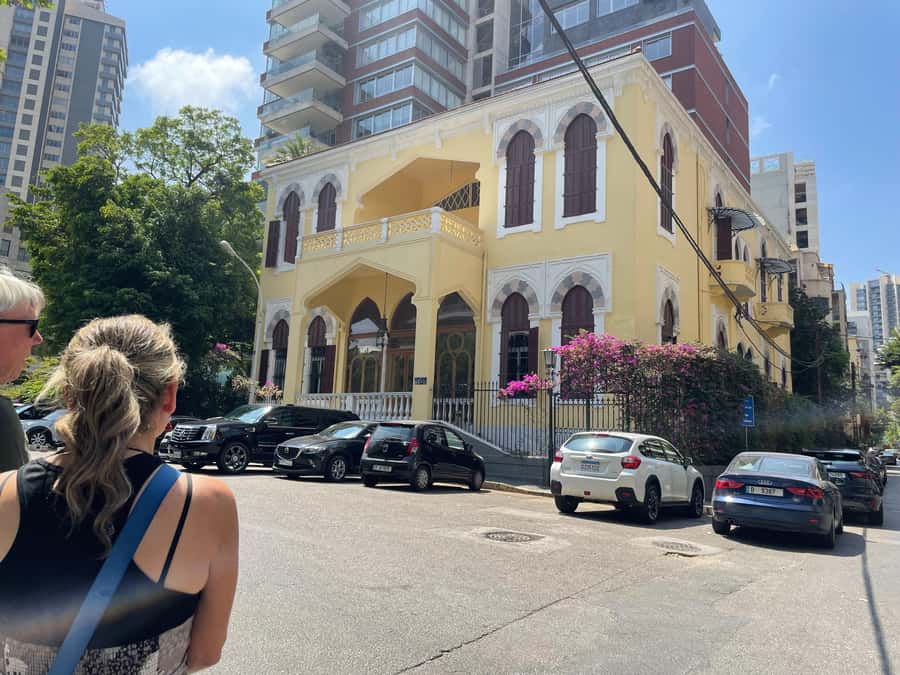
Beirut has a way of making you pay attention. Not with polished museum vibes, but with juxtapositions you cannot plan. One moment you see older stone and carved details, the next you are staring at modern concrete and sudden color from street art. This tour leans into that reality.
The point is simple: you get a guided day that goes past the standard postcard story. Instead of treating the city like a theme park, you walk like a local would, noticing what most people miss when they only chase the most famous spots.
I like that the experience is honest about its tone. It is not trying to sanitize the city into something safe and generic. That approach can make the day feel more meaningful, especially when your guide ties street corners to Lebanon’s past and present, including the political context behind what you see.
Working out your Beirut base? These pair well:
- Guided Small-Group Tour to Baalbek, Anjar and Ksara with Lunch
★ 5.0 · 511 reviews - Guided Small-Group Tour to Jeita, Harissa, Byblos with Lunch
★ 5.0 · 361 reviews - Paragliding Trip Over Lebanon – Jounieh Bay
★ 5.0 · 257 reviews
Pickup in Beirut or the Souks, Then a 6-Hour Street-Level Loop
You have two pickup options: Beirut or Beirut Souks. Either way, you should be ready at the hotel lobby or accommodation entrance for your scheduled pickup time.
This is a walking tour, and the time is built for motion. You should plan your energy like a half-day hike through city neighborhoods, not like a slow stroll with occasional stops. Wear comfortable shoes. You will thank yourself before your feet start negotiating with gravity.
The tour includes a break and a photo stop. That sounds small, but in practice it matters. Cities like Beirut move fast, and a short pause gives you a chance to reset, check maps, and decide where you want to spend extra attention.
Stops You Can Expect: Mosque Moments, Roman Remains, Downtown Streets, and Raouche Views
Even though the tour is flexible and shaped by the guide’s flow, the most memorable stops tend to cluster around major anchors and then branch into the offbeat in-between.
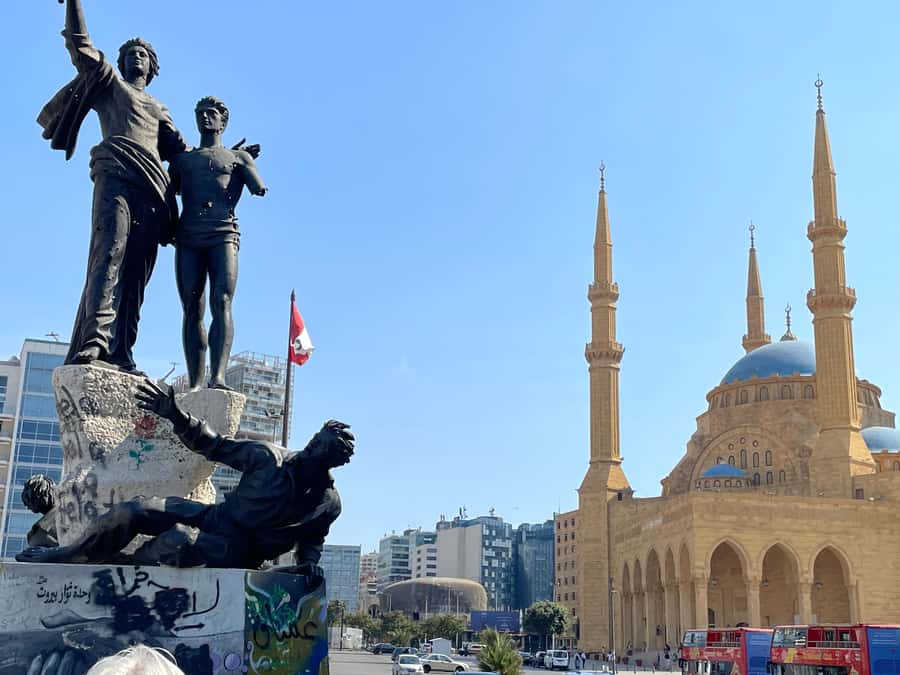
You should expect icons like Mohammad Al-Amin Mosque. It is a visual anchor, and a guide can explain why it matters, not just how it looks. From there, the day can shift into quieter layers of the city, including Roman-era references. One highlight that comes up often is the ancient Roman Baths. Whether you stand in a formal viewpoint or see fragments and context around them, it helps you understand how old Beirut sits under newer streets.
Downtown often features too. Think street-level context, not just sweeping views. You will walk through areas that show the city’s mixing of storefront life, older architecture, and modern structures squeezed into the same frame.
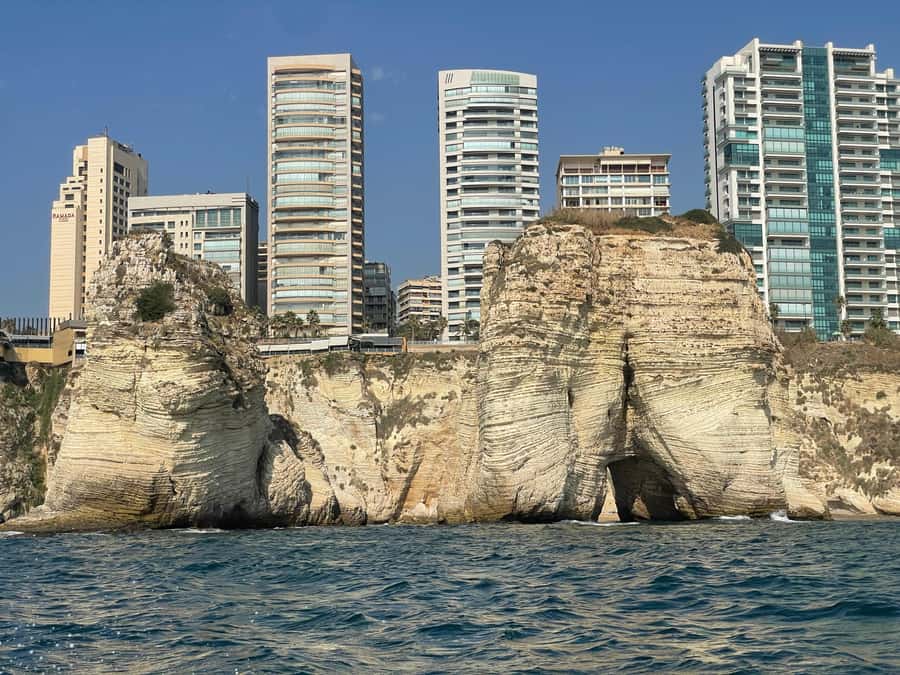
And then there is Raouche, with views that do not require special planning. Many tours include a stop at Pigeon Rocks in Raouche. Even if you have already seen photos, the perspective changes when you stand there in the sea air and the city noise fades into background hum.
How the Guiding Works: From Buildings to Real Stories (and Real Questions)
This is not a tour where you listen quietly and then move on. It is more like walking with someone who knows what questions to ask you, and what details to point out so you can see Beirut’s logic.
Guides speak multiple languages, including French, English, Portuguese, and Arabic. If you want deeper context, this matters. The better the language match, the easier it is to talk through tricky topics like Lebanon’s modern history and the impact of conflict on everyday life.
One guide name that shows up strongly is Joanna. She is praised for connecting the dots between landmarks and political background, and for giving context that makes each stop feel less like a random highlight and more like part of a bigger picture.
That same guiding style often shows up in the smaller finds. You might get a look at Roman mosaic details, small churches tucked into corners, or sprayed wall pictures you would never notice alone. These are the kinds of moments that transform a basic walking tour into something you actually remember.
A different spoke from Beirut:
- Jeita Grotto,Harissa&Byblos Full-Day PRIVATE-CAR Trip from Beirut
★ 5.0 · 222 reviews - First Paragliding Club in Lebanon – Since 1992
★ 5.0 · 193 reviews - Anjar, Baalbek & Ksara Day Trip – With Lunch (4G on Board)
★ 4.5 · 181 reviews - Jeita Grotto – Harissa – Byblos Trip
★ 5.0 · 169 reviews
Walking Beirut’s Contrasts: Ruins, Reconstructions, Traditional Homes, and Street Art
Beirut’s history is not locked behind glass. It is visible in the way older ruins sit near newer development, and in the mix of traditional Lebanese architecture with contemporary street art.
A major value of this tour is that it treats those contrasts as meaning, not decoration. When you see civil buildings with old remains, you can understand how the city rebuilds while still carrying evidence of earlier eras. And when you pass through reconstructed zones, you can notice how design choices reflect changing needs.
You will also likely notice the texture of everyday Lebanon: the colors of storefronts, the architecture of residential buildings, and the way cafes and restaurants operate as part of local rhythm. One day can include both formal monuments and small places where people just live their routine. That balance is where the tour earns its name.
Just keep your expectations grounded. This is not a polished gallery walk. Some parts of the route are likely raw, worn, and slightly chaotic. If that makes you uneasy, this tour will probably feel too real. If you like the real version, you will enjoy how the city tells its own story through what survives.
Photo Stops and Break Time: How to Stay Comfortable During Constant Movement
The tour includes a break time and a photo stop, which helps you avoid the most common walking-tour problem, rushing past moments you wanted to photograph.
Still, your comfort is on you. Bring a hat if you’re visiting in sunny months. Bring water, especially because you are walking and stopping on foot. A camera helps, but even a smartphone with a charged battery is enough for most people since you will want to capture quick angles and street details.
Also, plan for walking surfaces. This is a city walk, so expect uneven sidewalks and narrow paths at times. The tour is not suitable for wheelchair users, and that restriction is not just paperwork. It is about the ground truth of where you need to step and how tight some passages can be.
If you are traveling with kids, this can still work, but only if the kids are comfortable walking for the full duration. Otherwise, you may spend the day managing stops rather than enjoying the story.
Entrance Costs Included: Why That Changes the Value
One of the clean advantages here is that all entrances within the tour are included. That matters more than it sounds. In many cities, you spend time handling tickets, waiting, and figuring out how much the day will cost after it starts.
With entrances included, you can budget one clear number and focus on what you came for: the guided route and the context. It makes the tour feel smoother, especially for private groups where you want fewer surprises.
Price and Value: $110 Per Group Up to 4, Not Per Person
The price is $110 per group up to 4, for a duration of 6 hours. That pricing style changes how you should think about value.
If you travel as two people, the effective cost is higher per person. If you travel as four, it can drop to a bargain level for a private guide. Either way, you are paying for a guide, included entrances, and a route built around a specific style of storytelling rather than a mass-group script.
So the best value is simple:
- If you are traveling with friends or family, this becomes an easy yes.
- If you are solo or just two, it still can be worth it if you care about context and want a guide who will tailor the pace to your questions.
It’s also a smart choice if you want something more meaningful than a standard highlights tour. When you pay for a private walk, you’re buying time and attention, not just landmarks.
Food and Drinks: Plan Around Lunch and Small Stops
Food and beverage are not included. That’s normal for walking tours, but you should treat it as part of your planning.
Bring food and drinks if you want flexibility, and at least bring water even if you plan to buy later. Cash is also listed as something you should bring, which fits the reality that you might want to grab a snack or a drink during the route.
In past days, the tour has included local food stops and even sweet moments like traditional ice cream. If your guide spots an opening for lunch, you will likely have good options recommended. But you should still expect to pay for what you eat.
Language Options: Getting the Right Level of Detail
The guide can work in French, English, Portuguese, and Arabic. That matters because this kind of tour depends on conversation and explanation.
If you want political and historical context, it helps when you can understand the nuances without translating in your head. If you’re confident in a second language, ask what options are available and how the guide will handle deeper questions.
This is where private groups shine. You can push past surface explanations and ask the exact things you want to understand, whether it’s architecture, recent conflict impacts, or how daily life fits into the larger story.
Who This Tour Fits Best, and Who Should Skip It
This experience is best for you if:
- You like walking tours, but want more than a script.
- You enjoy offbeat corners and small details, not only the headline sites.
- You want context about Lebanon that connects past events to what you see now.
- You prefer a private group so you can ask questions at your own pace.
It is less suitable if:
- You need wheelchair access. The tour is not suitable for wheelchair users.
- You want a sanitized, low-stimulation version of Beirut.
- You have limited mobility or hate uneven sidewalks.
Also, if you’re the type who gets overwhelmed by street-level intensity, consider how you react to raw urban scenes. The tour’s tone is part of its appeal, and it will not try to smooth that edge.
Quick Tips Before You Go
Here’s what I recommend you do so the day feels easy instead of frantic:
- Wear comfortable shoes you can walk in for hours.
- Pack water, and bring extra if it’s warm.
- Bring a hat if you get sun easily.
- Bring cash for small purchases.
- Keep a charged smartphone for photos and navigation.
- Have a light plan for food, since food and beverage are not included.
If you are sensitive to weather changes, bring what helps you stay comfortable. One guide-run day may start out fine and then shift. The tour stays out in the streets, so your comfort plan matters.
Should You Book Beyond Beirut?
If you want Beirut as more than a photo album, book this tour. You are paying for a guided walk that explains how the city’s layers connect, and you’re doing it in a private group format that keeps the day flexible.
I’d especially recommend it if you:
- care about understanding the place, not just seeing it,
- like detailed context around landmarks such as Mohammad Al-Amin Mosque and the Roman Baths,
- want a guide who can point out smaller items like Roman mosaic fragments, small churches, and street art that you would miss alone.
Skip it if you have mobility limitations, want a totally “safe” and polished version of Beirut, or dislike long walking sessions with nonstop street scenes.
If your schedule allows, this is one of those days that can reshape how you see the city, because it teaches you to look at Beirut from street height, not brochure height.
FAQ
How long is the tour?
The tour lasts 6 hours.
What are the pickup options?
Pickup is available in Beirut or at Beirut Souks. You wait in the hotel lobby or at your accommodation for the scheduled pickup time.
Is this tour private?
Yes, it is a private group tour.
What languages are available for the guide?
The live guide can speak French, English, Portuguese, and Arabic.
Are entrances included?
Yes, all entrances within the tour are included.
Is food or drinks included?
No. Food and beverage are not included, so you’ll want to bring water and plan for meals or snacks separately.
Is the tour wheelchair accessible?
No, the tour is not suitable for wheelchair users.
Newest Beirut write-ups
- Small Group Tours to Jeita Grotto and Byblos with tickets★ 5.0 · 3 reviews
- Small-Group Tour with Lunch to Jeita Grotto, Byblos and Harissa★ 4.5 · 3 reviews
- Small-Group Tour to Sidon, Tyre and Maghdouche with Lunch and Tickets★ 4.5 · 3 reviews
- Small-Group Tour with Lunch to Baalbek, Anjar and Ksara★ 5.0 · 3 reviews
- Beirut to Qadisha Valley, Bcharri & Cedar: Daily Tours with Lunch★ 4.5 · 3 reviews
- Beirut to Sidon, Tyre and Maghdouché: Daily Tours with Lunch★ 5.0 · 3 reviews
- Exploring Beirut’s Past: A Private Guided Historical Tour★ 5.0 · 3 reviews
- Private Tour: Tyre, Sidon and Maghdouche Day Trip from Beirut★ 4.5 · 3 reviews
Beirut Tours, compared.

Guided Small-Group Tour to Baalbek, Anjar and Ksara with Lunch
Read our review →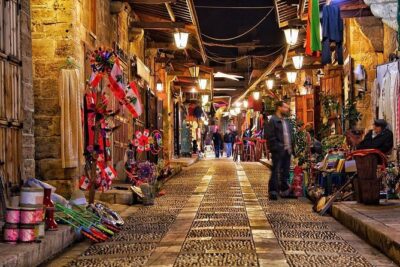
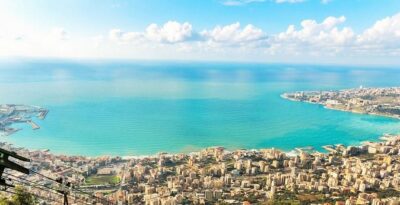
Guided Small-Group Tour to Jeita, Harissa, Byblos with Lunch
Read our review →
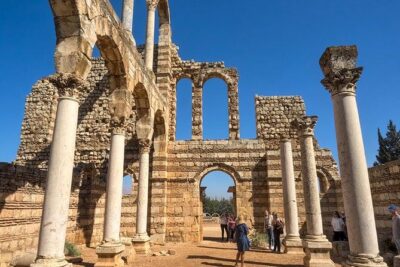
Jeita Grotto,Harissa&Byblos Full-Day PRIVATE-CAR Trip from Beirut
Read our review →
Anjar, Baalbek & Ksara Day Trip – With Lunch (4G on Board)
Read our review →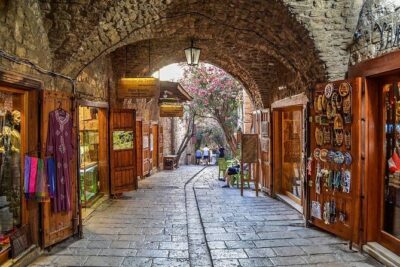
Byblos, Jeita Grotto & Harissa Day Trip -With Lunch (4G on Board)
Read our review →Browse the lists this tour appears in